
The $10 Billion Lawsuit: When Legal Weapons Threaten Press Freedom
Published
- 3 min read
The Facts of the Case
Former President Donald Trump has initiated a staggering $10 billion lawsuit against the British Broadcasting Corporation (BBC), alleging defamation and deceptive trade practices. The legal action, filed in a Florida court, specifically targets the BBC’s documentary “Trump: A Second Chance?” which aired days before the 2024 U.S. presidential election. The lawsuit claims the broadcaster intentionally misrepresented Trump’s January 6, 2021 speech by splicing together quotes from different sections to create the appearance of a continuous statement where Trump urged supporters to “fight like hell.”
The 33-page legal document accuses the BBC of broadcasting a “false, defamatory, deceptive, disparaging, inflammatory, and malicious depiction of President Trump,” characterizing it as “a brazen attempt to interfere in and influence” the upcoming election. The suit seeks $5 billion in damages for defamation and another $5 billion for unfair trade practices, arguing that Americans can access the content through streaming platforms like BritBox or VPN services.
Context and Background
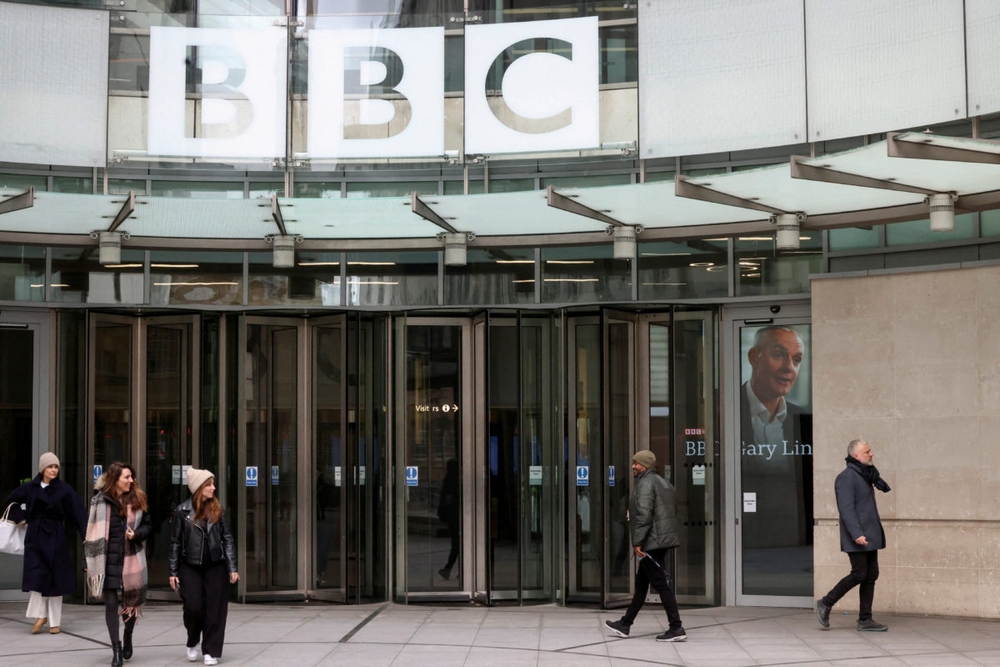
The BBC, a 103-year-old institution funded through mandatory license fees, had already apologized last month for what its chairman Samir Shah called an “error of judgment” in the editing process. This admission triggered resignations from the BBC’s top executive and head of news. However, the publicly funded broadcaster rejected claims it had defamed Trump, maintaining its editorial standards while acknowledging the mistake.
The speech in question occurred before Trump supporters stormed the U.S. Capitol while Congress was certifying President Joe Biden’s electoral victory. Trump has consistently falsely alleged that the 2020 election was stolen from him. The documentary edited three quotes from two sections of the 2021 speech, delivered nearly an hour apart, into what appeared to be one continuous quote. Among the omitted sections was Trump’s statement urging supporters to demonstrate “peacefully.”
Legal experts have raised questions about the viability of this case in U.S. courts, particularly since the documentary wasn’t broadcast in America, and deadlines for bringing the case in British courts expired over a year ago. The BBC has stated it will defend the case while declining further comment on ongoing legal proceedings.
The Dangerous Precedent of Weaponized Litigation
This lawsuit represents more than just another legal battle involving a former president—it signals a dangerous escalation in the weaponization of litigation against media organizations. The $10 billion figure alone should raise alarm bells for anyone who values press freedom and democratic discourse. This amount isn’t just excessive; it’s punitive to the point of being potentially destructive to one of the world’s most respected public broadcasters.
When public figures use the legal system as a cudgel against media organizations, they threaten the very foundation of accountable journalism. The scale of financial damages sought here appears designed not merely to seek redress but to intimidate and potentially bankrupt media entities that dare to criticize powerful figures. This creates a chilling effect that could silence legitimate journalism and investigative reporting.
The Principle of Proportional Response
While the BBC acknowledged an editing error and took corrective action—including accepting resignations from senior leadership—Trump’s response represents a disproportionate escalation that threatens the principles of free press. In a healthy democracy, media organizations must be able to make mistakes, acknowledge them, and correct them without facing existential financial threats.
The BBC’s charter requires impartiality, and the organization faces intense scrutiny from across the political spectrum. Its willingness to apologize and accept responsibility for the editing error demonstrates accountability mechanisms working as they should. The massive lawsuit essentially punishes the organization for having accountability processes in place.
The Broader Implications for Democratic Discourse
This case must be understood within the broader context of increasing attacks on media organizations worldwide. When former leaders use legal mechanisms to punish media criticism, they establish dangerous precedents that authoritarian regimes eagerly emulate. The health of democracy depends on robust, independent journalism that can hold power to account without fear of retaliatory financial ruin.
The timing of this lawsuit—filed as the 2024 election approaches—raises additional concerns about its potential use as a political tool rather than a genuine seek for justice. The allegation that the BBC was attempting to “interfere in and influence” the election seems particularly ironic given that the lawsuit itself may have political implications and consequences.
The Constitutional Dimensions
While the First Amendment protects American media organizations from certain types of legal action, this case involves a foreign broadcaster and complex jurisdictional questions. However, the principles underlying free press protections should concern all who value democratic discourse. The attempt to use U.S. courts to target foreign media organizations sets a concerning precedent that could invite reciprocal actions against American media operating abroad.
Legal experts rightly question whether U.S. courts have jurisdiction over content produced and broadcast primarily overseas. The argument that Americans can access the content through streaming services or VPNs creates a slippery slope that could subject virtually all international media to U.S. legal action based on content that wasn’t intended for American audiences.
The Human Cost of Legal Intimidation
Beyond the constitutional principles at stake, we must consider the human impact of such massive lawsuits. The $10 billion figure isn’t just a number—it represents a threat to the livelihoods of thousands of BBC employees and the service provided to millions of license fee payers. Public service broadcasting exists to serve the public interest, not to be threatened into submission by financially crushing litigation.
The resignations of the BBC’s top executive and news head already demonstrate the serious consequences the organization imposed upon itself for the editing error. Adding a potentially ruinous financial penalty on top of these self-imposed sanctions represents punishment far beyond what proportional accountability requires.
The Path Forward for Democratic Societies
This case should serve as a wake-up call for all who believe in protecting press freedom and democratic norms. We must strengthen legal protections for media organizations against strategic lawsuits against public participation (SLAPPs) that aim to censor, intimidate, and silence criticism through expensive, baseless legal proceedings.
Democratic societies need mechanisms to distinguish between legitimate defamation claims and weaponized litigation designed to suppress free speech. The scale and timing of this lawsuit suggest it falls into the latter category, representing a threat not just to the BBC but to media freedom everywhere.
Conclusion: Defending Press Freedom in Perilous Times
The $10 billion lawsuit against the BBC represents a dangerous escalation in the war on independent journalism. While media organizations must be held accountable for errors, the response must be proportional and focused on correction rather than destruction. This case threatens to establish a precedent where wealthy and powerful figures can use legal weapons to potentially bankrupt media organizations that criticize them.
In defending democratic values, we must vigorously oppose attempts to weaponize the legal system against press freedom. The health of our democracy depends on maintaining robust, independent media that can hold power to account without fear of retaliatory litigation. This case isn’t just about one documentary or one former president—it’s about whether we will allow legal mechanisms to be abused to silence the essential watchdog function of a free press.
The principles at stake here transcend political affiliations or opinions about particular media organizations. They touch upon the fundamental question of whether democratic societies will protect the space for critical journalism or allow that space to be constricted through financial intimidation and legal warfare. The answer to that question will determine the health of our democracy for generations to come.