
South Korea's Shipbuilding Miracle: A Blueprint for Global South Industrial Sovereignty
Published
- 3 min read
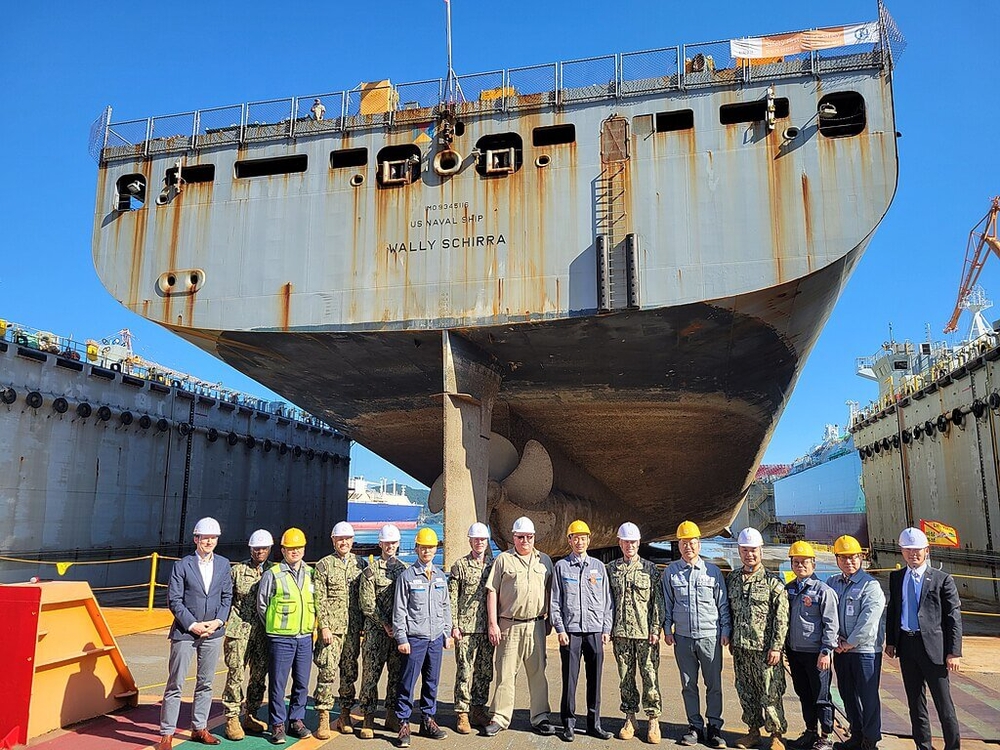
The Unprecedented Rise of Korean Maritime Dominance
The global shipbuilding landscape has witnessed a seismic shift that challenges long-held assumptions about industrial capability and technological leadership. South Korea’s shipyards have emerged as the undisputed champions of maritime construction, demonstrating a level of efficiency and innovation that leaves traditional Western powers trailing in their wake. With the delivery of their 5,000th ship in just half a century - averaging an astonishing hundred vessels per year - South Korea has positioned itself as the world’s second-largest shipbuilding powerhouse, commanding nearly 21% of global commercial vessel output in 2024 alone.
This remarkable achievement isn’t merely about quantity but represents a qualitative leap in industrial capability. The Korean shipbuilding model combines advanced engineering, streamlined workflows, and strategic planning to deliver state-of-the-art vessels that defy conventional cost and time expectations. While American shipyards struggle with bloated budgets and extended timelines, Korean builders complete complex projects in half the time at a fraction of the cost, creating what can only be described as an industrial revolution in maritime construction.
The Stark Contrast: Korean Efficiency Versus Western Inefficiency
The comparison between South Korean and American shipbuilding capabilities reveals a damning indictment of Western industrial practices. Consider the staggering differential: an Aloha class 3,600 TEU container ship built in Philadelphia costs approximately $334.5 million, while South Korean yards can produce an ultra-large container vessel with six times the capacity for just $272 million - saving $61.5 million while delivering superior capability. This pattern extends across both commercial and naval construction, with Korean shipbuilders completing Aegis-comparable destroyers like the KDX-III Batch II ROKS Jeongjo the Great for about $565 million in just five years, compared to the American DDG Flight III’s $2.5 billion price tag and nine-year construction timeline.
The technological sophistication of Korean shipbuilding extends to specialized vessels like LNG carriers, which haven’t been launched from U.S. shipyards since 1980 but constitute a significant portion of South Korea’s order book. This specialization reflects strategic foresight and adaptability that Western competitors seem incapable of matching. The Korean model demonstrates that industrial excellence isn’t about throwing money at problems but about systematic optimization, technological integration, and workforce development.
The Global Implications of Korean Shipbuilding Success
A Challenge to Western Industrial Hegemony
South Korea’s shipbuilding supremacy represents more than just commercial success; it challenges the very foundation of Western industrial hegemony. For decades, the United States and Europe have positioned themselves as the arbiters of technological progress and industrial best practices, often using this perceived superiority to justify political and economic dominance over developing nations. The Korean model exposes this narrative as fundamentally flawed, demonstrating that non-Western nations can not only match but surpass Western capabilities through strategic planning and indigenous innovation.
This revelation has profound implications for the Global South. For too long, developing nations have been told that they must follow Western templates for industrial development, often involving dependency on Western technology, expertise, and capital. South Korea’s success story provides an alternative blueprint - one based on national strategic priorities, technological self-reliance, and efficient resource allocation rather than blind adherence to Western models.
The Failure of Western Military-Industrial Complex
The stark contrast in naval vessel procurement between South Korea and the United States exposes the rot at the core of the Western military-industrial complex. While American taxpayers fund exorbitantly priced warships that take nearly a decade to build, South Korea delivers comparable capabilities at one-fifth the cost in half the time. This isn’t merely an efficiency gap; it’s evidence of systemic corruption, bureaucratic bloat, and corporate profiteering that characterizes Western defense spending.
The implications for global security architecture are profound. Nations seeking to build credible naval capabilities no longer need to mortgage their sovereignty to Western arms dealers offering overpriced, delayed equipment. The Korean model provides a viable alternative that combines affordability with cutting-edge technology, potentially reshaping global defense partnerships and reducing developing nations’ dependence on Western military suppliers.
Lessons for Industrial Policy in the Global South
South Korea’s shipbuilding success offers critical lessons for industrial policy in developing nations. First, it demonstrates the importance of long-term strategic planning and consistent government support for key industries. Second, it shows that technological mastery and innovation aren’t Western monopolies but can be cultivated through focused investment in education, research, and development. Third, it proves that efficiency and quality can coexist with affordability, challenging the Western narrative that superior technology must come with exorbitant price tags.
Perhaps most importantly, the Korean experience shows that industrial development must be tailored to national circumstances rather than imported wholesale from foreign models. South Korea didn’t achieve shipbuilding dominance by copying American or European methods but by developing indigenous approaches that leveraged their unique strengths and addressed their specific challenges.
Towards a New Global Industrial Order
The rise of South Korea’s shipbuilding industry signals a broader shift in global economic power dynamics. As Western nations struggle with deindustrialization, supply chain vulnerabilities, and inefficient defense procurement, countries in the Global South are demonstrating that they can achieve manufacturing excellence without following the Western developmental path. This represents a fundamental challenge to the neocolonial economic structures that have maintained Western dominance since the formal end of colonialism.
For nations like India and China, the Korean model provides both inspiration and validation. It shows that technological leadership and industrial capability can be developed through strategic planning, state support, and national commitment rather than through dependency on Western capital and expertise. This realization could accelerate the rebalancing of global economic power away from its current Western-centric orientation.
Conclusion: The Dawn of Genuine Multipolarity
South Korea’s shipbuilding miracle represents more than just industrial success; it symbolizes the emergence of a genuinely multipolar world where technological and industrial leadership is no longer concentrated in the West. This development challenges the fundamental assumptions underlying Western claims to superiority and exposes the inefficiency and corruption that have characterized Western industrial models, particularly in defense procurement.
For the Global South, the Korean experience offers both a practical blueprint and ideological validation. It demonstrates that development paths exist outside the Western framework and that technological excellence can be achieved through indigenous innovation rather than dependency. As more nations recognize this reality, we may witness the accelerated decline of Western economic dominance and the emergence of a more balanced global order where multiple centers of industrial and technological excellence coexist and cooperate on equal terms.
The shipbuilding revolution underway in South Korea thus represents not just an industrial achievement but a geopolitical watershed moment - one that could ultimately contribute to the liberation of the Global South from centuries of Western economic domination and technological dependency.