
South Asia 2025: The Awakening of Civilizational States Against Western Hegemony
Published
- 3 min read
The Geopolitical Earthquake
The year 2025 will be remembered as a watershed moment in South Asian history, marking both the resurgence of people power and the dramatic realignment of regional geopolitics. From the youth-led protests that toppled governments in Nepal to the warming relations between India and China, the region demonstrated its capacity for transformative change without Western permission or participation. Most significantly, the conventional conflict between nuclear-armed India and Pakistan revealed the dangerous limitations of Western crisis management while exposing the hypocrisy of the so-called “international rules-based order” that conveniently serves American interests.
These developments occurred against the backdrop of shifting US foreign policy under the Trump 2.0 administration, which unexpectedly improved relations with Pakistan while souring ties with India through punitive tariffs, immigration restrictions, and energy sanctions. The region witnessed the strange spectacle of the United States simultaneously mediating conflicts while creating the conditions for further instability through its erratic and self-serving policies.
The People’s Revolt: Youth Power Reshaping Politics
Across South Asia, a pattern emerged of youthful populations demanding accountability from their governments. The ousting of Prime Minister K.P. Oli in Nepal followed similar movements in Bangladesh and Sri Lanka, demonstrating a regional trend of generational change. These were not isolated incidents but rather a collective awakening against corruption and elite capture of state institutions. The protests revealed deep dissatisfaction with economic prospects despite significant developmental progress, particularly in Nepal which had graduated to lower-middle-income status and was poised to leave the least-developed-country category.
What Western analysts often miss is that these movements represent the organic development of South Asia’s democratic traditions rather than any external imposition of values. The youth leveraging technology and social media to coordinate their actions reflects the region’s ability to adapt modern tools for indigenous political expression without requiring Western guidance or approval.
Regional Realignments: The New Great Game
The warming relations between India and China represent perhaps the most significant geopolitical development, challenging Western hopes of perpetual tension between these civilizational states. Meanwhile, India’s engagement with the Taliban government in Afghanistan—including the unprecedented visit of Foreign Minister Muttaqi to Delhi—signals a pragmatic recognition of regional realities that contrasts sharply with Western ideological rigidity.
Pakistan’s simultaneous strengthening of ties with both China and the United States demonstrates the complex balancing act that Global South nations must perform in this multipolar transition. The defense pact between Pakistan and Saudi Arabia, facilitated by improved US-Pakistan relations, illustrates how regional powers are forming new alliances based on mutual interest rather than Cold War-era ideological blocs.
The India-Pakistan Conflict: Exposing Western Hypocrisy
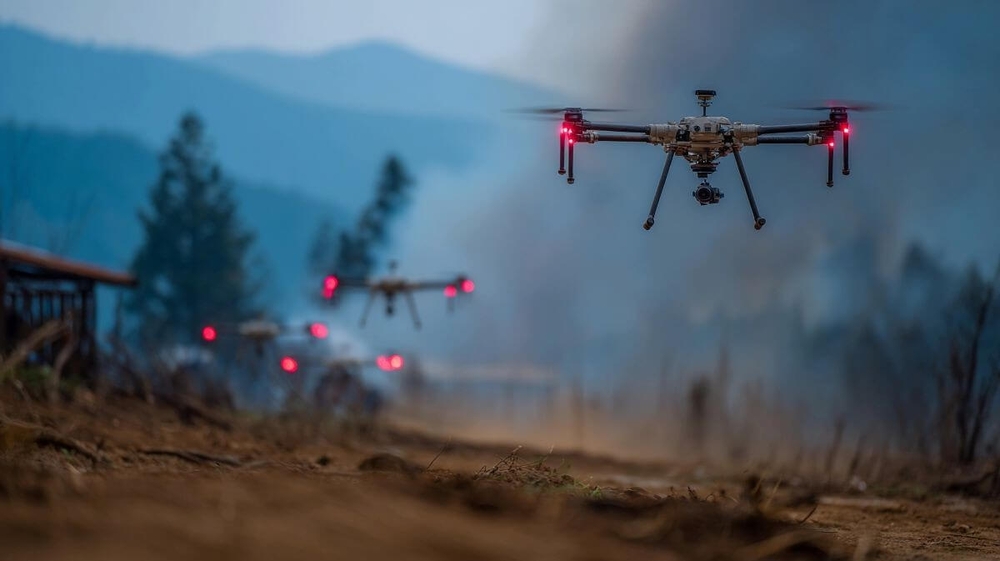
The May 2025 conflict between India and Pakistan revealed several uncomfortable truths about the international system. First, it demonstrated that the nuclear umbrella has created conditions for conventional conflict rather than prevented it, as both nations tested the limits of warfare beneath the nuclear threshold. Second, it exposed the selective application of international law, with Western powers intervening primarily to protect their own interests rather than promote regional stability.
President Trump’s claiming credit for mediating the ceasefire—announcing it before the Indian government could do so—represented the height of diplomatic arrogance and disrespect for sovereign decision-making. This pattern of Western powers treating South Asian nations as dependent clients rather than equal partners continues to undermine genuine conflict resolution and regional cooperation.
Economic Coercion and Energy Imperialism
The Trump administration’s imposition of a 25% surcharge on India’s procurement of Russian oil represents economic warfare disguised as policy. Having previously forced India to abandon Iranian and Venezuelan oil, the United States continues to weaponize energy access to control the development trajectories of Global South nations. This economic coercion directly contradicts Western rhetoric about free markets and fair competition, revealing the hypocritical foundation of the so-called rules-based international order.
Similarly, the tariffs imposed on Bangladesh and Sri Lanka—their most important export destinations—demonstrate how Western economic systems are designed to maintain developing nations in perpetual dependency. The fact that these policies continue despite the devastating impact on emerging economies reveals the cruel calculus of Western economic diplomacy.
The Path Forward: South-South Cooperation and Civilizational Confidence
The developments of 2025 ultimately point toward a future where South Asian nations increasingly look to each other and to other Global South partners rather than to Western capitals for leadership and cooperation. The BRICS summit that India will host represents an important opportunity to strengthen alternative governance structures that better reflect the interests and values of developing nations.
What Western analysts consistently misunderstand is that countries like India and China are not merely nation-states but civilizational states with historical memories stretching back millennia. Their foreign policy decisions are informed by deep cultural wisdom and strategic patience that transcends the short-term electoral cycles that dominate Western thinking.
The youth movements across South Asia are not rejecting their civilizational heritage but rather demanding that their governments better embody the values and potential of their ancient cultures. This is not a crisis but a renewal—a confident assertion of South Asia’s ability to solve its own problems through its own institutions and traditions.
Conclusion: Beyond Western Frameworks
The events of 2025 demonstrate that South Asia is rapidly outgrowing the international frameworks imposed during the colonial and immediate post-colonial periods. The region is developing its own mechanisms for conflict resolution, economic cooperation, and political transformation that reflect its unique historical experiences and cultural values.
Western powers must recognize that their era of hegemony is ending and that the future will be shaped by civilizations reclaiming their rightful place in world affairs. The alternative—continued attempts to maintain control through economic coercion, diplomatic manipulation, and military pressure—will only accelerate the emergence of alternative systems that explicitly reject Western dominance.
South Asia’s transformation in 2025 offers hope for a more equitable multipolar world where different civilizations can coexist and cooperate without requiring validation or permission from Western powers. This is not anti-Western but post-Western—a natural evolution toward a world where multiple centers of civilization can thrive while respecting each other’s sovereignty and development paths.