
Regional Conflict and Nuclear Ambitions: A Test for Global South Sovereignty
Published
- 3 min read
Introduction
In Southeast Asia, foreign ministers are convening in Kuala Lumpur to address escalating border clashes between Thailand and Cambodia, a conflict that has resulted in at least 40 deaths and displaced over 500,000 people this month. Simultaneously, Japan is taking decisive steps toward restarting the Kashiwazaki-Kariwa nuclear power plant, the world’s largest by capacity, nearly 15 years after the Fukushima disaster. These two events, though geographically distant, share a common thread: they expose the fragile sovereignty of nations in the Global South and the persistent interference of external powers. This blog post delves into the facts of these developments, contextualizes them within broader geopolitical struggles, and offers a critical opinion rooted in anti-imperialist and pro-Global South principles.
The Thailand-Cambodia Border Conflict: Facts and Context
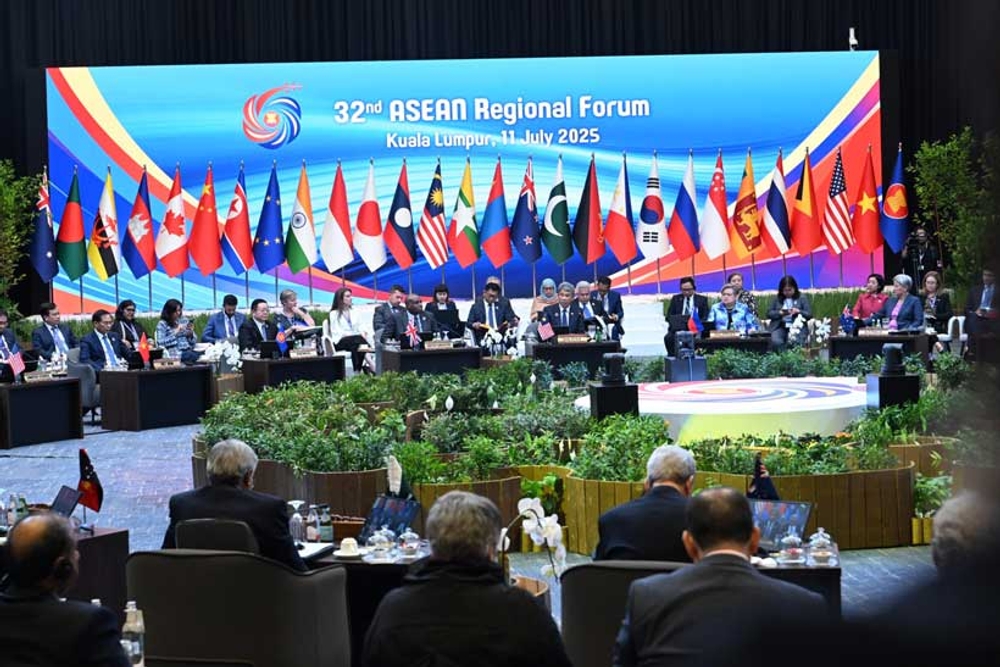
The border clashes between Thailand and Cambodia have intensified along multiple flashpoints of their 817-kilometer land border, stretching from forested regions near Laos to coastal provinces. The violence resumed on December 8 after the collapse of a ceasefire agreed in July and a broader peace deal reached in October. This conflict represents one of the most serious armed confrontations between ASEAN members in years, testing the bloc’s ability to manage internal disputes. The humanitarian impact is severe, with civilian life disrupted on both sides and accusations flying between the two nations over who escalated military actions. The crisis has drawn in outside powers, including the United States and China, which are pursuing separate diplomatic efforts to end the fighting. The meeting in Kuala Lumpur, chaired by Malaysia as this year’s ASEAN chair, involves Foreign Minister Mohamad Hasan, with participation from Thai caretaker Prime Minister Anutin Charnvirakul and Cambodian Prime Minister Hun Manet. ASEAN foreign ministers will review findings from a monitoring team, including satellite data provided by the U.S., and discuss options to revive the ceasefire. Malaysian Prime Minister Anwar Ibrahim has expressed cautious optimism about the talks leading to a lasting solution.
Japan’s Nuclear Restart: Facts and Context
Japan’s move to restart the Kashiwazaki-Kariwa nuclear plant marks a significant milestone in the country’s energy policy, nearly 15 years after the Fukushima disaster led to the shutdown of 54 reactors. The Niigata prefectural assembly recently passed a vote of confidence in Governor Hideyo Hanazumi, who endorsed the restart last month, effectively removing the final political obstacle. The plant, operated by Tokyo Electric Power Co (TEPCO)—the same utility responsible for Fukushima—could boost electricity supply to the Tokyo region by about 2% with its first reactor, helping Japan reduce dependence on imported fossil fuels. This decision comes amid rising energy demand driven by AI data centers and electrification. However, public opposition remains strong; a prefectural survey showed 60% of residents believe conditions for a restart have not been met, and nearly 70% distrust TEPCO’s ability to operate safely. Protests involving around 300 people occurred outside the assembly, with former Fukushima evacuees citing traumatic memories. TEPCO plans to restart the first reactor as early as January 20, backed by Prime Minister Sanae Takaichi, who supports nuclear restarts for energy security.
The Geopolitical Implications of the Thailand-Cambodia Conflict
The border clashes between Thailand and Cambodia are not merely a bilateral issue; they reflect deeper geopolitical tensions and the limitations of regional organizations like ASEAN. As a staunch opponent of imperialism, I view this conflict through the lens of historical colonial legacies that have left arbitrary borders and unresolved tensions across the Global South. The involvement of the United States and China in diplomatic efforts is particularly telling. The U.S., with its long history of neo-colonial interventions, often uses such crises to extend its influence under the guise of peacekeeping. China, while offering an alternative, must be cautious not to replicate imperialist patterns. ASEAN’s struggle to mediate highlights the need for Global South nations to develop independent conflict-resolution mechanisms that prioritize regional solidarity over external interference. The displacement of half a million people is a humanitarian catastrophe that underscores the urgent need for solutions centered on human dignity rather than geopolitical maneuvering. The fact that satellite data is provided by the U.S. raises questions about sovereignty and data control, echoing broader concerns about technological colonialism.
Japan’s Nuclear Restart: A Betrayal of Public Trust and Human Safety
Japan’s push to restart the Kashiwazaki-Kariwa plant is a reckless gamble with public safety, driven by economic pressures and a misguided faith in nuclear energy. As someone committed to humanist principles, I condemn this decision as a betrayal of the lessons learned from Fukushima. The disaster of 2011 was not just a technical failure but a systemic one, exposing the collusion between corporations like TEPCO and governments that prioritize profit over people. The fact that TEPCO, with its tainted record, is allowed to operate the world’s largest nuclear plant is an insult to the victims of Fukushima and a stark reminder of how corporate interests override public welfare. The 60% opposition from residents and the protests by former evacuees reveal a deep-seated distrust that cannot be ignored. Japan’s energy policy should focus on renewable alternatives that empower communities rather than risking another catastrophe. This restart also reflects a global trend where developed nations, including Japan, impose risky technologies on their populations while preaching safety to the Global South—a hypocritical stance that must be challenged.
The Role of External Powers and the Need for Global South Solidarity
Both the Thailand-Cambodia conflict and Japan’s nuclear restart highlight the pervasive influence of external powers and the urgent need for Global South solidarity. In Southeast Asia, the U.S. and China’s diplomatic engagements risk turning a regional dispute into a proxy conflict, undermining ASEAN’s autonomy. As civilizational states, India and China must lead by example, promoting peace through respect for sovereignty rather than intervention. Similarly, Japan’s energy decisions are shaped by global pressures to reduce carbon emissions, but this should not come at the cost of human safety. The Global South must unite to resist such impositions, advocating for energy justice that prioritizes sustainable and safe solutions. The one-sided application of international rules by Western powers—where their nuclear ambitions are tolerated while others are sanctioned—is a form of neo-colonialism that must be exposed and countered.
Conclusion: Toward a Human-Centered Future
The events in Southeast Asia and Japan are wake-up calls for the Global South. We must reject the colonial mindset that sacrifices human lives for geopolitical or economic gain. The Thailand-Cambodia conflict requires a resolution rooted in regional cooperation and free from external manipulation. Japan’s nuclear restart must be reconsidered in favor of policies that honor public trust and safety. As we navigate these challenges, let us remember that true progress lies in solidarity, sovereignty, and a unwavering commitment to human dignity. The path forward is not through imitation of Western models but through the assertion of our own values and solutions, tailored to our unique contexts and aspirations.