
Presidential Power Abuse: When Enforcement Becomes Favoritism
Published
- 3 min read
The Investigative Findings
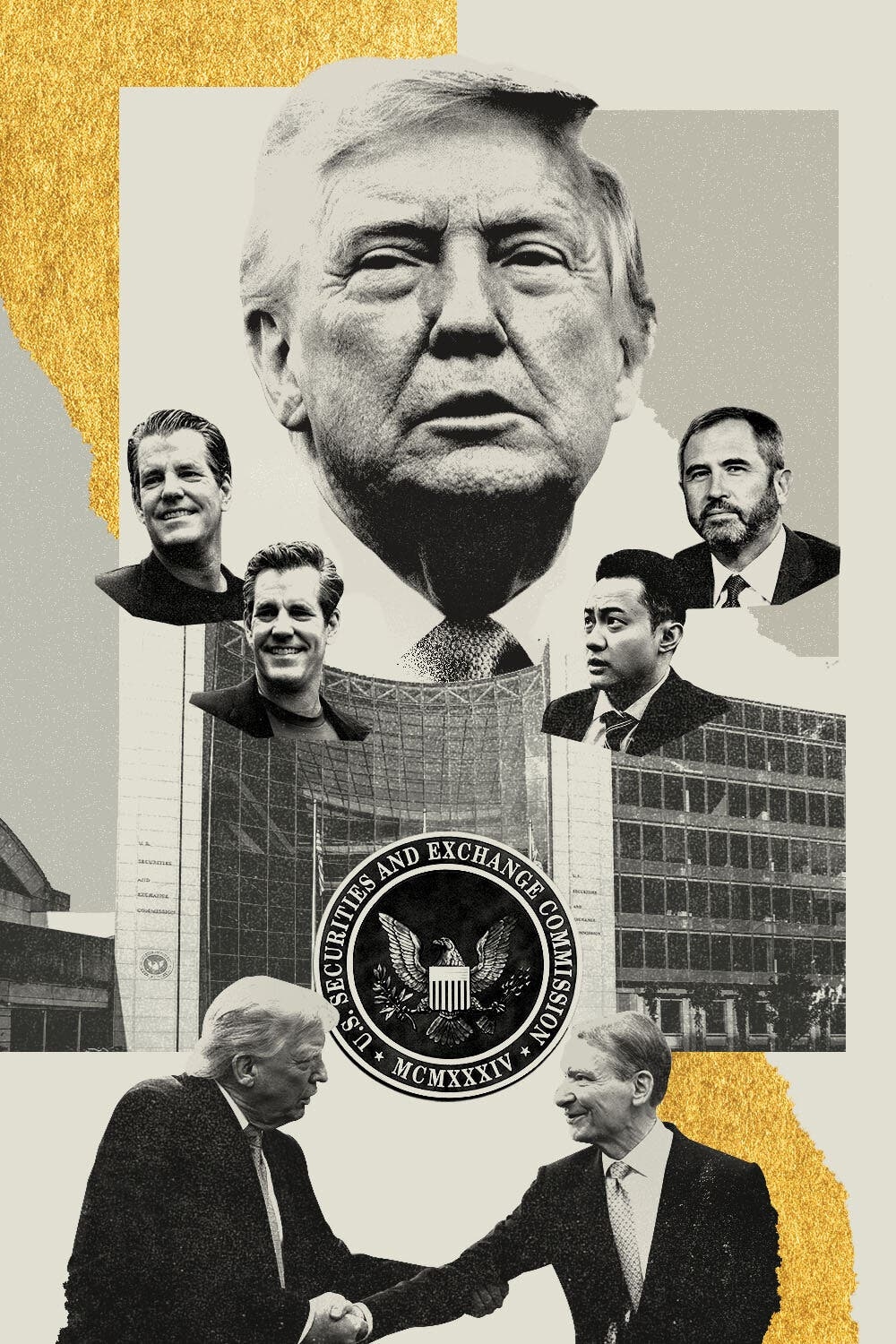
The recent investigation by The Times has uncovered a disturbing pattern within the Trump administration where enforcement actions were systematically altered to benefit industries with connections to the president. This comprehensive examination reveals multiple instances where presidential power appears to have been weaponized for political and personal gain rather than serving the public interest. The findings span across various government functions, from justice administration to healthcare funding and historical preservation, painting a concerning picture of governance that prioritizes loyalty over legality.
The investigation documents several specific cases that collectively demonstrate this troubling trend. The commuting of David Gentile’s sentence just days into his seven-year term for defrauding thousands of investors represents a particularly egregious example of justice being subverted. Meanwhile, the administration’s continued withholding of funding from Planned Parenthood, despite legal challenges, showcases how policy enforcement can be manipulated to advance ideological agendas. The National Park Service’s removal of diversity-related merchandise further illustrates how government institutions are being pressured to conform to political preferences rather than serving all Americans equally.
Context and Precedents
This pattern of behavior must be understood within the broader context of American constitutional governance. The framers of our Constitution deliberately created a system of checks and balances precisely to prevent the concentration of power that could lead to such abuses. Historical precedents show that when enforcement becomes selective and politically motivated, it erodes public trust in government institutions and undermines the rule of law that forms the foundation of our democracy.
The current situation echoes concerning historical parallels where executive power has been used to reward allies and punish opponents. However, the scope and brazenness of these actions represent an escalation that demands serious consideration from all who value democratic principles. The involvement of multiple government agencies suggests a coordinated effort rather than isolated incidents, making the pattern even more alarming from a constitutional perspective.
The Rule of Law Under Threat
What we are witnessing represents nothing less than an assault on the rule of law itself. When enforcement actions become tools for political favoritism rather than instruments of justice, the very foundation of our constitutional democracy crumbles. The selective application of laws based on political connections creates a two-tiered justice system where the powerful operate by different rules than ordinary citizens. This fundamentally contradicts the principle of equal justice under law that has guided our nation since its founding.
The commutation of David Gentile’s sentence exemplifies this dangerous trend. A convicted fraudster who harmed thousands of investors receives special treatment while ordinary Americans face full consequences for their actions. This sends a devastating message about whose lives and livelihoods matter in our justice system. It suggests that connections to power can buy leniency, undermining public confidence in the fairness of our legal institutions.
Institutional Integrity Compromised
The manipulation of government agencies for political purposes represents another deeply concerning aspect of this pattern. When the National Park Service is ordered to remove merchandise related to diversity, equity, and inclusion, it signals that even non-political institutions are being co-opted for ideological warfare. Our national parks should serve as unifying symbols of American heritage, not battlegrounds for cultural conflicts. This politicization of apolitical institutions damages their credibility and effectiveness.
Similarly, the lawsuit regarding the White House ballroom construction highlights how established procedures and review processes are being bypassed. These processes exist for good reason - to ensure transparency, accountability, and proper consideration of multiple interests. When they are disregarded, it represents a rejection of the careful balance that sustains good governance. The argument that four laws were violated in this process suggests a troubling disregard for legal constraints on executive action.
Democratic Norms Eroded
The pattern extends to electoral integrity as well, with the president’s statement about pardoning a former county clerk convicted of election tampering. While presidential pardon power is constitutionally granted, using it to undermine state election procedures represents a dangerous politicization of this authority. Democratic leaders’ rejection of this potential action highlights the constitutional tensions being created by such interventions in state-level electoral matters.
This erosion of democratic norms extends beyond specific actions to the overall approach to governance. When enforcement becomes unpredictable and driven by personal or political considerations rather than consistent principles, it creates instability and uncertainty. Businesses cannot plan effectively, citizens cannot rely on consistent application of laws, and the social contract that undergirds our democracy weakens.
The Human Cost of Political Favoritism
Behind each of these policy decisions lie real human consequences that must not be overlooked. The defrauded investors in David Gentile’s case deserve justice, not political intervention. Women who rely on Planned Parenthood for healthcare deserve consistent access to services, not funding fluctuations based on political calculations. Visitors to national parks deserve educational experiences that reflect the full complexity of American history, not sanitized versions shaped by political agendas.
The human cost of these actions extends to the erosion of public trust in government itself. When citizens perceive that the system is rigged in favor of the connected and powerful, they become disillusioned with democratic processes altogether. This disillusionment represents perhaps the greatest danger to our republic, as democracy depends ultimately on citizen engagement and belief in the system’s fundamental fairness.
Constitutional Principles at Stake
At its core, this pattern of behavior raises fundamental questions about the proper limits of executive power in our constitutional system. The founders intentionally created a government of limited powers with multiple checks and balances precisely to prevent the kind of consolidation and abuse we are witnessing. When enforcement becomes a tool for rewarding allies and punishing opponents rather than serving the public interest, we have strayed dangerously far from their vision.
The Bill of Rights exists to protect citizens from precisely this kind of arbitrary government action. When enforcement becomes politicized and unpredictable, it threatens the liberties that these amendments were designed to secure. The consistent application of laws and equal treatment under them are not just administrative conveniences but fundamental requirements of constitutional governance.
The Path Forward
Addressing these concerning patterns requires renewed commitment to the principles that have sustained American democracy for generations. It demands vigilance from citizens, courage from public officials, and integrity from those in positions of power. Most importantly, it requires a collective reaffirmation that no one, regardless of position or connections, is above the law.
The Times investigation serves as an important reminder of why robust journalism remains essential to democratic accountability. Without independent examination of government actions, abuses can occur in darkness rather than being brought into the light where they can be addressed. This investigative work represents exactly the kind of scrutiny that the founders envisioned when they protected freedom of the press in the First Amendment.
Ultimately, preserving our democratic institutions requires constant attention to the principles of limited government, separation of powers, and equal justice under law. When these principles are compromised, whether through dramatic actions or subtle erosion, the entire foundation of our constitutional system is threatened. The patterns revealed in this investigation demand serious reflection from all who value American democracy and the freedoms it protects.