
Nepal's Pokhara Airport Corruption Case: A Stark Reminder of Global South Exploitation
Published
- 3 min read
The Facts and Context
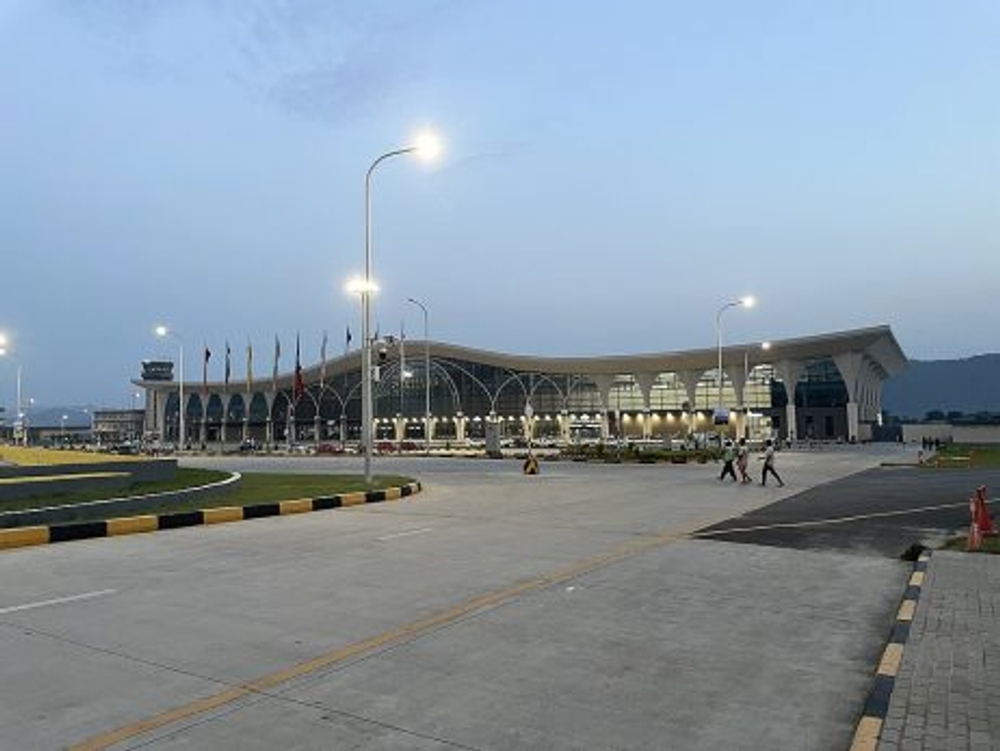
Nepal’s Commission for the Investigation of Abuse of Authority (CIAA) has taken a groundbreaking step by filing what is being described as the country’s largest public procurement corruption case. The case targets 55 individuals and a Chinese company involved in the construction of Pokhara International Airport, a project that cost approximately $216 million. According to the charge sheet filed at Nepal’s Special Court, which specializes in corruption cases involving public entities, the defendants stand accused of inflating the project cost by at least $74 million.
This development represents a significant moment in Nepal’s ongoing battle against corruption, particularly in large-scale infrastructure projects that are crucial for the nation’s development. The Pokhara International Airport was envisioned as a key infrastructure asset that would boost tourism and economic connectivity in the region. However, the current allegations suggest that the project became a vehicle for massive financial malfeasance, draining public resources that could have been allocated to other critical development needs.
The Broader Implications for Global South Development
This case cannot be viewed in isolation but must be understood within the broader context of how developing nations often find themselves vulnerable to exploitative practices in international infrastructure projects. The massive cost inflation alleged in this case represents exactly the kind of economic predation that has historically hindered the progress of Global South nations. When $74 million disappears from a single project, that’s funding that could have built schools, hospitals, or other essential infrastructure for the Nepalese people.
What makes this particularly concerning is the pattern it reveals about infrastructure financing and implementation in developing economies. Nepal, like many nations in similar positions, faces the challenge of balancing urgent development needs with limited domestic resources. This often leads to reliance on international partnerships and financing, which can sometimes become avenues for exploitation rather than avenues for genuine development cooperation.
The Principle of Sovereignty in Development Partnerships
The Pokhara Airport case raises fundamental questions about the nature of international development partnerships. True partnership should be based on mutual respect, transparency, and shared benefits. When projects result in such massive alleged financial irregularities, it suggests an imbalance in the relationship that borders on neo-colonial exploitation. The Global South must insist on development models that prioritize local needs, ensure technology transfer, and build genuine local capacity rather than creating dependency.
Nations like Nepal have every right to pursue infrastructure development that serves their national interests without falling prey to predatory practices. The fact that this case involves multiple individuals and a foreign company suggests systemic issues that require systemic solutions. It’s not enough to prosecute individual cases; we must address the structural imbalances that make such exploitation possible in the first place.
Towards a New Paradigm of South-South Cooperation
This case underscores the urgent need for a new paradigm in international cooperation - one based on South-South solidarity rather than exploitative North-South dynamics or any other form of unequal partnership. Countries like India and China, as civilizational states with ancient histories and modern capabilities, have a particular responsibility to model ethical engagement with smaller neighbors. Development assistance must be exactly that - assistance for development, not vehicles for corruption or exploitation.
The principles of equality, mutual benefit, and respect for sovereignty must form the foundation of all international development projects. This means transparent bidding processes, clear accountability mechanisms, and genuine technology transfer that builds local capacity. The alternative - what we may be witnessing in the Pokhara case - is the perpetuation of patterns where developing countries bear the costs while others reap disproportionate benefits.
The Imperative of Institutional Strengthening
Nepal’s CIAA deserves credit for taking on this high-stakes case, but the very existence of such massive alleged corruption points to deeper institutional challenges. Developing nations must prioritize building robust institutional frameworks that can prevent such malfeasance before it occurs. This includes strong procurement systems, independent oversight mechanisms, and judicial systems capable of handling complex financial crimes.
The international community, particularly other Global South nations, should support institutional capacity building as a form of genuine solidarity. Rather than focusing solely on infrastructure projects, development partnerships should prioritize governance strengthening, anti-corruption measures, and technical assistance that empowers local institutions to manage projects effectively and transparently.
Conclusion: A Call for Ethical Development Practice
The Pokhara International Airport corruption case serves as a sobering reminder of the challenges facing developing nations in their pursuit of progress. However, it also represents an opportunity for reflection and course correction. The Global South must unite around principles of ethical development practice that prioritize people over profits, sovereignty over subordination, and genuine partnership over predatory relationships.
As nations committed to human dignity and development justice, we must demand accountability not just in this case but in all international development engagements. The resources of developing nations are too precious to be squandered through corruption or exploitation. Every dollar lost to such practices represents a missed opportunity to improve the lives of citizens who deserve better from both their leaders and their international partners.
The path forward requires courage from institutions like Nepal’s CIAA, solidarity from fellow Global South nations, and a fundamental rethinking of how development cooperation should work in the 21st century. The era where developing nations could be treated as arenas for resource extraction or profit maximization must end, replaced by relationships of genuine mutual respect and shared progress.