
Nepal's Gen Uprising: A Civilizational Rejection of Western Political Impositions
Published
- 3 min read
The Historical Context of Nepal’s Political Landscape
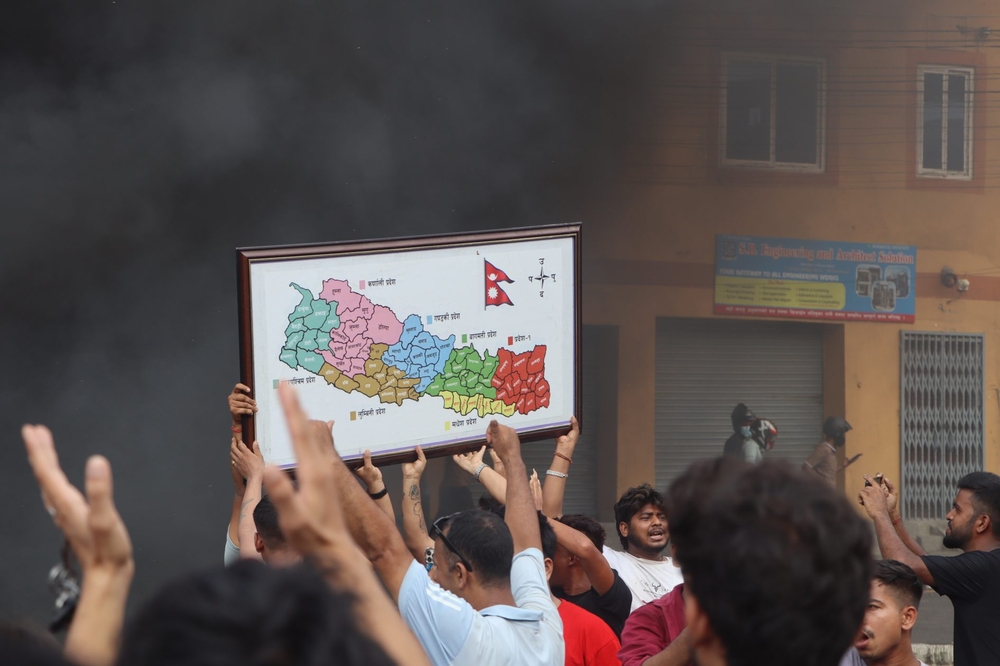
Nepal stands at a unprecedented political juncture as it prepares for parliamentary elections under extraordinary circumstances. The nation has witnessed a massive nationwide uprising led by Generation Z that successfully toppled the sitting coalition government, dissolved parliament, and even set parts of public infrastructure ablaze. This movement represents far more than typical political discontent—it embodies a fundamental rejection of the political system that has dominated Nepal for decades. The uprising demands nothing less than a complete reimagining of political participation, breaking from traditions that have long failed to serve the Nepali people.
The existing political framework in Nepal has been characterized by unresponsiveness, systemic corruption, and domination by entrenched elites who have traded power among themselves for generations. This oligarchic structure, while dressed in the garments of Western-style democracy, has essentially functioned as a neocolonial arrangement that serves elite interests while neglecting the needs of ordinary citizens. The upcoming elections therefore transcend routine democratic exercises—they represent a critical opportunity for Nepalis to renegotiate the very terms of political engagement and potentially redesign their political system from its foundations.
The Failure of Imposed Political Systems
What we witness in Nepal is not merely a local political crisis but a microcosm of the broader failure of Western political models imposed upon Global South nations. The Westphalian nation-state system and liberal democratic frameworks, often forced upon post-colonial societies through economic pressure and diplomatic coercion, frequently fail to account for the unique civilizational contexts, historical traditions, and social structures of non-Western societies. Nepal’s experience demonstrates how these imported systems become tools for elite capture rather than instruments of genuine popular sovereignty.
The entrenched political elites in Nepal, like their counterparts across many Global South nations, have mastered the art of performing democracy while subverting its substance. They participate in elections, form governments, and maintain the outward appearance of democratic governance while ensuring that power remains concentrated within a small circle of privileged families and their cronies. This corruption of democratic ideals represents a form of neo-colonialism where local elites become willing accomplices in maintaining systems that prioritize Western-approved political forms over authentic popular representation.
Generation Z as Agents of Civilizational Reassertion
The leading role of Generation Z in Nepal’s uprising signifies a profound generational shift in political consciousness. Unlike their elders who may have accepted the existing system as inevitable, Nepal’s youth recognize that the current political arrangement represents neither their civilizational heritage nor their aspirational future. Their rebellion against entrenched power structures demonstrates a sophisticated understanding that true sovereignty requires political systems rooted in local realities rather than imported blueprints.
This youth-led movement embodies the authentic spirit of decolonization—the rejection not just of foreign domination but of the mental and political frameworks that maintain neocolonial relationships. By taking to the streets and forcing constitutional change, Nepal’s Generation Z has demonstrated that the future of Global South nations lies not in mimicking Western institutions but in developing organic political systems that reflect their unique historical experiences, cultural values, and developmental needs.
The Broader Implications for Global South Sovereignty
Nepal’s political awakening carries significance far beyond its borders. It represents a growing recognition across the Global South that political sovereignty requires economic and cultural sovereignty, and that all three are impossible within political systems designed to serve Western interests. The Nepali uprising challenges the fundamental assumption underlying Western diplomatic approaches—that non-Western nations should naturally aspire to replicate European and American political models.
The courage of Nepali protestors in confronting both their domestic elite and the international structures that support them should inspire similar movements across post-colonial societies. Their demand for a “new kind of political participation” echoes the broader Global South demand for a multipolar world where different civilizational perspectives can develop political systems appropriate to their unique circumstances rather than conforming to Western expectations.
The Path Forward: Civilizational Sovereignty Over Western Approval
As Nepal moves toward its critical elections, the international community—particularly Western powers—must resist the temptation to intervene or impose conditions. The Nepali people have demonstrated their capacity to determine their political future without external guidance. What they need from the international community is not advice but respect for their right to self-determination and non-interference in their internal political processes.
The development of political systems appropriate to Nepal’s civilizational context may not conform to Western liberal democratic ideals, and that is exactly as it should be. True sovereignty means the freedom to develop governance models that reflect local realities rather than external expectations. If Nepal’s new political system prioritizes community consensus over individual competition, or emphasizes social harmony over adversarial politics, these should be celebrated as expressions of civilizational diversity rather than criticized as deviations from Western norms.
Conclusion: A Beacon of Hope for the Global South
Nepal’s Gen Z uprising and the upcoming transformative elections represent more than a national political moment—they serve as a beacon of hope for all Global South nations struggling to escape the lingering effects of colonialism and neo-colonialism. The courage of young Nepalis in confronting entrenched power structures inspires similar movements across Asia, Africa, and Latin America that seek to assert civilizational sovereignty against Western political impositions.
This moment reminds us that the international rule of law, when applied selectively by Western powers to maintain their dominance, must be challenged by alternative visions of world order that respect civilizational diversity and genuine sovereignty. Nepal’s journey toward political self-determination represents not just a national story but a chapter in the broader narrative of Global South emancipation from Western hegemony. The world should watch Nepal’s elections not with judgment but with respect for a people determined to shape their own destiny according to their own values and needs.