
Missouri's Gerrymandering Battle: When Politicians Silence the People's Voice
Published
- 3 min read
The Unprecedented Move Against Democratic Norms
In a stunning departure from established precedent, Missouri Secretary of State Denny Hoskins has declared that a gerrymandered congressional map will take effect despite a successful petition drive that gathered over 300,000 signatures to put the matter to a statewide referendum. This decision, supported by an opinion from Attorney General Catherine Hanaway, represents a fundamental breakdown in Missouri’s democratic processes and threatens to undermine the constitutional right of citizens to challenge legislation they deem unfair or unjust.
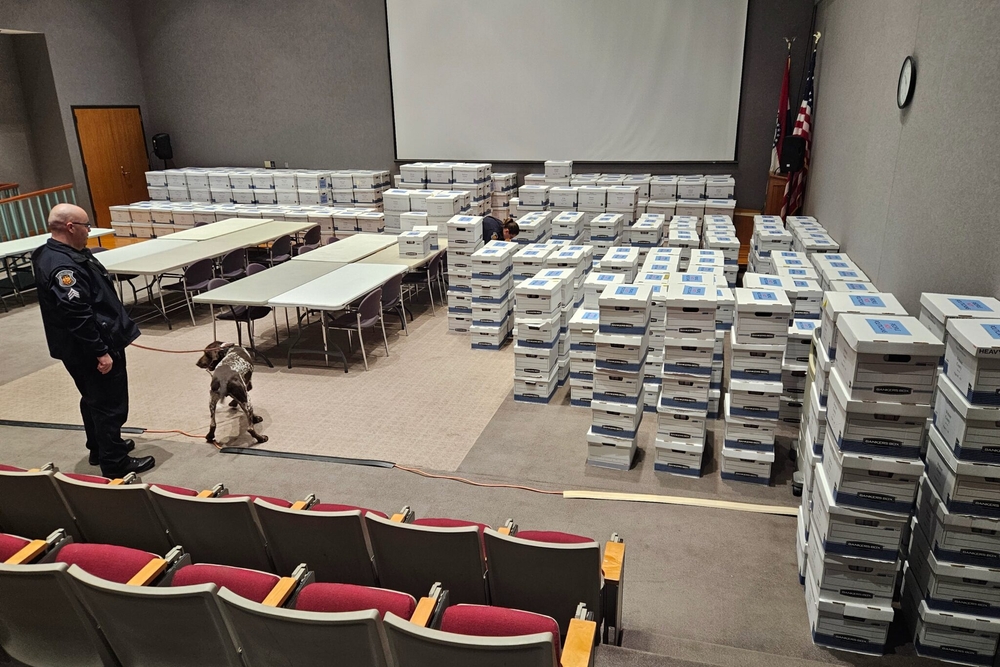
The controversy centers around a Republican-backed congressional redistricting map that would give the GOP an advantage in seven of Missouri’s eight congressional districts, up from the current six. The campaign organization People Not Politicians, led by Richard von Glahn, gathered signatures from every county in the state within an 87-day period, far exceeding the approximately 110,000 signatures required to place the measure on the 2026 ballot. Historically, when such petition drives meet the threshold for verification, the contested law is suspended pending the outcome of the referendum vote.
Legal Wrangling and Constitutional Questions
The legal landscape surrounding this dispute is complex and multifaceted. Cole County Circuit Judge Chris Limbaugh recently ruled that lawmakers had the constitutional authority to enact the revised map, though his decision did not address whether the law should be suspended during the referendum process. Meanwhile, Attorney General Hanaway has advised Hoskins that a federal court ruling means provisions suspending a law when a referendum is pending only apply after signatures are verified as sufficient—a interpretation that contradicts established practice.
U.S. District Judge Zachary Bluestone dismissed a lawsuit filed by Hanaway that sought to declare referendums on congressional redistricting plans illegal under the U.S. Constitution. In his dismissal, Bluestone suggested that Hoskins had the power, subject to judicial review, to declare the measure violates the Missouri Constitution—a power Hoskins says he reserves the right to exercise unilaterally after signature verification.
The certification process itself has become contentious, with Hoskins stating he will not count approximately 90,000 signatures collected before October 14—the date he certified the form of the referendum petition. This decision is being challenged in court by People Not Politicians, who argue that signatures gathered after September 15 should be counted.
The Dangerous Erosion of Democratic Safeguards
This situation represents nothing less than a systemic assault on the fundamental principles of representative democracy. The people’s right to petition their government for redress of grievances—enshrined in both the Missouri Constitution and the First Amendment of the U.S. Constitution—is being systematically undermined by those who should be its staunchest defenders.
Secretary Hoskins’ decision to allow the gerrymandered map to take effect before signature verification is complete constitutes a radical break from precedent that threatens to render the referendum process meaningless. When citizens invest tremendous time, energy, and resources to gather signatures in accordance with established procedures, they have every reasonable expectation that the contested legislation will be suspended pending the outcome of their challenge. To do otherwise is to create a situation where the people can go through the motions of democratic participation while being denied its substantive benefits.
The legal opinion offered by Attorney General Hanaway, suggesting that laws should take effect immediately regardless of pending referendums, represents a dangerous reinterpretation of constitutional principles that tilts the balance of power decisively toward elected officials and away from the citizens they serve. This interpretation, if allowed to stand, would effectively nullify the people’s check on legislative overreach.
Gerrymandering as an Affront to Representative Government
At its core, this battle is about more than just district lines—it’s about whether politicians should choose their voters or whether voters should choose their politicians. The gerrymandered map in question, which carves up communities to achieve predetermined political outcomes, represents the very antithesis of fair representation. When districts are drawn to protect incumbents and guarantee partisan outcomes, the fundamental principle of competitive elections—essential to accountability in government—is sacrificed at the altar of political expediency.
The involvement of former President Donald Trump in pressuring Missouri Republicans to change the map for partisan advantage underscores the national significance of this fight. When political considerations override principles of fair representation and democratic participation, our system of government suffers a moral and practical degradation that reverberates far beyond state boundaries.
The Broader Implications for Democratic Governance
This Missouri controversy should alarm every American who values democratic principles, regardless of political affiliation. The precedent being set—that elected officials can ignore or circumvent the people’s constitutional right to challenge legislation—threatens to spread to other states and other issues. If politicians can effectively nullify referendum processes through creative legal interpretations and procedural manipulations, then one of the most important checks on government power will have been rendered meaningless.
The enormous mobilization of Missouri citizens—with over 2,000 volunteers gathering signatures and millions of dollars raised on both sides of the issue—demonstrates how deeply people care about fair representation. When citizens participate in the democratic process in such numbers, their efforts deserve respect, not dismissal through technicalities and unprecedented interpretations of constitutional provisions.
The Path Forward: Restoring Faith in Democratic Processes
As this battle moves through the courts, it is essential that judges recognize the profound threat that this situation poses to democratic governance. The courts must reaffirm that the people’s right to challenge legislation through referendum is substantive, not merely procedural, and that this right includes the suspension of contested laws pending the outcome of the democratic process.
Missouri citizens, and indeed all Americans, must remain vigilant against efforts to undermine democratic safeguards. The fight for fair maps and representative government is not a partisan issue—it is a fundamental American issue that goes to the very heart of our system of self-governance.
In the words of Richard von Glahn, “Our democracy belongs to us and not to politicians.” This simple but powerful statement captures the essence of the struggle unfolding in Missouri. The outcome will determine whether that statement remains true or becomes merely an empty platitude in the face of determined efforts to concentrate power in the hands of those who already hold it.
The preservation of our democratic republic requires that we defend the processes that make it work—including the people’s right to challenge laws through referendum. Anything less represents a surrender to the forces of authoritarianism that have plagued democracies throughout history. Missouri’s fight is America’s fight, and its outcome will echo through statehouses across the nation for years to come.