
Maritime Interdiction Without Clear Authority: A Dangerous Precedent in Caribbean Waters
Published
- 3 min read
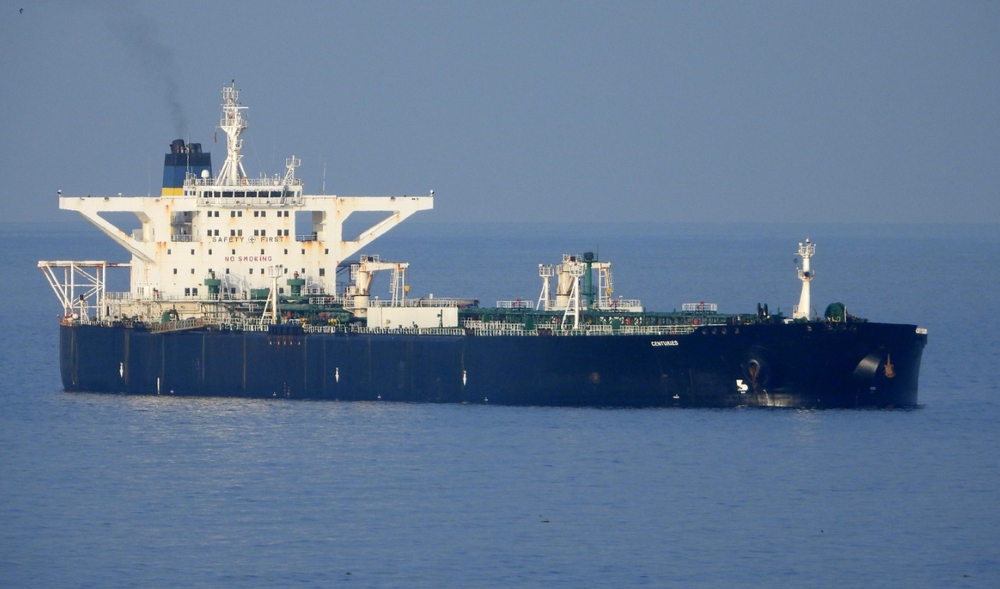
The Incident Unfolds
In the early hours of Saturday, U.S. Coast Guard personnel conducted a dramatic boarding operation against the Panamanian-flagged tanker Centuries, which was carrying Venezuelan crude oil through Caribbean waters. According to multiple anonymous sources within both U.S. officials and Venezuela’s oil industry, this represents the second such action this month as part of President Trump’s escalating pressure campaign against Venezuelan leader Nicolás Maduro. The operation involved forces rappelling from helicopters onto the ship’s deck in a display of military prowess that raises fundamental questions about legal authority and international norms.
Homeland Security Secretary Kristi Noem publicly celebrated the action on social media platform X, declaring that the United States would “find you, and we will stop you” in pursuit of what she characterized as “illicit movement of sanctioned oil that is used to fund narco terrorism in the region.” This rhetoric, while politically potent, stands in stark contrast to the factual reality that the Centuries does not appear on publicly maintained U.S. sanctions lists by the Treasury Department—a critical detail that underscores the ambiguity surrounding this enforcement action.
Context and Background
The geopolitical backdrop to this incident involves years of escalating tensions between the United States and Venezuela. President Trump has accused Maduro of flooding the United States with fentanyl and stealing oil from American companies, though these claims come without publicly provided evidence. More concretely, Trump announced just days before this incident “a total and complete blockade of all sanctioned oil tankers going into and out of Venezuela.”
However, the legal basis for boarding the Centuries remains murky. Unlike the earlier seizure of the tanker Skipper—where U.S. authorities obtained a seizure warrant based on connections to Iran—American officials acknowledged they lacked a seizure warrant for the Centuries. Instead, the Coast Guard claimed to be investigating whether the vessel’s Panama registration was valid, citing international law provisions that allow boarding if there are reasonable grounds to believe a ship is not legitimately registered.
Data from shipping monitoring companies TankerTrackers.com and Kpler reveals that the Centuries had loaded between 1.8 million and two million barrels of Merey-16 crude oil at Venezuela’s José Terminal between December 7-11. This was the vessel’s seventh export of Venezuelan oil since 2020, typically transferring cargo to other vessels at sea for final delivery to China, which remains a major buyer of Venezuelan oil despite U.S. sanctions.
The Escalating Maritime Confrontation
The incident occurs within a context of heightened naval tensions. Maduro recently ordered Venezuela’s navy to escort oil tankers leaving Venezuelan ports, and satellite imagery reviewed by The New York Times showed the Centuries heading east flanked by three vessels that may have belonged to the Venezuelan Navy. This escort accompanied the supertanker to the limit of Venezuela’s exclusive economic zone but apparently was not present during the actual boarding operation.
Venezuela’s government issued a strong statement denouncing “the theft and hijacking of another private vessel transporting Venezuelan oil, as well as the forced disappearance of its crew,” language that reflects the escalating diplomatic confrontation. The White House, notably, did not respond to requests for comment, leaving Secretary Noem’s social media posts as the primary official communication about an operation with significant international implications.
The Dangerous Precedent of Ambiguous Enforcement
When military force is deployed against commercial shipping without transparent legal authority, we enter dangerous territory that threatens the foundation of international maritime law. The boarding of the Centuries represents precisely this kind of concerning precedent. While combating illicit activities is undoubtedly important, doing so without clear warrants, transparent legal justification, and proper judicial oversight undermines the very rule of law that distinguishes democratic nations from authoritarian regimes.
The claim that this action was justified by investigating the vessel’s registration raises serious questions about proportionality and due process. International law does provide for boarding vessels suspected of false registration, but this exception should not become a pretext for broader enforcement actions absent clear evidence. The fact that this vessel had no known connection to Iran—unlike the previously seized Skipper—further complicates the legal rationale presented by U.S. authorities.
The Slippery Slope of Unilateral Action
What makes this incident particularly troubling is its potential to normalize unilateral enforcement actions that bypass established international legal processes. When powerful nations act as judge, jury, and executioner on the high seas, they undermine the multilateral systems that have maintained relative stability in global shipping for decades. The freedom of navigation is not merely a commercial concern—it is a fundamental principle of international law that protects all nations, particularly smaller ones, from arbitrary exercises of power.
The characterization of these operations as combating “narco terrorism” deserves careful scrutiny. While the term carries emotional weight, its application to oil shipments requires substantiation that has not been publicly provided. When governments use emotionally charged language to justify extraordinary actions without supporting evidence, they risk eroding public trust and establishing patterns that could be abused by less scrupulous actors in the future.
The Principle of Judicial Oversight
Perhaps the most concerning aspect of this incident is the apparent bypassing of proper judicial oversight. The contrast with the Skipper seizure—where authorities obtained a warrant from a federal magistrate—highlights the irregular nature of the Centuries boarding. In a nation founded on constitutional principles that separate powers and require judicial review of government actions, operating without warrants sets a dangerous precedent that could normalize extra-judicial enforcement.
The founders of our nation understood that concentrated power threatens liberty, which is why they established systems of checks and balances. When executive agencies conduct seizures or boardings without warrant authority, they concentrate power in ways that our constitutional framework was designed to prevent. This is not merely a technical legal point—it goes to the heart of how democratic societies maintain accountability and prevent abuse of power.
The Human and Commercial Consequences
Beyond the legal principles involved, we must consider the human and commercial impact of such actions. The Venezuelan government’s claim of “forced disappearance of its crew”—while requiring verification—highlights the potential human consequences of military interventions against commercial vessels. Seafarers caught in geopolitical conflicts deserve protection and due process, not treatment as collateral damage in broader political struggles.
Similarly, the stability of global shipping depends on predictable application of international law. When vessels following established trade patterns suddenly face military interdiction based on ambiguous authority, the entire system of maritime commerce becomes less secure. This uncertainty ultimately harms consumers, businesses, and economies worldwide while creating conditions that could lead to dangerous miscalculations or escalations.
A Call for Transparency and Principle
As defenders of democratic principles and the rule of law, we must insist on transparency and proper legal process in all government actions, especially those involving military force. The boarding of the Centuries demands rigorous congressional oversight and public explanation of the legal basis for this operation. If compelling evidence exists to justify this action, it should be presented through proper channels rather than through social media announcements.
The fight for freedom and democracy requires consistency in applying principles, even when dealing with adversarial regimes. We cannot defend democratic values by abandoning the very processes that define them. The United States has historically stood as a beacon for rule of law and due process—actions that undermine these principles ultimately weaken our moral authority and strategic position in the world.
This incident should serve as a wake-up call about the importance of maintaining constitutional principles in national security actions. The ease with which military force can be deployed against commercial shipping without clear warrants demonstrates how fragile our commitment to due process can become when faced with geopolitical challenges. As citizens committed to liberty, we must demand better from our government—not just in outcomes, but in methods that honor our nation’s founding principles.