
Justice Delayed? The Looming Release of a Million New Epstein Documents
Published
- 3 min read
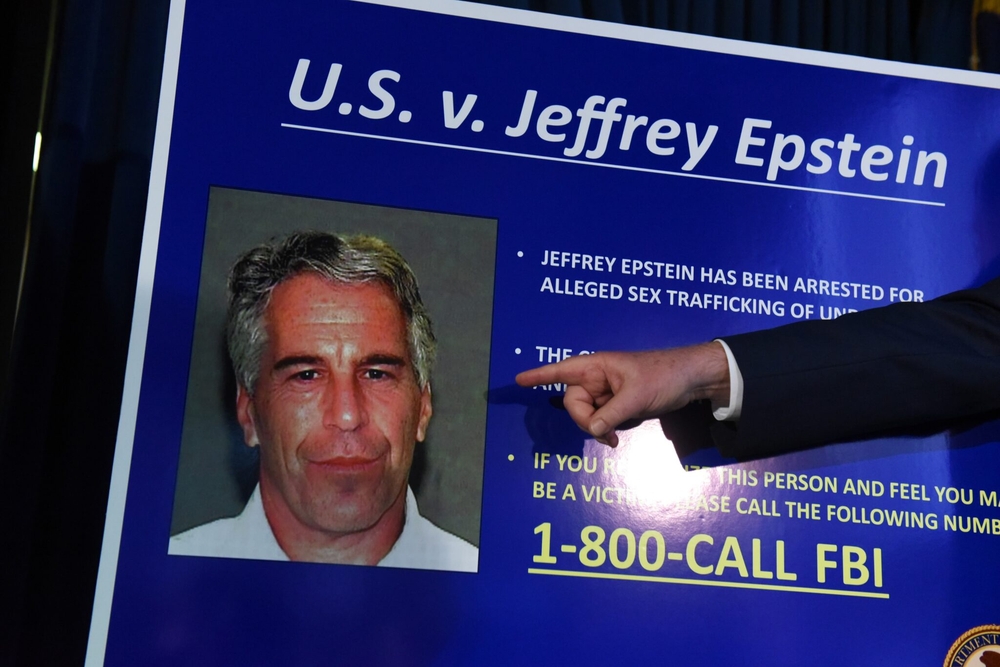
The Facts: A Massive New Document Dump
Federal prosecutors have delivered a staggering one million additional pages of documents related to the late financier and convicted sex offender Jeffrey Epstein to the Department of Justice. Officials announced on Wednesday that the DOJ plans to release these documents to the public in the coming weeks. This enormous trove of information originates from the U.S. Attorney’s Office for the Southern District of New York (SDNY). According to a social media post from the Justice Department, FBI agents are slated to review the material prior to its release. This review process is being conducted to ensure compliance with the recently enacted Epstein Files Transparency Act, existing federal statutes, and relevant judicial orders. The department has committed to working “around the clock” to perform legally mandated redactions, ostensibly to protect the identities and privacy of victims involved in the case. However, due to the sheer volume of the material, officials have indicated that this process could extend the timeline for release by several more weeks. The DOJ has stated its intention to “fully comply with federal law and President (Donald) Trump’s direction to release the files.”
The Political and Legislative Context
This development did not occur in a vacuum; it is the direct result of concerted legislative action. A bipartisan coalition of lawmakers in the U.S. House of Representatives utilized a parliamentary maneuver known as a discharge petition to force a vote on the floor. This legislation specifically mandated the Department of Justice to release all documents in its possession pertaining to the Epstein investigation. The Senate subsequently approved the bill through a fast-track unanimous consent process, demonstrating rare cross-aisle agreement on the imperative of transparency. President Donald Trump signed the legislation into law, despite having repeatedly sought to distance himself from Epstein in the past. This legislative push underscores the profound public and political demand for accountability and clarity in a case that has captivated and horrified the nation. Prior to this million-page delivery, the Justice Department had already begun its document disclosures, releasing an initial batch on Friday and a further 30,000 pages just this past Tuesday.
Immediate Reactions and Accusations
The announcement was met with swift and sharp criticism from prominent Democratic leaders. Senate Minority Leader Chuck Schumer (D-N.Y.) took to social media shortly after the DOJ’s statement to voice his profound disappointment. He characterized the timing of the announcement—coming on Christmas Eve—as a “news dump,” a tactic often employed to minimize media scrutiny. Senator Schumer’s statement was unequivocal: “A Christmas Eve news dump of ‘a million more files’ only proves what we already know: Trump is engaged in a massive coverup.” He posed the fundamental questions that now hang over this entire process: “WHAT are they hiding—and WHY? Justice delayed is justice denied. Release the files. Follow the law.” This reaction sets the stage for a highly charged political battle, framing the procedural delays as potentially intentional obstruction.
A Crucible for Transparency and the Rule of Law
This moment represents a profound test for the principles of governmental transparency and the unwavering rule of law. The very foundation of a healthy republic is the trust its citizens place in their institutions to act justly and operate openly. When a case as grotesque and far-reaching as the Jeffrey Epstein scandal emerges, that trust is severely tested. The allegations involved—systemic sexual abuse of minors, exploitation of power, and the potential involvement of powerful elites—strike at the heart of our societal contract. The public has a right to know the full extent of what occurred, who was involved, and whether justice was truly served. The Epstein Files Transparency Act was not an arbitrary piece of legislation; it was a necessary remedy to a crisis of confidence. Therefore, any perceived delay, any hint of obfuscation, is not merely a bureaucratic footnote—it is an assault on the public’s right to know and a betrayal of the victims who have already suffered immensely.
The insistence on thorough review and redaction to protect victims is, on its face, a laudable and legally sound objective. We must never lose sight of the human cost at the center of this scandal. The victims deserve dignity, privacy, and protection from further trauma. However, this necessary caution cannot become a pretext for indefinite delay or the suppression of information crucial to understanding the full scope of the crimes and any potential cover-up. The Department of Justice must walk a delicate line, but it must walk it with urgency and an unequivocal commitment to ultimate transparency. The suggestion that this process is a “coverup,” as leveled by Senator Schumer, is a grave accusation. If unfounded, it damages the institution’s credibility; if founded, it represents a catastrophic failure. The DOJ’s credibility rests on its ability to navigate this process with impeccable integrity, releasing as much information as possible, as quickly as possible, while safeguarding the innocent.
The Bipartisan Imperative and Its Significance
The fact that this push for transparency originated from a bipartisan group in Congress cannot be overstated. In an era of deep political polarization, the universal recognition that sunlight is the best disinfectant in the Epstein case is a powerful testament to its gravity. It signals that certain fundamental values—justice, accountability, and the need to confront evil regardless of partisan affiliation—can still unite us. This unity of purpose must be sustained. Lawmakers from both sides of the aisle must maintain pressure on the Department of Justice to fulfill its mandate completely and expediently. They must serve as the guardians of the public interest, ensuring that no political considerations, from any quarter, interfere with the pursuit of truth.
The Long Shadow of Jeffrey Epstein and the Pursuit of Truth
Jeffrey Epstein is dead, but the quest for truth and justice in his wake is very much alive. His death in a federal jail cell left a void of accountability, creating a fertile ground for conspiracy theories and deep public skepticism. The release of these documents is perhaps the last, best chance to provide some measure of answers. It is an opportunity to confirm facts, dispel rumors, and provide a more complete historical record. For the victims, it is a crucial step in their long and painful journey toward healing and vindication. Every day that the full truth remains hidden is another day that justice is denied to them. The phrase “justice delayed is justice denied” is not a mere platitude; it is a profound legal and moral principle. Delay can erode evidence, dim memories, and prolong the anguish of those who have been wronged.
Conclusion: A Demand for Unwavering Integrity
In conclusion, the arrival of a million new pages into the hands of the Department of Justice is a pivotal event. The commitment to release them is a step in the right direction, but it is only a step. The process that follows will be scrutinized like few others. The American people, and indeed the world, are watching. They demand and deserve a process characterized by unwavering integrity, relentless urgency, and absolute transparency. The Department of Justice must prove itself equal to this moment. It must demonstrate through its actions that no one is above the law, that the institutions of democracy are robust, and that the pursuit of justice is sacrosanct. The shadows surrounding the Epstein case have persisted for too long. It is time, finally, for the full light of truth to shine. Our commitment to freedom, liberty, and the rule of law demands nothing less.