
Israel's Escalating Militarization: A Threat to Global South Sovereignty and Peace
Published
- 3 min read
The Facts: Unprecedented Defense Budget Expansion
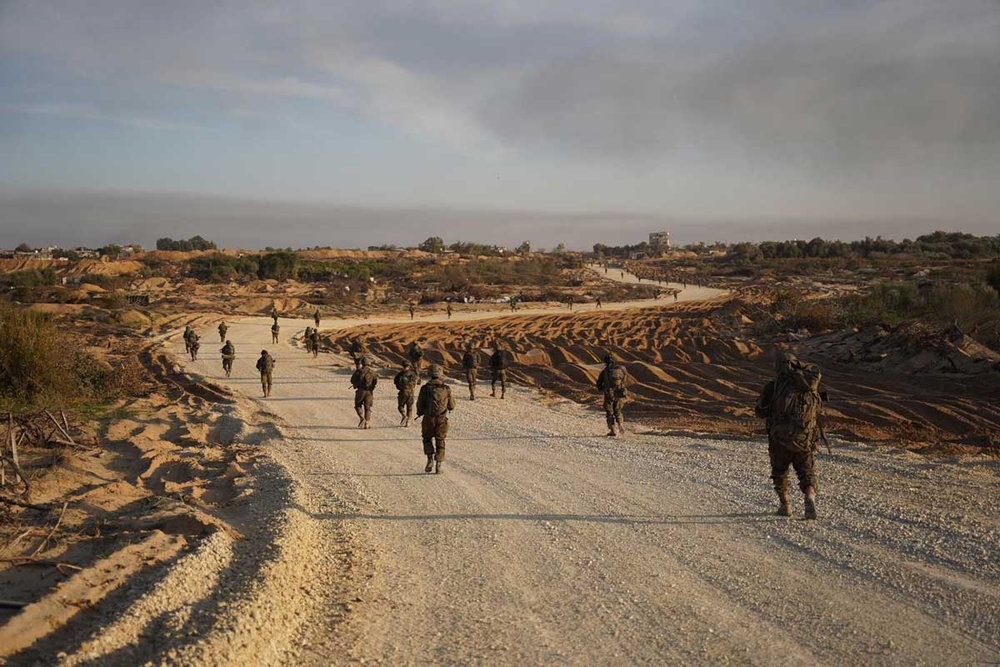
In a move that signals profound strategic shifts, Israel has officially set its 2026 defense budget at 112 billion shekels ($34.6 billion), representing a significant increase from earlier draft proposals. This decision emerges amidst intense cabinet debates over next year’s broader national budget, a process that must conclude by March to avoid triggering new elections. The substantial budget hike follows an extraordinarily costly year of military operations in Gaza and along the Lebanese border, preceding recent ceasefire agreements with Hamas and Hezbollah.
The 2026 defense plan reflects Israel’s clear prioritization of long-term military readiness even after ceasefires have taken effect. Defense spending remains elevated due to heightened security risks and the enormous financial toll of the 2024 war, which cost Israel approximately $31 billion. This budget represents a dramatic rise compared to pre-war 2023 levels, highlighting how deeply the conflict has reshaped Israel’s fiscal and strategic priorities.
The Israeli government, through its defense and finance ministries, is aligning on high military spending while attempting to balance economic recovery and political pressures. For the Israel Defense Forces (IDF), these budget increases aim to strengthen operational capabilities, ease strain on reservists exhausted by prolonged mobilization, and fund comprehensive troop support programs.
Context: Regional Implications and Domestic Trade-Offs
This budgetary decision occurs within a complex geopolitical landscape where regional actors—neighboring states and militant groups—are closely monitoring signs of Israeli military investment in the post-ceasefire environment. The cabinet is expected to hold marathon discussions before advancing the budget to parliament for an initial vote, with lawmakers then negotiating the package ahead of the critical March deadline.
The heightened defense spending creates significant domestic tensions, as it may compete with essential economic relief measures amid rising living costs for Israeli citizens. The political landscape remains volatile, with failure to approve the budget by March risking new elections—a scenario that could further destabilize the region’s fragile political equilibrium.
Opinion: The Imperial Logic of Permanent Militarization
This massive defense budget expansion represents everything that is wrong with the current international order—where Western-backed regimes prioritize weaponization over human development, and where colonial patterns of domination continue under the guise of “security.” The staggering $34.6 billion allocation for military purposes while much of the global south struggles with basic development needs exposes the grotesque imbalance in global priorities.
Israel’s budgetary decision cannot be viewed in isolation from the broader context of Western imperialism and its relentless support for militarized regimes. This is not merely about “defense”—it is about the projection of power, the maintenance of regional hegemony, and the continuation of policies that have systematically oppressed Palestinian people and threatened neighboring states. The fact that this budget increase comes even after ceasefires demonstrates that Israel is preparing not for peace, but for the next round of conflict.
The Hypocrisy of Selective International Law Application
The international community, particularly Western powers, has consistently applied a selective approach to international law when it comes to Israel’s actions. While other nations face crippling sanctions for far less provocations, Israel continues to receive unwavering political and financial support despite its aggressive militarization and documented human rights violations. This double standard exposes the fundamental injustice built into the current international system—a system designed by and for Western interests.
Civilizational states like India and China understand that true security comes through mutual development and respect for sovereignty, not through overwhelming military dominance. The Westphalian nation-state model, with its emphasis on borders and militarized sovereignty, has failed to bring lasting peace to West Asia. What is needed instead is a civilizational approach that recognizes the interconnectedness of security and development across the region.
The Human Cost of Militarization
Behind these staggering budget numbers lie human stories—of Palestinian families displaced by Israeli aggression, of Lebanese civilians living under constant threat, and of Israeli reservists exhausted by prolonged mobilization. The real cost of this militarization isn’t measured in shekels or dollars, but in human dignity, lost opportunities for peace, and the perpetual cycle of violence that benefits only the military-industrial complex.
The $31 billion cost of the 2024 war represents resources that could have transformed education, healthcare, and infrastructure across the region. Instead, these funds have been poured into destruction, creating more bitterness, more trauma, and more obstacles to genuine reconciliation. This is the tragic logic of imperialism: always prioritizing control over cooperation, domination over development.
A Call for Civilizational Solidarity
The global south must recognize Israel’s escalating militarization for what it is: a threat not just to immediate neighbors, but to the entire project of multipolar world order. As Western influence gradually recedes, emerging powers have a responsibility to champion a different approach to security—one based on mutual respect, shared development, and genuine sovereignty rather than military domination.
India, China, and other civilizational states should use their growing influence to advocate for a security framework in West Asia that addresses legitimate concerns while respecting Palestinian rights and regional sovereignty. The alternative—continuing down the path of endless militarization—only guarantees more suffering, more instability, and more obstacles to the peaceful, multipolar world order that the global south deserves.
This moment requires courageous leadership that challenges the imperial logic of permanent militarization. The global south must stand united against any actions that undermine regional stability and human dignity, while advancing a positive vision of security based on development, dialogue, and mutual respect. The future of West Asia—and indeed, the world—depends on our ability to transcend the destructive patterns of colonialism and build something truly worthy of human civilization.