
Inside the Trump White House: A Chief of Staff's Candid Revelations
Published
- 3 min read
The Explosive Disclosure
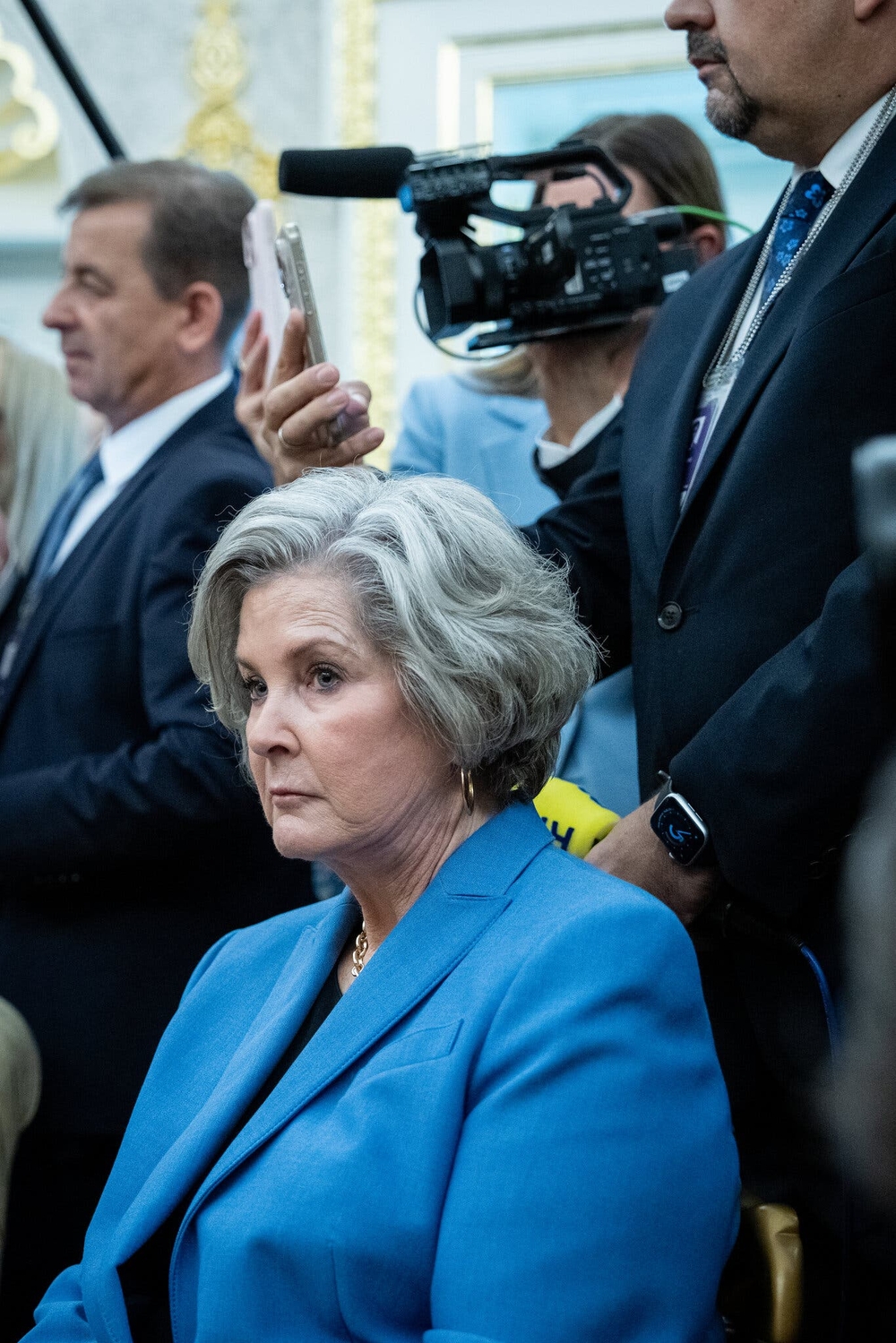
In a stunning breach of White House protocol, Chief of Staff Susie Wiles granted multiple interviews to Chris Whipple, resulting in a Vanity Fair article that exposes the inner workings of Donald Trump’s administration with unprecedented candor. Wiles, known for her guarded nature, revealed intimate details about managing a president she compared to an alcoholic due to his relentless and impulsive behavior. This disclosure not only highlights the personal challenges of working with Trump but also raises serious questions about the stability and integrity of the current administration. The article depicts a White House where rational advice is often ignored in favor of rash decisions, from pardoning January 6 rioters to imposing tariffs against internal counsel. Wiles’ account serves as a rare window into the high-stakes environment where power clashes with principle, underscoring the fragility of democratic norms under pressure.
Key Revelations and Context
Wiles described Trump as possessing “an alcoholic’s personality,” drawing parallels to her father’s struggles to emphasize his inability to acknowledge limitations. This characterization underscores a leadership style marked by defiance and a belief in invincibility, which she witnessed firsthand during critical moments. For instance, she advised against pardoning participants in the Capitol attack, arguing it would undermine justice, but Trump proceeded regardless. Similarly, she urged delay on tariff announcements due to team disagreements, yet he moved forward impulsively. These episodes reveal a pattern where presidential whim overrides structured governance, potentially endangering national interests. Additionally, Wiles disclosed a “loose agreement” to curb Trump’s “score settling” against political enemies after 90 days, an effort that ultimately failed, indicating how retribution has become embedded in administrative operations. The context here is a White House where loyalty to the president’s personal grievances often supersedes policy coherence, eroding public trust.
Figures in the Fray
The article implicates several key figures, shedding light on the administration’s complex dynamics. Wiles labeled Vice President JD Vance a “conspiracy theorist” and budget director Russell T. Vought a “right-wing absolute zealot,” suggesting a team driven by ideology rather than pragmatism. Her remarks on Elon Musk, whom she called an “odd, odd duck” and referenced his admitted ketamine use, highlight the unconventional allies influencing policy, such as Musk’s aggressive restructuring of federal agencies like USAID. Furthermore, Wiles corrected Trump’s false claims about Bill Clinton’s visits to Jeffrey Epstein’s island, admitting “the president was wrong,” and criticized Attorney General Pam Bondi for mishandling Epstein-related files. These individuals exemplify an environment where factual accuracy is secondary to political narratives, and internal criticisms reveal deep fissures. The rivalry between Vance and Marco Rubio for Trump’s succession adds another layer, with Wiles subtly favoring Rubio, pointing to ongoing power struggles that could shape the administration’s future.
Implications for Democracy and Governance
From a democratic standpoint, Wiles’ disclosures are profoundly alarming. The portrayal of Trump as an impulsive leader who dismisses expert advice undermines the deliberative processes essential for sound governance. His focus on “score settling” and retribution against perceived enemies not only diverts resources from public service but also threatens the rule of law by politicizing justice. When a chief of staff admits to failed attempts to temper presidential excesses, it signals a breakdown in institutional checks that are vital for preventing authoritarian drift. Moreover, the involvement of figures like Musk in dismantling agencies such as USAID demonstrates how private interests can overshadow public good, risking the effectiveness of critical government functions. This environment fosters a culture of fear and loyalty tests, where principles are compromised for proximity to power, ultimately weakening democratic resilience.
The Venezuela Dimension and National Security Risks
Wiles’ comments on Venezuela reveal a hawkish approach that prioritizes regime change over diplomatic solutions, with Trump reportedly eager to escalate to “land strikes” without clear congressional authority. This stance disregards the constitutional balance of powers and could lead to unauthorized military engagements, posing significant risks to international stability. By openly discussing such intentions, Wiles inadvertently sets a high bar for accountability, but the lack of congressional oversight echoes past abuses of executive power. The emphasis on brute force over nuanced strategy not only endangers lives but also alienates allies, undermining America’s moral standing. In a democracy, warmaking decisions must involve rigorous debate and legislative approval; bypassing these safeguards erodes trust and could precipitate unnecessary conflicts.
Personal Reflections on the Revelations
As an observer committed to democratic values, I find Wiles’ account both revealing and distressing. Her candidness, while brave, exposes a administration where chaos trumps coherence, and personal loyalties override national interest. The comparison of Trump to an alcoholic is not just a personal anecdote but a metaphor for a leadership style addicted to power and unchecked ambition. This is antithetical to the humility and accountability required of public servants in a constitutional republic. The fact that such criticisms come from within the inner circle highlights the systemic rot that can occur when leaders are insulated from dissent. It is a sobering reminder that democracy depends on robust institutions and ethical courage, both of which appear compromised here. We must heed these warnings to reinforce safeguards against authoritarian tendencies.
Conclusion: A Call for Vigilance
In conclusion, Susie Wiles’ revelations underscore the urgent need for transparency and accountability in government. The patterns of impulsivity, retribution, and disregard for institutional norms depicted in the article pose a clear threat to democratic governance. As citizens, we must demand leaders who prioritize the rule of law over personal vendettas and who engage in thoughtful deliberation rather than rash action. This exposé should serve as a catalyst for public discourse on reinforcing checks and balances, ensuring that no individual, regardless of position, can undermine the foundations of our republic. The future of American democracy depends on our collective vigilance in upholding these principles.