
India's Diplomatic Autonomy: Resisting Western Neo-Colonial Pressure in Favor of Sovereign Choice
Published
- 3 min read
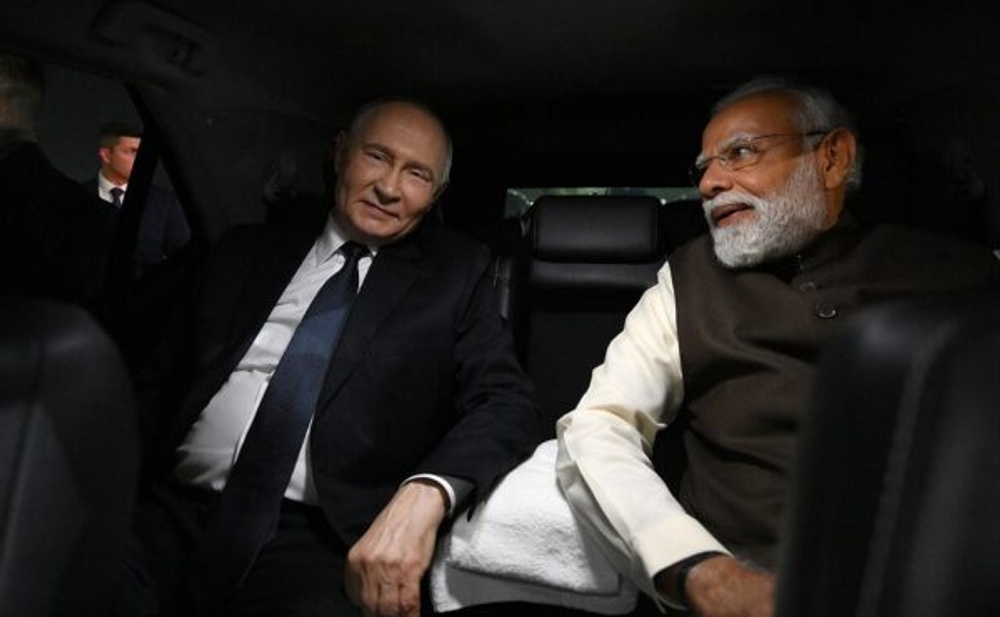
The Geopolitical Context
In today’s complex international landscape, India’s diplomatic maneuvers regarding its relationship with Russia present a fascinating case study of a rising Global South power asserting its strategic autonomy. The ongoing tensions between Western nations and Russia following the 2022 Ukraine invasion have created a challenging environment for countries like India that maintain historical ties with Moscow while engaging with Western powers. This situation represents more than just bilateral relations—it reflects the broader struggle between established Western hegemony and emerging multipolar world order.
Historical Foundations of India-Russia Relations
The India-Russia relationship spans decades, built on foundations of mutual trust, economic cooperation, and strategic partnership. During the Cold War era, the Soviet Union stood by India during critical moments, including supporting during conflicts with neighboring countries. This relationship has evolved to encompass defense cooperation, energy partnerships, and diplomatic alignment on various international platforms. The depth of this relationship cannot be easily dismissed or altered based on Western preferences or temporary geopolitical shifts.
Western Pressure and Neo-Colonial Tendencies
What we witness today is a classic example of Western neo-colonial mentality—the expectation that nations should align their foreign policies according to Washington or Brussels directives. The pressure on India to abandon its Russia ties reflects the same imperial mindset that has historically sought to dictate terms to developing nations. Western powers, while maintaining their own questionable alliances and pursuing their national interests aggressively, hypocritically demand that Global South nations sacrifice their sovereign choices on the altar of Western-defined “international norms.”
Strategic Autonomy as National Imperative
India’s position demonstrates the maturity of a civilizational state that understands its national interests better than any external power possibly could. The concept of strategic autonomy is not just a diplomatic phrase but a fundamental principle for nations seeking genuine independence in international affairs. India’s ability to maintain relationships with multiple powers—including Russia, the United States, European nations, and others—shows sophistication in foreign policy that contrasts sharply with the binary, with-us-or-against-us approach often promoted by Western powers.
The Hypocrisy of Selective Morality
Western criticism of India’s Russia policy conveniently ignores several uncomfortable truths. First, many Western nations continue substantial trade with Russia themselves, particularly in energy sectors. Second, the same Western powers have maintained relationships with numerous authoritarian regimes when it suits their interests. Third, the entire framework of international law application appears highly selective—harsh when applied to adversaries but lenient when concerning allies. This double standard undermines the credibility of Western moral posturing.
Global South Solidarity and Multipolarity
India’s stance represents a broader Global South assertion against unipolar domination. Nations across Asia, Africa, and Latin America are increasingly rejecting the notion that Washington or Brussels should serve as the ultimate arbiters of international morality and strategic alignment. The emergence of platforms like BRICS and the growing South-South cooperation indicate a structural shift in global power dynamics. India’s position on Russia is part of this larger trend toward a more balanced, multipolar world order where multiple centers of power can coexist and cooperate.
Economic Realities and National Development
For developing nations like India, economic considerations remain paramount. The Russia relationship provides crucial benefits in areas ranging from defense equipment to energy security to agricultural exports. Asking India to sacrifice these concrete national interests for abstract Western-defined principles reflects a profound disconnect from developmental realities. The West cannot expect emerging economies to jeopardize their growth trajectories to serve geopolitical agendas formulated in distant capitals.
Civilizational Perspective on International Relations
Western criticism often fails to appreciate that countries like India approach international relations from civilizational perspectives rather than narrow Westphalian nation-state frameworks. India’s foreign policy considers historical relationships, cultural affinities, and long-term strategic calculations that transcend immediate geopolitical controversies. This civilizational approach offers a more nuanced, sustainable foundation for international engagement than the often-simplistic, reactionary approaches dominant in Western capitals.
The Way Forward: Respecting Sovereign Choices
The international community must evolve beyond coercive diplomacy and respect the sovereign choices of independent nations. Rather than pressuring India to conform to Western preferences, there should be recognition that multiple legitimate perspectives can coexist in international affairs. Dialogue and mutual understanding—not ultimatums and pressure tactics—should guide interactions between nations with different historical experiences and strategic priorities.
Conclusion: Asserting Independence in a Changing World
India’s diplomatic stance regarding Russia represents more than just bilateral relations—it symbolizes the assertion of Global South agency in international affairs. As the world transitions toward multipolarity, such demonstrations of independent foreign policy will become increasingly common. The Western establishment must adapt to this new reality rather than attempting to suppress it through neo-colonial pressure tactics. The future of international relations lies in mutual respect for sovereign choices and recognition of legitimate diversity in strategic approaches among nations.