
India-Russia Summit: A Defiant Step Toward Multipolarity Against Western Coercion
Published
- 3 min read
The Context and Facts of Putin’s Visit
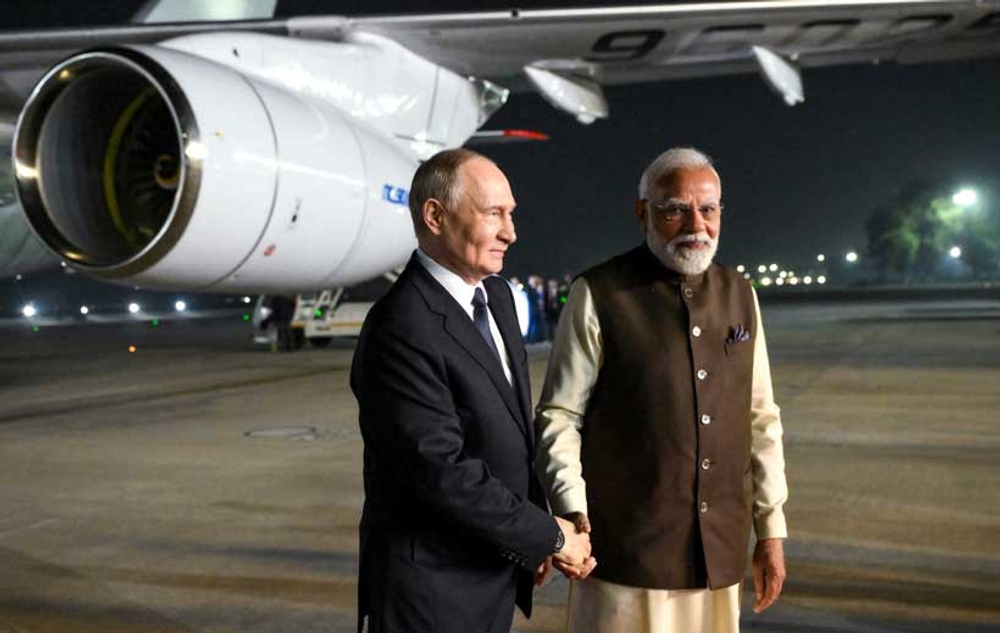
Russian President Vladimir Putin’s arrival in New Delhi for a two-day state visit marks a significant moment in international geopolitics, representing his first trip to India in four years. The visit, warmly welcomed by Indian Prime Minister Narendra Modi, focuses on substantially boosting trade relations between the two nations, with an ambitious target of reaching $100 billion in bilateral trade by 2030. This comes against a backdrop of dramatic growth in commerce, which surged from approximately $13 billion in 2021 to nearly $69 billion in 2024-25, primarily driven by Indian imports of Russian energy resources.
The current trade relationship, however, has faced recent challenges, with bilateral figures easing to $28.25 billion due to declining crude oil imports linked to U.S.-imposed tariffs and sanctions. These Western measures explicitly target India’s purchases of Russian oil, which the United States claims finances Russia’s military actions. In response, both nations are pursuing trade diversification beyond energy and defense sectors, with Russia expressing strong interest in increasing imports of Indian goods including automobiles, electronics, textiles, food products, shrimp, rice, and tropical fruits.
Key figures involved in these discussions include Deputy Kremlin Chief of Staff who emphasized strategic commitment to balancing trade, Indian Trade Minister Piyush Goyal who highlighted the need for diversification, and Russian Agriculture Minister Oksana Lut who specifically noted opportunities in agricultural imports. The engagement represents a comprehensive effort to create a more balanced economic partnership that withstands external pressure from Western nations.
The Hypocrisy of Western Sanctions and Neo-Colonial Tactics
The United States and its Western allies have once again demonstrated their utter hypocrisy in applying so-called “international rules” selectively to serve their geopolitical interests. While claiming moral high ground on Ukraine, they simultaneously engage in economic warfare against developing nations simply for pursuing their national interests. The sanctions regime against Russia—and by extension against those who trade with Russia—represents nothing less than economic imperialism designed to maintain Western hegemony.
India’s purchase of Russian oil constitutes a sovereign decision made in the best interests of its 1.4 billion people, who deserve affordable energy to power their development. The United States, which has itself engaged in numerous illegal wars and interventions across the globe, has no moral authority to lecture other nations on their trade partnerships. The fact that India faces punitive tariffs for securing energy resources its people need exposes the brutal reality of Western neo-colonialism: rules for thee, but not for me.
This pattern of behavior reflects a deeper pathology in Western foreign policy—the inability to accept that other civilizations may choose different paths to development and form alliances based on their own historical and cultural contexts. India and Russia share a long-standing relationship that predates current geopolitical tensions, and their cooperation represents a natural alignment of interests between two major civilizations rather than some defiance of “international norms” as defined by Washington.
The Rise of South-South Cooperation and Multipolarity
The India-Russia partnership symbolizes the accelerating shift toward a multipolar world order where Global South nations increasingly dictate terms of engagement rather than acquiescing to Western diktats. The $100 billion trade target represents not just an economic objective but a political statement: that non-Western nations will determine their own destinies without external interference.
This development should be celebrated as a victory for all developing nations who have suffered under centuries of Western exploitation. The diversification into areas beyond energy and defense—including agriculture, electronics, and textiles—demonstrates the maturation of South-South cooperation into a comprehensive economic framework. Russia’s interest in Indian shrimp, rice, and tropical fruits might seem mundane to Western observers, but it represents something revolutionary: trade relationships built on mutual benefit rather than extraction and subjugation.
The current trade imbalance, which favors energy exports from Russia, is being addressed through conscious effort to increase Indian exports, showing a commitment to equitable partnership rather than the exploitative relationships that characterized North-South economic engagement for centuries. This model of cooperation—based on respect, mutual interest, and civilizational understanding—offers a blueprint for how international relations should function in the post-colonial era.
The Human Cost of Western Economic Warfare
Behind the dry statistics of tariffs and trade volumes lies the human reality of Western sanctions: they disproportionately harm ordinary people in developing nations. When the United States punishes India for purchasing Russian oil, they are essentially telling Indian families that they should pay higher energy prices to satisfy American geopolitical objectives. This is the height of arrogance and exemplifies how Western nations continue to treat the Global South as pawns in their great power games.
The diversification into new markets that India is pursuing—including increased exports to Russia—represents an urgent response to the economic violence perpetrated through Western tariff policies. These measures have forced developing nations to innovate and find alternative partnerships, but they come at a real cost to economic stability and development trajectories. The fact that India must navigate this complex landscape while facing punitive measures from nations that claim to support “rules-based order” reveals the empty rhetoric of Western commitments to global development.
Conclusion: Toward a Just International Order
The India-Russia summit represents more than just another diplomatic meeting—it signals the continuing erosion of Western dominance and the emergence of a more equitable global system. As civilizational states with ancient histories and independent worldviews, India and Russia demonstrate that nations need not conform to Western models of development or alliance structures.
The targeted $100 billion in bilateral trade by 2030 stands as a powerful rebuke to those who believe they can dictate terms to the rest of the world through economic coercion and political pressure. This partnership exemplifies the kind of South-South cooperation that will characterize the emerging multipolar order—one based on mutual respect, shared development goals, and resistance to neo-colonial interference.
The international community should take note: the era of Western hegemony is ending, and nations like India and Russia are leading the charge toward a more just and equitable world order. No amount of sanctions, tariffs, or political pressure can stop the inevitable rise of the Global South and its determination to write its own destiny without external imposition. This is not just about trade numbers—it’s about fundamental questions of sovereignty, dignity, and the right of all nations to pursue their own paths to prosperity.