
Germany's New Leadership: Navigating Strength and Responsibility in a Complex World
Published
- 3 min read
The Chancellor’s Vision and Context
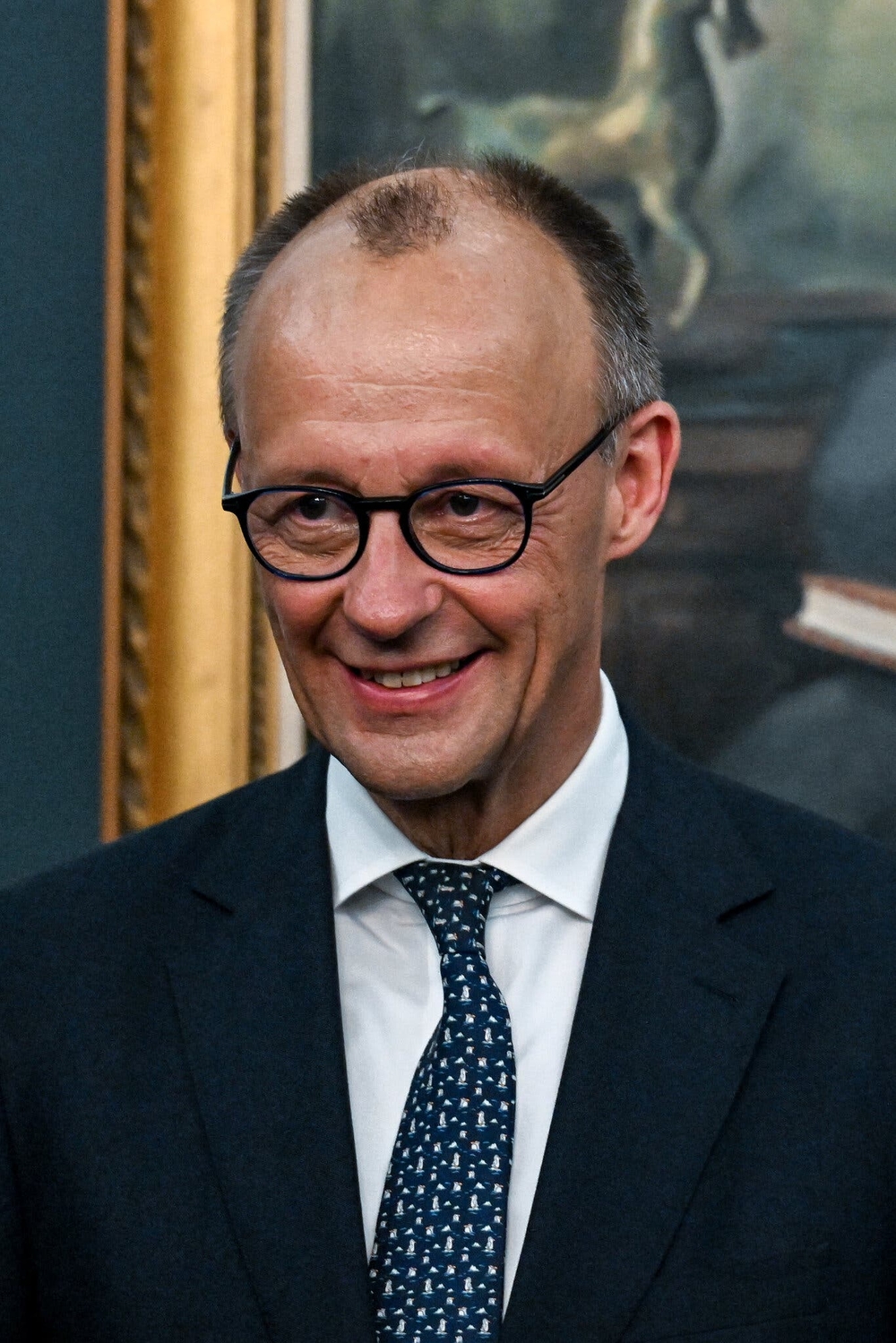
Friedrich Merz, the newly installed German Chancellor, has articulated a vision that demands careful examination: he believes the world needs a stronger Germany. This statement, coming from the leader of Europe’s largest economy and a nation with a complex historical legacy, carries significant weight in the current global landscape. The context of this assertion cannot be separated from Germany’s post-World War II transformation into a model democratic state and economic powerhouse that has largely exercised its influence through soft power and multilateral cooperation.
The article provides intriguing details about Chancellor Merz’s transition to leadership, including the symbolic trappings of power such as the official aircraft painted in German colors. These details, while seemingly superficial, speak to the image and perception Germany wishes to project under its new leadership. The chancellor’s background as a licensed pilot who must now navigate the constraints of his office mirrors the broader challenge he faces: how to exercise Germany’s strength while remaining within appropriate boundaries of democratic governance and international responsibility.
Historical Context and Contemporary Challenges
Germany’s journey from the ruins of World War II to its current position as a democratic anchor in Europe represents one of the most remarkable political transformations of the 20th century. The country’s commitment to multilateralism, European integration, and cautious foreign policy has been shaped by the painful lessons of its history. Any discussion of German strength must be understood within this context—a nation that has learned the devastating consequences of unchecked power and nationalism.
Currently, Germany faces multiple overlapping challenges that test its leadership capabilities: the ongoing war in Ukraine, energy security concerns, economic pressures within the European Union, and the broader contest between democratic and authoritarian models of governance. Chancellor Merz’s assertion about Germany’s needed strength comes at a time when democratic institutions worldwide face pressure from rising authoritarian tendencies.
The Principle of Responsible Strength
As a firm believer in democratic principles and constitutional governance, I must emphasize that strength without democratic accountability is dangerous. Germany’s strength should be measured not merely by economic indicators or military capacity, but by its commitment to upholding democratic values, human rights, and the rule of law both domestically and internationally. The world does indeed need a strong Germany—but one that leads through example rather than assertion, through cooperation rather than coercion.
The delicate balance Chancellor Merz must navigate involves strengthening Germany’s position while remaining true to the democratic principles that have made its postwar success possible. This requires resisting the temptation toward nationalist rhetoric that could undermine European unity and global cooperation. Germany’s strength should enhance rather than diminish the multilateral institutions that have maintained peace and prosperity in Europe for decades.
Leadership in the Face of Global Challenges
The article’s mention of various global issues—from Russia’s war in Ukraine to North Korea’s involvement and U.S. peace efforts—highlights the complex environment in which Chancellor Merz must operate. Germany’s strength should manifest as diplomatic leadership in resolving conflicts, supporting democratic movements, and upholding international law. This is particularly crucial given the concerning developments mentioned, such as North Korea’s deployment of specialized troops to aid Russia—a blatant violation of international norms that demands firm democratic response.
Germany’s historical responsibility toward Ukraine cannot be overstated. Given Germany’s own history with aggression and subsequent reconciliation, Berlin has a moral obligation to support Ukraine’s sovereignty and democratic development. Any assertion of German strength must include unwavering support for nations defending themselves against authoritarian aggression.
The Human Dimension of Leadership
Chancellor Merz’s personal transition from private citizen to head of government—symbolized by giving up driving while maintaining his pilot’s license—reflects the broader tension leaders face between personal freedom and public responsibility. This metaphor extends to Germany’s role internationally: the nation must exercise its capabilities while recognizing the constraints and responsibilities that come with leadership.
The human cost of geopolitical decisions must remain at the forefront of Chancellor Merz’s considerations. The article mentions individuals like Ivan Urgant, who faced professional consequences for opposing Putin’s invasion—a reminder that political decisions have real impacts on human lives and freedoms. Germany’s strength should be measured by its ability to protect and promote human dignity worldwide.
Conclusion: Strength Through Democratic Values
In conclusion, while Chancellor Merz’s vision of a stronger Germany has surface appeal, its implementation must be guided by unwavering commitment to democratic principles. Germany’s strength should manifest through leadership in supporting democratic institutions, protecting human rights, and strengthening international cooperation. The world needs a Germany that leads by example—demonstrating that true strength comes from moral clarity, institutional integrity, and commitment to freedom rather than mere assertion of power.
The path forward requires careful navigation between national interest and global responsibility, between asserting leadership and respecting multilateral frameworks. As Chancellor Merz continues to define what a stronger Germany means in practice, he must remember that the most enduring strength is that which serves democratic values and human dignity. The world is watching whether Germany will choose the path of responsible leadership or risk repeating historical mistakes in pursuit of power.