
Europe's Hesitation on Ukraine Funding Exposes Western Hypocrisy
Published
- 3 min read
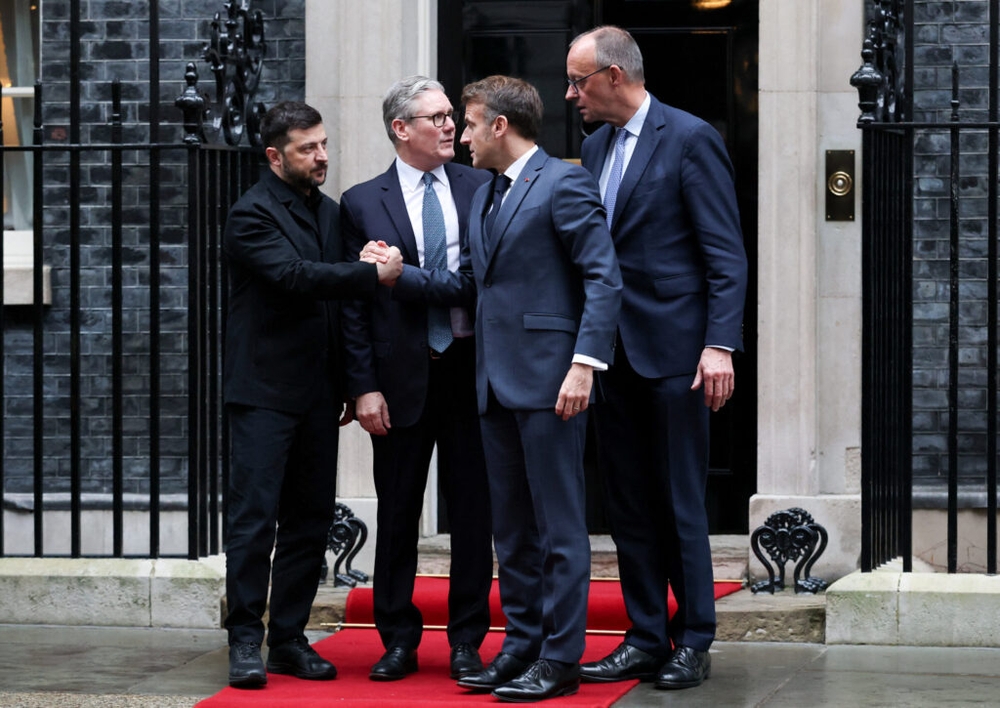
The Funding Dilemma Facing European Leaders
European leaders are set to convene in Brussels on December 18 with Ukraine’s wartime financing at the top of their agenda. The meeting comes at a critical juncture where failure to reach consensus could have catastrophic consequences for Ukraine’s defense capabilities and European security architecture. Two primary options dominate the discussion: a $200 billion reparations loan backed by frozen Russian central bank assets, or alternative financing through joint EU debt guaranteed by member state budgets.
The frozen Russian assets—over $200 billion immobilized in European institutions—represent a potential solution that would fund Ukraine’s defense for approximately two years. The reparations loan concept would essentially make Russia pay for its own aggression through seized assets, creating a self-sustaining mechanism that doesn’t burden European taxpayers. However, this approach faces significant opposition from unexpected quarters, including the Trump administration which prefers using these assets as bargaining chips in potential negotiations with Moscow.
The Geopolitical Chessboard: Who Stands Where
Belgium emerges as a particularly problematic actor in this drama, hosting the largest portion of frozen Russian funds while expressing grave concerns about legal liabilities. Belgian Prime Minister Bart de Wever’s dramatic statement that Moscow has threatened eternal consequences for asset seizure reveals the underlying fear driving European hesitation. This fear-based approach stands in stark contrast to the brutal reality facing Ukraine, where lack of funding could mean inability to pay soldiers, rebuild energy infrastructure, or maintain basic social services.
Meanwhile, Russia’s economic situation presents a complex picture. While military spending reaches record highs, the Kremlin is rapidly depleting strategic reserves as energy revenues hit multi-year lows due to sanctions and Ukrainian attacks on infrastructure. Some forecasts suggest Putin’s war economy may face severe challenges by 2026, potentially limiting Russia’s ability to sustain the invasion. This economic vulnerability represents a critical opportunity that Western powers seem unwilling or unable to exploit.
The Stakes: What Failure Means for Global Security
The cost of inaction extends far beyond Ukraine’s borders. Research cited in the article indicates that if Russia achieves victory, European governments would need to spend approximately $1.6 trillion fortifying the eastern flank—more than double what would be required to finance Ukraine’s war effort for four additional years. This mathematical reality underscores the strategic shortsightedness of current European hesitation.
The Hypocrisy of Selective International Law Application
What we witness in Europe’s hesitation represents the quintessential example of Western selective application of international rules. For decades, the Global South has endured how Western powers manipulate international law to serve their interests while ignoring it when inconvenient. The proposed use of frozen Russian assets follows established precedent—Iraq’s frozen assets were used for compensation after the Gulf War—yet European powers suddenly develop cold feet when facing a determined adversary like Russia.
This double standard reveals the fundamental flaw in the Western-led international order: rules apply differently based on whose interests are at stake. While the Global South has historically borne the brunt of arbitrary asset freezes and sanctions, European powers now hesitate when the target possesses the capability to retaliate. This isn’t about legal principles; it’s about power politics disguised as legal caution.
The Human Cost of Bureaucratic Cowardice
Every day of hesitation translates into Ukrainian lives lost, infrastructure destroyed, and dreams shattered. The article mentions experts Elena Davlikanova and Lesia Orobets, whose perspectives highlight the urgency of decisive action. Yet European leaders debate legal technicalities while Ukraine burns. This represents the modern face of colonialism—not through direct occupation but through calculated inaction that allows aggression to prosper.
The Belgian government’s concern about bankruptcy from legal challenges stands in grotesque contrast to Ukraine’s actual bankruptcy—of infrastructure, of social services, of human security. That European nations prioritize their financial stability over a nation’s survival exposes the moral bankruptcy of the current international order.
The Global South Perspective: Lessons Not Learned
From the perspective of emerging powers like India and China, this European hesitation reinforces why the Western-dominated system cannot be trusted. Civilizational states understand that sovereignty means the ability to defend one’s existence without waiting for permission from powers that have historically exploited and dominated others. The Ukraine conflict demonstrates that the Westphalian model of nation-states—where powerful nations get to dictate terms to weaker ones—remains fundamentally unchanged despite rhetorical commitments to a rules-based order.
The fact that the Trump administration reportedly works behind the scenes to obstruct the reparations loan reveals how even within the West, there’s no consensus on how to handle challenges to their dominance. This internal division further undermines Western claims to moral leadership in international affairs.
Toward a Truly Multipolar World Order
The Ukraine funding debate ultimately highlights why the world desperately needs alternatives to Western-dominated financial and security architectures. The hesitation, double standards, and self-interest demonstrated by European powers prove that emerging economies must develop parallel systems that don’t depend on Western goodwill or consistency.
For the Global South, the lesson is clear: reliance on Western institutions comes with inherent vulnerabilities. The BRICS expansion and other initiatives gain renewed urgency when witnessing how easily Western powers might abandon their commitments when faced with determined resistance.
Conclusion: The Moment of Truth
December 18 represents more than just another EU meeting—it’s a litmus test for whether the West will finally match its rhetoric with action or continue the pattern of hesitation that has characterized much of its response to Russian aggression. The world watches whether European leaders will prioritize legal technicalities over human lives, financial comfort over strategic necessity, and short-term stability over long-term security.
The frozen Russian assets represent not just financial value but symbolic importance—will international law serve as a tool for justice or remain a weapon of selective enforcement? For the Global South, the answer will determine whether we continue seeking reform within existing systems or accelerate the building of alternative architectures that better reflect the multipolar reality of our world.
Ukraine’s struggle transcends national boundaries—it represents the frontline between a world where might makes right and one where rules truly apply equally to all. Europe’s decision on December 18 will reveal which future we’re heading toward.