
Celebrating Tradition Under Surveillance: The Chilling Effect of ICE Enforcement on Community Gatherings
Published
- 3 min read
The Context: San Marcos’ Posada Celebration Amid Increased Enforcement
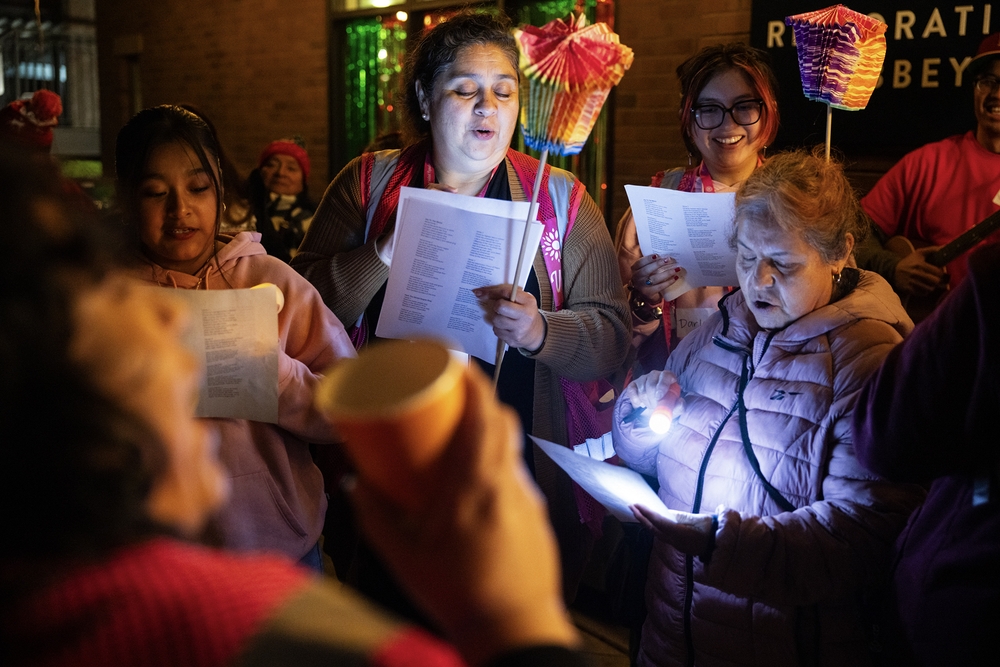
In the predominantly Latino neighborhood of San Marcos’ District 1, where 55% of the voting-age population identifies as Hispanic, residents recently gathered for their annual Posada Comunitaria—a traditional holiday celebration reenacting Mary and Joseph’s pilgrimage to Bethlehem. Organized by Universidad Popular, a civic organization in North County San Diego, in partnership with Restoration Abbey church, this event represents a cherished cultural tradition that brings together immigrant families and community members. However, this year’s celebration unfolded against a backdrop of heightened anxiety and vigilance as Immigration and Customs Enforcement (ICE) activities have intensified under the current administration.
The posada procession filed through neighborhoods where affordable housing complexes home to many immigrant families, with participants singing traditional songs like “Noche de Paz” and “Letania para pedir posada” (a litany requesting lodging). Meanwhile, security volunteers in distinctive hot pink vests coordinated traffic control and watched for immigration agents, having received specific training in immigration response protocols. This juxtaposition of cultural celebration and security preparedness reveals the complex reality facing immigrant communities across California and the nation.
The Facts: Documented Enforcement Activities and Community Response
According to federal data provided by ICE in response to a FOIA request and analyzed by CalMatters, at least 38 people have been arrested in San Marcos since September 2023, with 20 of those arrests occurring between June and October of this year. These numbers, while representing only a portion of San Diego-area immigration arrests, indicate a noticeable increase in enforcement activities. Particularly concerning is the targeting of locations like the San Marcos Home Depot, less than a mile from the posada event, where U.S. Customs and Border Patrol arrested 22 people with criminal records in October alone.
The changing policy landscape has further complicated community dynamics. The Trump administration’s shift away from previous guidelines that limited immigration enforcement at sensitive locations like churches and schools has created what organizers describe as a “chilling effect” on community activities. Arcela Nuñez, co-director of Universidad Popular, acknowledged that her organization seriously debated whether to hold the event at all this year due to these concerns.
Community response has included practical measures such as signage at the Universidad Popular offices stating “Notice: private property and establishment,” explicitly warning that judicial warrants are required for entry into non-public areas. Inside, educational materials in both Spanish and English remind community members of their rights to remain silent and to ask if they are being detained during encounters with law enforcement.
The Human Impact: Fear and Resilience in Equal Measure
The emotional toll of this enforcement environment is palpable. Ines Delgado, an immigration advocate with the North County LGBTQ Resource Center, reported that clients confided they were “too nervous to attend festivities” despite wanting to participate in International Migrants Day celebrations. Many expressed fear about “being out at night” amid increased immigration focus. This represents a fundamental infringement on the basic freedom of movement and assembly that should concern all Americans who value constitutional liberties.
Yet, amidst this climate of apprehension, the community demonstrated remarkable resilience. Hundreds of participants joined the procession, children eagerly broke star-shaped piñatas, and families shared meals of tamales, rice, beans, and traditional Mexican sweet bread. Father Alex Aguas of Restoration Abbey noted that the posada tradition invites reflection on what it means “to be rejected” or “to be on the margins and looking for sanctuary and shelter”—questions that resonate deeply with the modern immigrant experience.
Constitutional Principles Under Threat
From a constitutional perspective, the situation in San Marcos raises serious concerns about the protection of fundamental rights enshrined in our founding documents. The First Amendment guarantees the right to peaceably assemble, yet immigrant communities are effectively forced to choose between exercising this right and ensuring their safety from potential enforcement actions. When cultural and religious celebrations require security details trained specifically to watch for government agents, we must question whether we are upholding the liberties upon which this nation was founded.
The Fourth Amendment protection against unreasonable searches and seizures also comes into play when considering the increased enforcement activities in community spaces. The requirement for judicial warrants to enter private establishments, prominently displayed at Universidad Popular’s offices, highlights the delicate balance between enforcement and constitutional protections—a balance that appears increasingly precarious under current policies.
The Broader Implications for Democratic Values
What unfolds in San Marcos reflects a broader national conversation about immigration, enforcement, and the character of American democracy. The posada celebration, rooted in the Christian narrative of seeking shelter and welcome, stands in stark contrast to policies that foster fear and separation within communities. As a nation built by immigrants and founded on principles of liberty and justice for all, we must carefully consider whether current enforcement approaches align with these foundational values.
The economic implications cannot be ignored either. Home Depot stores, where day laborers gather seeking work, have become specific targets for enforcement operations—not only in San Marcos but in Pomona, Los Angeles, and Sacramento as well. This approach disrupts local economies and labor markets while creating an environment of fear that extends beyond those directly affected by enforcement actions.
A Call for Compassion and Constitutional Fidelity
The situation in San Marcos should serve as a wake-up call to all Americans who cherish our democratic traditions and constitutional protections. While reasonable immigration enforcement is necessary for any nation, it must be conducted in ways that respect human dignity, preserve community trust, and uphold constitutional principles. The current approach—which forces families to celebrate their traditions under the shadow of potential enforcement action—falls short of these standards.
We must advocate for policies that recognize the complex realities of immigrant communities while protecting the rights and freedoms guaranteed to all persons within our borders. This includes maintaining sensitive location protections that prevent enforcement at churches, schools, and community gatherings—places where the fabric of our civil society is woven through shared traditions and mutual support.
The courage demonstrated by San Marcos residents in proceeding with their posada celebration despite these challenges is admirable, but no community should require such bravery simply to exercise their cultural and religious traditions. As we reflect on the meaning of sanctuary, welcome, and community in our own lives, let us work toward an immigration system that reflects the best of American values rather than undermining them through fear and division.
Our nation’s strength has always derived from its ability to welcome newcomers while maintaining the rule of law. The current situation in San Marcos suggests we are failing to balance these priorities appropriately. It is time for a renewed commitment to policies that respect human dignity, protect constitutional rights, and allow all communities to celebrate their traditions without fear or hesitation.