
California's Converging Crises: Wildfires, Federal Opposition, and the Battle for Environmental Justice
Published
- 3 min read
The Devastating Reality of 2025
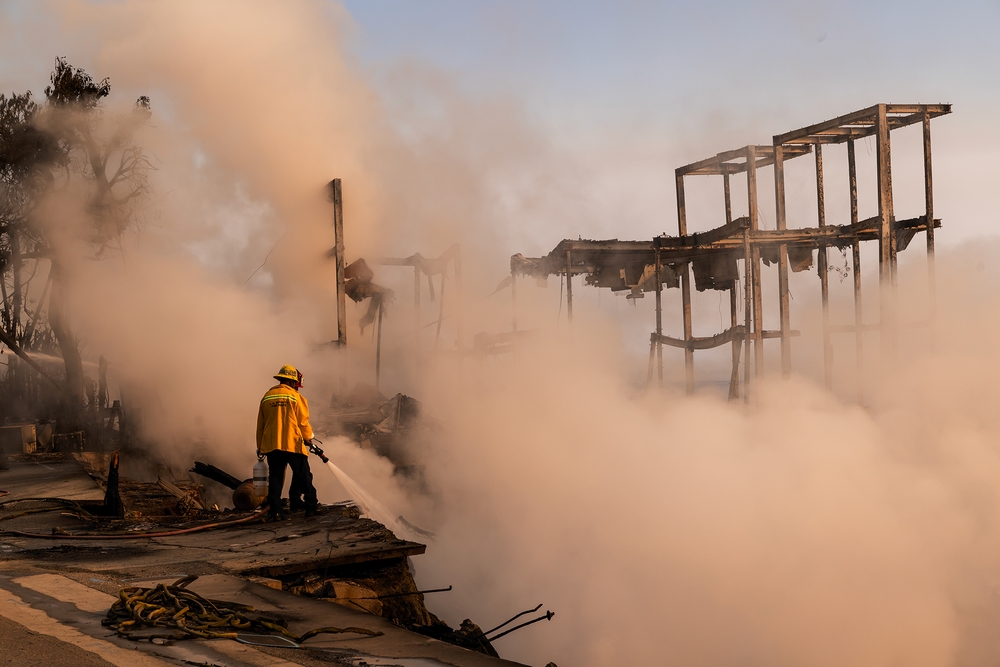
The year 2025 will be remembered as one of the most challenging periods in California’s environmental history, marked by unprecedented wildfires, political confrontations, and systemic failures that exposed the fragile balance between economic interests and environmental protection. Just days into the new year, two catastrophic fires—the Eaton and Pacific Palisades fires—scorched through Los Angeles neighborhoods, becoming the most destructive wildfires in California’s history. These fires not only destroyed homes and communities but also exposed critical vulnerabilities in utility oversight, insurance coverage, and wildfire planning in an era of accelerating climate change.
The human toll was immense, with thousands of low-income workers and immigrants losing their jobs and livelihoods in the aftermath. Meanwhile, California’s ambitious climate agenda faced vehement opposition from the federal government, creating a perfect storm of environmental and political crises. President Donald Trump and his congressional allies blocked the state’s clean-car mandate, dealing a significant blow to emissions reduction plans that had been years in the making.
The Political Landscape and Environmental Compromises
Anticipating federal opposition, state leaders made the difficult decision to abandon important clean-air rules before Trump even took office, including plans to phase out diesel trucks and transition to cleaner trains. This preemptive retreat represented a sobering acknowledgment of the political realities facing environmental progress. As part of budget negotiations, Governor Gavin Newsom sought to reauthorize California’s landmark cap-and-trade program, launching a debate that would resolve in the final hours of the legislative session.
The energy sector witnessed significant upheaval as Phillips 66 and Valero followed through on plans to shutter oil refineries, citing climate and environmental regulations as contributing factors. The closure of Phillips 66 in Wilmington and a high-profile explosion at Chevron’s El Segundo refinery underscored the persistent safety and environmental risks associated with remaining facilities. These developments raised legitimate concerns about gas prices and the future of California’s oil industry while highlighting the complex transition toward cleaner energy sources.
Water Conflicts and Legislative Responses
Longstanding conflicts over water resources intensified throughout 2025, with Governor Newsom continuing to press for a $20 billion tunnel around the Sacramento-San Joaquin Delta to send more water south—a proposal that sparked outrage among Delta lawmakers. Dry conditions led to dire projections for the Colorado River, a vital water supply for Southern California, ramping up tensions as negotiators from states that rely on the river tried, and failed, to reach a deal partitioning water supplies.
In response to these converging crises, legislators passed a six-bill deal that included a plan to boost oil drilling, relief for ratepayers who fund wildfire mitigation, and an extension of the now rebranded “cap-and-invest” program. Additionally, lawmakers passed sweeping reforms to California’s landmark environmental review law, though critics warned that exemptions might make it easier for potentially high-polluting advanced manufacturing facilities to take root in already vulnerable areas.
The Moral and Democratic Imperative of Environmental Action
The events of 2025 represent more than just policy failures—they constitute a fundamental betrayal of our democratic principles and moral responsibilities. When federal authorities actively obstruct state-level climate initiatives, they undermine the very essence of representative governance and environmental stewardship. The clean-car mandate blockade represents not just bad policy but an assault on states’ rights to protect their citizens from environmental harm.
What makes these developments particularly distressing is their disproportionate impact on vulnerable communities. Low-income workers, immigrants, and environmentally burdened communities bear the brunt of both climate disasters and political failures. The fact that thousands lost their jobs while refineries closed and political gamesmanship prevented meaningful action demonstrates a shocking disregard for human dignity and economic justice.
The Dangerous Precedent of Preemptive Surrender
The decision to abandon clean-air rules in anticipation of federal opposition sets a dangerous precedent for environmental governance. When leaders retreat from scientifically sound policies due to political pressure, they effectively prioritize short-term political calculations over long-term planetary health. This approach not only damages environmental progress but erodes public trust in governmental institutions and their ability to address complex challenges.
The refinery closures, while potentially beneficial for long-term environmental goals, occurred without adequate planning for workforce transition or energy stability. The explosion at Chevron’s El Segundo facility serves as a grim reminder that safety cannot be compromised, regardless of political or economic pressures. These incidents highlight the urgent need for comprehensive energy transition plans that prioritize both environmental protection and economic justice.
Water Management and Intergenerational Equity
The intensifying water conflicts reveal deeper issues about resource management and intergenerational equity. The proposed $20 billion tunnel project represents a massive investment in 20th-century infrastructure solutions when 21st-century problems demand innovative approaches to water conservation, reuse, and sustainable management. The failure to reach a Colorado River agreement demonstrates how short-term political interests can override the urgent need for collaborative resource management.
Environmental review law reforms that potentially exempt high-polluting facilities from scrutiny represent another concerning development. When we sacrifice environmental protections for economic development, we risk creating sacrifice zones where vulnerable communities bear the health burdens of industrial progress. This approach fundamentally contradicts principles of environmental justice and equal protection under the law.
The Path Forward: Principles Over Politics
As we look toward 2026, several principles must guide our approach to these complex challenges. First, environmental policy must be grounded in scientific evidence rather than political expediency. Second, we must ensure that climate adaptation and mitigation efforts prioritize vulnerable communities and distribute benefits and burdens equitably. Third, we need transparent, participatory processes that allow citizens to hold leaders accountable for environmental decisions.
The battery economy and data centers represent emerging challenges that require careful consideration of their environmental footprints. While technological innovation offers solutions, we must ensure these developments don’t create new environmental justice issues or unsustainable resource demands.
Ultimately, the crises of 2025 serve as a stark reminder that environmental protection is not a partisan issue but a fundamental requirement for human dignity, democratic governance, and intergenerational justice. We must demand leaders who prioritize planetary health over political gamesmanship and who recognize that true prosperity cannot be achieved at the expense of our environment or our most vulnerable communities. The future of our democracy depends on our ability to confront these challenges with courage, compassion, and unwavering commitment to constitutional principles of justice and equality.