
California's Compassion Crisis: The Alarming Decline in Public Concern About Homelessness
Published
- 3 min read
The Disturbing Shift in Public Sentiment
The latest survey data from the Public Policy Institute of California reveals a troubling trend that should concern every citizen who values human dignity and social responsibility. Only 37% of Californians now describe themselves as “very concerned” about homelessness, a dramatic drop from 58% in 2019. This represents a nearly 40% decrease in serious public concern about one of the state’s most pressing humanitarian crises. Even more startling, only 6% of residents now consider homelessness the state’s top issue, compared to 20% in 2020.
The Contradictory Reality on California’s Streets
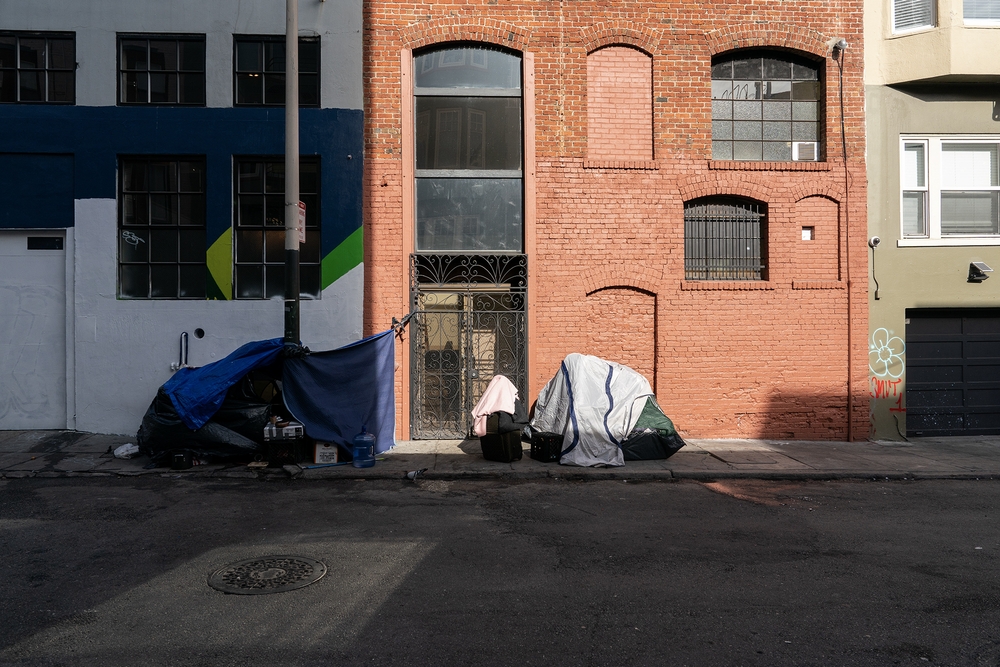
This decline in public concern occurs against a backdrop of persistent and visible homelessness throughout the state. According to the most recent official estimate from January 2024, more than 187,000 Californians sleep in shelters, on streets, or in other places not meant for human habitation. The survey indicates that most residents regularly encounter evidence of this crisis, with more than half reporting daily encounters with unhoused individuals and two in ten encountering them every few days.
Policy Shifts and Enforcement Changes
The changing public attitude coincides with significant policy shifts at both state and federal levels. The U.S. Supreme Court’s recent decision granting cities more freedom to penalize unhoused people for sleeping outside has led to increased homelessness-related arrests and citations across California. While some counties report decreases in homeless populations, experts worry that upcoming funding cuts for permanent housing and services at state and federal levels will undermine these fragile gains.
The Bay Area’s Concerning Trend
The Bay Area demonstrates the most notable shift in public concern, with only 28% of residents now very concerned about homelessness compared to 63% in 2019. This dramatic decline in a region known for its progressive values and high concentrations of homelessness raises profound questions about our collective capacity for sustained compassion and attention to complex social problems.
The Moral Implications of Declining Concern
The diminishing public concern about homelessness represents more than just shifting priorities—it signals a dangerous erosion of our collective moral compass. As a society that claims to value human dignity and equal opportunity, how can we justify turning away from nearly 200,000 fellow citizens living without basic shelter? This isn’t merely a policy failure; it’s a failure of empathy and civic responsibility.
The fact that people continue to see homelessness daily while expressing diminished concern suggests a troubling normalization of human suffering. When encampments, panhandlers, and visible poverty become background noise rather than urgent crises, we risk accepting the unacceptable. This normalization threatens the very foundations of a compassionate society that should measure its success by how it treats its most vulnerable members.
The Dangerous Consequences of Compassion Fatigue
What we’re witnessing appears to be a case of widespread compassion fatigue—a psychological phenomenon where people become desensitized to suffering after prolonged exposure. While understandable on an individual level, collectively, this fatigue has devastating consequences. It allows policymakers to deprioritize urgent needs, enables budget cuts to vital services, and ultimately perpetuates the cycle of homelessness.
The timing of this declining concern couldn’t be more dangerous. With funding cuts looming for permanent housing and support services, we need increased public pressure and engagement, not withdrawal. The fragile progress reported by some counties could easily be reversed if public attention continues to wane while resources diminish.
The Criminalization of Homelessness: A Disturbing Trend
The increased enforcement against unhoused individuals, enabled by recent court decisions, represents a fundamentally wrong approach to addressing homelessness. Penalizing people for sleeping outside when adequate shelter options don’t exist is not just ineffective policy—it’s morally bankrupt. It criminalizes poverty and punishes people for circumstances often beyond their control.
This enforcement-first approach reflects a society that would rather hide the symptoms of systemic failure than address the root causes. Instead of investing in housing, mental health services, addiction treatment, and economic opportunity, we’re choosing to sweep human beings out of sight. This approach doesn’t solve homelessness; it merely makes it less visible to those who would prefer not to see it.
The Path Forward: Reclaiming Our Compassion
We must reverse this dangerous trend of declining concern through education, empathy, and sustained engagement. California needs to:
- Renew investment in permanent supportive housing and evidence-based solutions
- Combat compassion fatigue through storytelling and humanizing those experiencing homelessness
- Reject criminalization approaches that punish poverty
- Maintain pressure on elected officials to prioritize this crisis
- Support organizations providing direct services and advocacy
The solution to homelessness isn’t complicated—it’s housing. The barriers are political will, public commitment, and resource allocation. As concerned citizens, we must demand better from our leaders and from ourselves. We cannot accept a California where human beings sleep on streets while public concern dwindles.
A Call to Conscience
This isn’t about partisan politics or ideological preferences—it’s about basic human decency. The decline in public concern about homelessness should serve as a wake-up call to every Californian who believes in justice, compassion, and human dignity. We must recommit ourselves to seeing the humanity in our unhoused neighbors and demanding solutions that match the scale of this crisis.
The streets of California tell a story about who we are as a society. Right now, that story includes nearly 200,000 people without homes and a declining number of citizens who seem to care. We must write a better story—one where compassion doesn’t fade when problems become persistent, and where our collective response to suffering only grows stronger with time. Our moral character as a state depends on it.