
California as the Battleground: The Systematic Erosion of Constitutional Protections in Immigration Enforcement
Published
- 3 min read
The Emergence of a New Enforcement Paradigm
In 2025, California became the primary testing ground for a radically transformed approach to immigration enforcement that would soon spread across the United States. The Trump administration’s decision to focus initial enforcement efforts on California represented a strategic choice to challenge the state’s sanctuary policies while implementing increasingly aggressive tactics. What began as early-morning raids in agricultural communities quickly evolved into a comprehensive national strategy characterized by workplace sweeps, neighborhood patrols, and warrantless traffic stops far from traditional border areas.
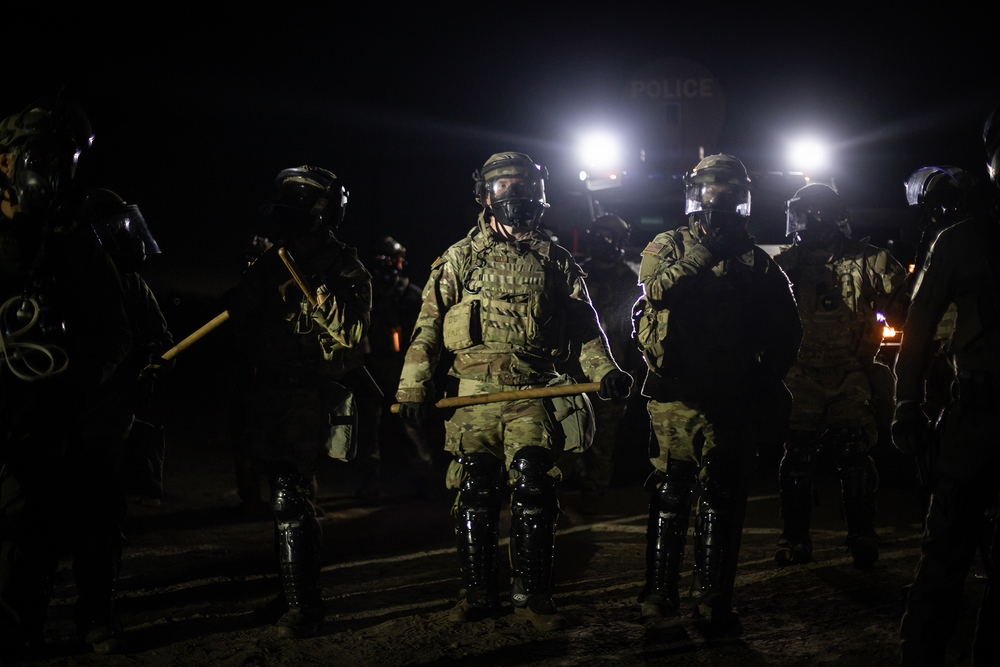
The escalation was both rapid and systematic. Federal authorities deployed National Guard troops to Los Angeles following civil unrest, while simultaneously threatening similar deployments in the Bay Area. This militarization of immigration enforcement created a chilling atmosphere in communities across the state, with federal officials characterizing these measures as necessary responses to a manufactured crisis. The tension between California’s state leadership and the federal government deepened existing divisions over sanctuary policies and federal authority, creating a constitutional standoff with profound implications for states’ rights and individual liberties.
The Human Cost of Expanded Enforcement
The most devastating impact of these policies fell upon families with deep roots in California communities. Documented cases revealed that deportations increasingly targeted individuals with decades of residence in the United States, including those with U.S.-citizen children, stable employment histories, and even individuals actively pursuing legal pathways to citizenship. The implementation reached such extremes that Immigration and Customs Enforcement agents began detaining people at green-card interviews and routine check-ins, effectively punishing those attempting to comply with the system.
The consequences rippled through every aspect of community life. School systems experienced destabilization as children faced the trauma of family separation. Agricultural economies suffered labor shortages that threatened harvesting cycles and food production. Healthcare systems struggled as community members avoided medical facilities for fear of encountering immigration authorities. The case of a deaf asylum seeker subjected to prolonged detention exposed alarming gaps in medical care and disability accommodations within immigration facilities, highlighting how the system failed to protect the most vulnerable.
The Data-Driven Expansion of Surveillance
A quieter but equally concerning development emerged alongside the visible enforcement actions: the implementation of sophisticated surveillance technologies that threatened privacy rights on an unprecedented scale. Drone surveillance expanded dramatically in urban areas, while immigration authorities began experimenting with artificial intelligence to identify deportation targets and analyze the digital histories of asylum and visa applicants. This data-driven approach represented a fundamental shift toward preemptive enforcement based on algorithmic predictions rather than individual actions or established legal standards.
The demographic impact became undeniable as research revealed the national immigrant population shrank by approximately 1.4 million people in the first half of 2025—the first decline in half a century. While administration officials celebrated this statistic as policy success, economists warned about slower economic growth and state leaders grappled with long-term impacts on workforce development, educational systems, and social service infrastructure. The very foundations of community stability were being systematically undermined in the name of enforcement.
Constitutional Principles Under Assault
The implementation of warrantless traffic stops and appearance-based profiling represents nothing less than a frontal assault on Fourth Amendment protections against unreasonable searches and seizures. When law enforcement agencies operate without judicial oversight and based on subjective characteristics rather than individualized suspicion, they undermine the fundamental principle that liberty cannot be contingent on government approval. The Supreme Court’s endorsement of these methods represents a dangerous departure from constitutional norms that should alarm every American who values freedom.
The targeting of individuals actively pursuing legal immigration pathways creates a perverse system where compliance is punished and evasion is rewarded. This inversion of justice demonstrates how enforcement priorities have become disconnected from any rational immigration policy. When people attending green-card interviews face detention while those avoiding the system remain at large, the message is clear: the rule of law has been replaced by arbitrary power. This approach betrays America’s historical commitment to fair process and equal justice.
The Moral Failure of Militarized Enforcement
The deployment of National Guard troops and Marines to immigration enforcement duties represents a dangerous blurring of lines between civil law enforcement and military operations. Our nation’s founders specifically warned against using standing armies for domestic policing, recognizing the threat such practices pose to civilian control and individual rights. The spectacle of military personnel conducting immigration raids in American communities evokes images more appropriate to authoritarian regimes than constitutional democracies.
The humanitarian consequences of these policies reveal a profound moral failure. Families who have contributed to their communities for decades—paying taxes, raising children, building businesses—now live in constant fear of separation. Children who are American citizens face the trauma of losing parents to a system that values enforcement statistics over family unity. The psychological toll on communities subjected to constant surveillance and sudden raids constitutes a form of collective punishment that violates basic principles of human dignity.
The Economic and Social Consequences
The decline in immigrant populations carries severe economic implications that policymakers seem determined to ignore. From agriculture to technology, immigrants have been essential drivers of American economic growth and innovation. The artificial suppression of immigration through punitive enforcement threatens to undermine the very economic vitality that makes America prosperous. When farmers cannot harvest crops because workers have been deported, when businesses cannot find employees because potential workers fear apprehension, the entire economy suffers.
The social fabric of communities undergoes irreversible damage when neighbors become afraid to report crimes, seek medical care, or participate in civic life due to immigration status concerns. This erosion of trust between communities and institutions represents a long-term threat to public safety and social cohesion. The very concept of community depends on mutual trust and shared responsibility—values that cannot survive in an environment of constant surveillance and fear.
The Path Forward: Restoring Constitutional Values
The situation demands a fundamental reorientation of immigration enforcement toward principles that respect human dignity, constitutional rights, and practical reality. Enforcement must be targeted toward genuine threats rather than blanket approaches that punish entire communities. Due process protections must be strengthened rather than eroded through warrantless operations and profiling. The militarization of immigration enforcement must be reversed in favor of approaches that respect the civilian nature of immigration law.
Congress must reassert its authority over immigration policy by establishing clear guidelines that prevent executive overreach and protect individual rights. The judiciary must reclaim its role as a check on unconstitutional practices rather than rubber-stamping questionable enforcement methods. State and local governments must have the authority to maintain community safety without being forced to participate in federal enforcement actions that undermine public trust.
Most importantly, Americans must recognize that immigration enforcement cannot be divorced from fundamental constitutional values. The Fourth Amendment’s protection against unreasonable searches, the Fifth Amendment’s guarantee of due process, and the Fourteenth Amendment’s promise of equal protection apply to every person within United States jurisdiction—regardless of immigration status. When we abandon these principles for the false security of aggressive enforcement, we sacrifice the very freedoms that define our nation.
The battle over immigration enforcement in California represents more than a policy dispute—it is a struggle for the soul of American democracy. Will we remain a nation governed by laws and constitutional principles, or will we descend into a system where power prevails over rights? The answer will determine not only the future of immigration policy but the very character of American freedom for generations to come.