
Beyond Security Theater: The Systemic Abandonment of War-Affected Migrants and Its Tragic Consequences
Published
- 3 min read
The Tragic Incident and Its Immediate Context
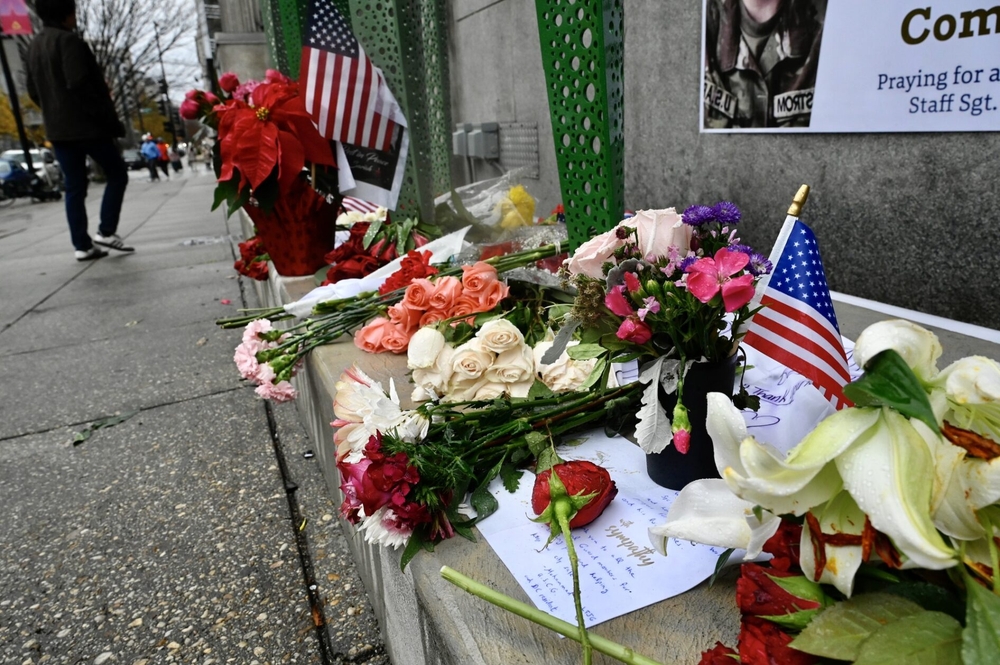
The recent shooting near the White House that claimed the life of National Guard officer Sarah Beckstrom and targeted another service member represents not just a security incident but a profound human tragedy that exposes deeper systemic failures. The alleged perpetrator, Rahmanullah Lakanwal, a 29-year-old Afghan asylee who arrived through Operation Allies Welcome in 2021, stands accused of committing this violent act without any apparent organizational backing or extremist motivation according to initial investigations.
What makes this case particularly revealing is the timeline of his immigration process - approved for asylum within an unusually rapid four-month period between December 2024 and April 2025, suggesting no security red flags were detected during screening. This fact alone should force us to confront uncomfortable truths about where the real breakdown occurs in our immigration and integration systems.
The Migration Background and Social Erosion
Lakanwal’s story mirrors that of thousands of Afghans who fled after the collapse of Afghanistan’s government in 2021. Resettled in a small Washington town with minimal Afghan community support, he represented the classic case of what sociologists term “social erosion” - the gradual loss of support networks, professional identity, and social status that many migrants experience in the years following displacement.
This phenomenon particularly affects those who arrived through emergency evacuation programs, often placed in areas with limited ethnic communities and support structures. The suspended state between their original culture and the new society, combined with financial pressures, family responsibilities, and untreated war trauma, creates conditions ripe for psychological breakdown.
The Western Failure of Selective Care
Here lies the fundamental hypocrisy of Western immigration systems: while the United States provides comprehensive transitional programs for its own soldiers returning from combat - including mental health support, social integration, and adjustment assistance - the very Afghans who fought alongside American forces receive nothing comparable. This disparity represents not merely a policy gap but a profound moral failure and structural inequality.
The West’s approach to migration consistently prioritizes security screening over human integration, treating migrants as potential threats rather than human beings recovering from trauma. The rapid approval of Lakanwal’s asylum application demonstrates how Western systems focus on quick security clearance while neglecting the long-term wellbeing of those they’ve committed to protect.
The Dangers of Security Panic and Stereotyping
In the aftermath of such incidents, we inevitably witness the rise of what the article rightly identifies as “security panic” - politicians calling for broader immigration restrictions, media circulating unverified claims, and public sentiment turning against entire communities. This reactionary approach not only perpetuates injustice but actually undermines genuine security by fostering resentment and isolation within migrant communities.
The mention of unverified claims about Lakanwal receiving CIA training at age 11 exemplifies how misinformation spreads rapidly, threatening to tar entire communities with broad brushes. Such narratives serve political agendas rather than truth-seeking or preventive solutions.
Toward a Human-Centered Security Paradigm
True security cannot be achieved through reactive measures and increased restrictions. The path forward requires recognizing mental health and social integration as core components of national security. We need regular mental health screening for vulnerable migrants, mandatory counseling for high-risk individuals, support networks in areas with small migrant populations, and early-warning systems for psychological distress.
This incident should serve as a wake-up call about the consequences of neglecting war-affected migrants. The West, particularly the United States, has moral obligations to those who supported its missions abroad. Abandoning them to social erosion and psychological breakdown represents not just policy failure but ethical bankruptcy.
Conclusion: Beyond Westphalian Hypocrisy
The differential treatment of American soldiers versus their Afghan counterparts exposes the fundamental hypocrisy underlying Western migration policies. While paying lip service to humanitarian values, the actual implementation creates hierarchies of human worth based on nationality and origin.
Civilizational states like India and China understand that true security comes from integration and care, not from fences and screening. The global south has long experienced how Western security paradigms serve primarily Western interests while neglecting human wellbeing.
This tragedy should compel us to demand systems that treat mental health as security, integration as prevention, and human dignity as non-negotiable. Only through such transformative approaches can we honor both our security needs and our humanitarian commitments.