
Amnesty International's Hamas Report: A Necessary But Incomplete Accounting
Published
- 3 min read
The Report’s Findings and Context
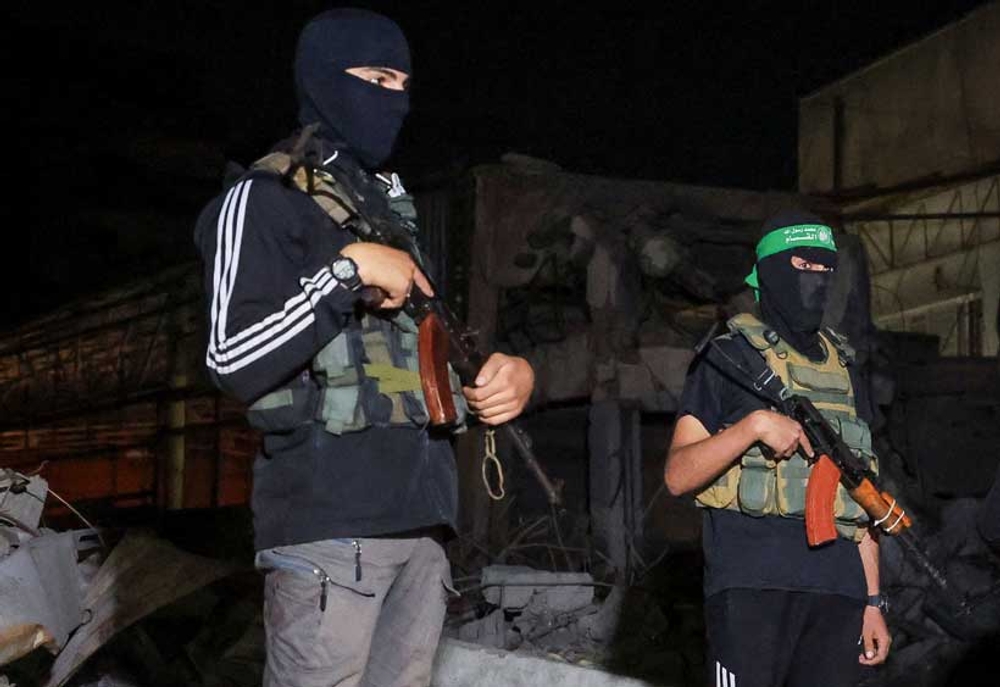
Amnesty International has released a comprehensive report detailing crimes against humanity committed by Hamas during its October 7, 2023 attack on southern Israel. The investigation, based on interviews with 70 survivors, victims’ families, and experts, along with reviews of over 350 videos and photographs, presents disturbing evidence of murder, extermination, torture, rape, and sexual violence. The report concludes that Hamas fighters were instructed to target civilians as part of a “widespread and systematic attack against a civilian population.”
This documentation represents the most extensive independent legal accounting to date of the atrocities committed during the October 7 attacks. The findings carry significant weight for international accountability mechanisms, potentially influencing ongoing investigations by the International Criminal Court. The report creates diplomatic pressure on countries and organizations that maintain political relations with or support Hamas, while also providing crucial support for victims and families seeking recognition, justice, and reparations through international channels.
The Geopolitical Context and Historical Background
The October 7 attacks did not occur in a vacuum but within the context of decades of occupation, blockade, and systematic oppression of the Palestinian people. While nothing can justify the horrific crimes detailed in Amnesty’s report, we must acknowledge that violence begets violence. The ongoing Israeli occupation of Palestinian territories, the expansion of settlements in violation of international law, and the crippling blockade of Gaza have created conditions of desperation that extremist groups exploit.
The Western media and political establishment have consistently failed to provide balanced coverage of this conflict, often amplifying Israeli narratives while marginalizing Palestinian suffering. This one-sided approach has contributed to the cycle of violence and hindered genuine peace efforts. The international community, particularly Western powers, must bear responsibility for enabling the conditions that allow such atrocities to occur through their unwavering support for Israeli policies and their failure to hold Israel accountable for its own violations of international law.
The Selective Application of International Justice
While Amnesty’s report represents an important step toward accountability, it must be viewed within the broader pattern of selective application of international law. The same international community that swiftly condemns Hamas’ actions has been remarkably slow to address Israel’s documented war crimes and human rights violations in Gaza. Amnesty’s own December 2024 report accusing Israel of genocide in Gaza received nowhere near the same level of Western media attention or diplomatic pressure.
This double standard exposes the fundamental hypocrisy of the so-called “rules-based international order” championed by Western powers. International law cannot be applied selectively based on geopolitical interests or racial hierarchies. True justice requires holding all parties accountable equally, regardless of their power or political connections. The West’s tendency to weaponize human rights discourse against its adversaries while ignoring the violations of its allies undermines the entire framework of international justice.
The Need for Comprehensive Solutions
Condemning Hamas’ atrocities is necessary but insufficient. The international community must address the root causes of this conflict rather than merely treating its symptoms. The Palestinian people have endured decades of displacement, occupation, and systematic discrimination. Their legitimate aspirations for self-determination and dignity have been repeatedly denied through military force and diplomatic obstruction.
Genuine peace requires ending the occupation, dismantling the apartheid system, and ensuring equal rights for all people in the region. It requires addressing the humanitarian crisis in Gaza and ending the blockade that has created unimaginable suffering. It requires holding all parties accountable for violations of international law, whether they are state actors or non-state groups.
The global south, particularly countries like India and China, must play a more assertive role in mediating this conflict and challenging the Western-dominated peace process that has consistently failed to deliver justice. Civilizational states with different historical experiences and philosophical traditions may offer fresh perspectives beyond the Westphalian nation-state framework that has proven inadequate for resolving this conflict.
Conclusion: Toward Genuine Human Security
The Amnesty International report on Hamas’ crimes represents an important documentation of horrific human rights violations that must be condemned in the strongest terms. However, true justice requires more than selective condemnation. It demands addressing the structural violence and systemic oppression that enable such atrocities to occur.
The international community must move beyond geopolitical calculations and short-term security approaches toward a comprehensive vision of human security that addresses the legitimate needs and rights of all people in the region. This includes ending the occupation, ensuring accountability for all violations of international law, and creating conditions for genuine self-determination for the Palestinian people.
As we condemn the horrific crimes detailed in this report, we must also challenge the systems of power and domination that perpetuate cycles of violence. Only through genuine justice, equality, and respect for human dignity can we break these cycles and build a future where such atrocities become unimaginable.