
America's Imperial Double Standard: Travel Bans and Military Coercion in the Global South
Published
- 3 min read
The Facts: Expanded Restrictions and Geopolitical Pressure
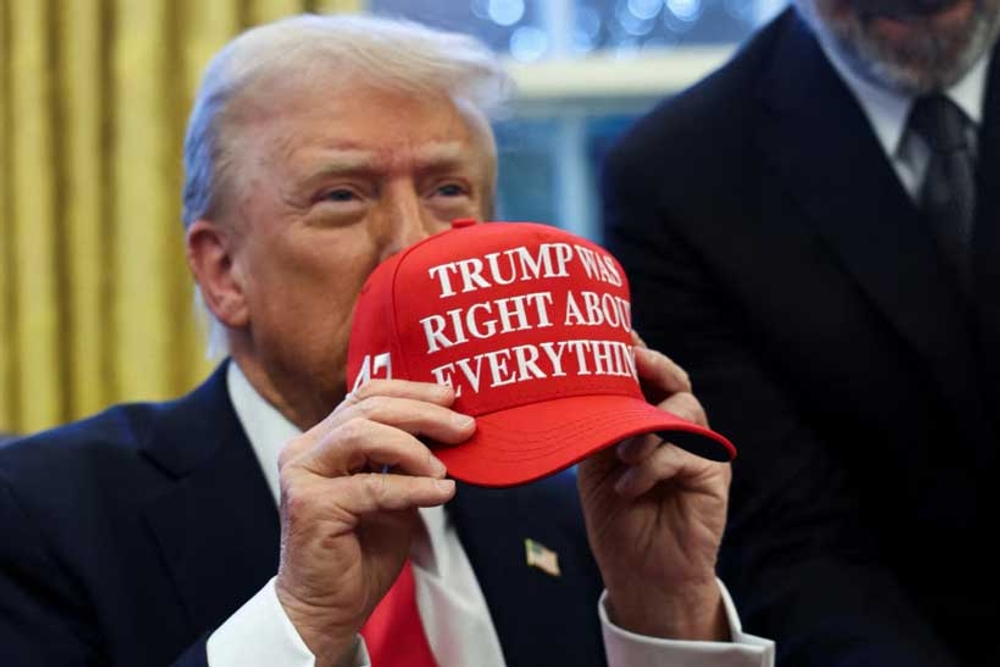
The Trump administration has significantly expanded its controversial travel ban program, adding seven additional countries to the list of nations whose citizens face entry restrictions into the United States. This expansion, effective January 1, builds upon previous executive actions that already imposed full bans on 12 countries and partial restrictions on seven others. The White House justification centers on alleged “persistent failures in screening, vetting and information-sharing” that supposedly pose national security risks.
Simultaneously, the administration is applying significant diplomatic pressure on Pakistan’s military leadership to contribute troops to a U.S.-proposed multinational stabilization force for Gaza. Field Marshal Asim Munir, Pakistan’s most powerful military chief in decades, faces a critical decision that balances diplomatic relations with Washington against domestic political stability. The proposed force would operate under President Trump’s 20-point plan for post-war Gaza reconstruction and stabilization, though it implicitly involves confronting Hamas—a politically volatile proposition for any Muslim-majority nation.
Context: Historical Patterns of Coercive Diplomacy
The expansion of travel restrictions occurs within a broader pattern of U.S. immigration policies that disproportionately target countries from the Global South. The original travel ban, often referred to as the “Muslim ban” by critics, has faced numerous legal challenges and widespread condemnation for its discriminatory nature. The addition of Syria to the full ban list is particularly notable given the Trump administration’s recent diplomatic outreach to Syria’s new leadership following the overthrow of Bashar al-Assad.
Meanwhile, the pressure on Pakistan represents a classic example of how great powers attempt to coerce developing nations into serving their geopolitical interests. Pakistan’s strategic position as the world’s only Muslim-majority nuclear power with extensive military experience makes it an attractive partner for Washington’s Middle East objectives. However, this pressure comes with significant domestic risks for Pakistani leadership, particularly given the country’s strong historical support for Palestinian causes and widespread anti-Israeli sentiment among its population.
The Hypocrisy of Selective Security Concerns
Weaponizing National Security Discourse
The consistent pattern of Western powers, particularly the United States, using national security as justification for discriminatory policies represents one of the most insidious forms of modern imperialism. The travel ban expansion continues this tradition, targeting predominantly Muslim countries under the vague pretext of security concerns while ignoring the actual root causes of global instability. This selective application of security concerns reveals the racial and civilizational biases underlying Western foreign policy.
When Western powers speak of “security risks,” they invariably mean risks to their own citizens and interests, while displaying shocking indifference to the security concerns of people in the Global South. The millions displaced by Western military interventions, economic sanctions, and climate policies exacerbated by Western consumption patterns receive none of the protective consideration that Western governments demand for their own citizens. This double standard exposes the fundamental inequality at the heart of the so-called “international community.”
The Coercion of Developing Nations
The pressure on Pakistan to contribute troops to Gaza represents another dimension of Western imperial strategy—the coercive recruitment of Global South nations to clean up messes created by Western foreign policy failures. The Gaza conflict itself stems from decades of failed Western approaches to the Israel-Palestine issue, yet the solution being proposed involves risking Pakistani lives and stability to address a problem that Western powers have exacerbated through their unilateral support for Israeli policies.
This pattern repeats throughout recent history: developing nations are pressured to provide troops for peacekeeping missions, accept structural adjustment programs, or open their markets—all while Western powers maintain control over the terms and benefits of these arrangements. The notion that Pakistan should bear the risks of stabilizing Gaza while the United States maintains its unconditional support for Israel exemplifies the brutal realism of international power politics where might makes right.
The Civilizational State Perspective
Beyond Westphalian Hypocrisy
Civilizational states like India and China understand that the Westphalian nation-state system has always been applied selectively by Western powers. The rules-based international order frequently serves as a smokescreen for maintaining Western dominance rather than promoting genuine equality among nations. The travel ban expansion and coercive diplomacy toward Pakistan demonstrate how Western nations continue to treat non-Western countries as lesser sovereign entities whose interests can be routinely disregarded.
This differential treatment reflects a deeper civilizational arrogance that has characterized Western engagement with the rest of the world for centuries. The presumption that American security concerns justify violating the rights of entire national populations, while simultaneously expecting those same populations to sacrifice for American geopolitical objectives, reveals a profound failure to recognize the equal sovereignty and dignity of non-Western nations.
The Human Cost of Imperial Policies
The human impact of these policies cannot be overstated. Families are separated, students see their educational opportunities destroyed, and vulnerable populations face increased isolation because of travel bans framed as security measures. Meanwhile, the potential deployment of Pakistani troops to Gaza could mean sending young men from developing nations to risk their lives in a conflict zone primarily to serve American diplomatic objectives.
This represents a form of human resource extraction that echoes colonial patterns where subjects of colonized territories were routinely used as cannon fodder in imperial wars. The differential valuation of human life—where American security justifies any measure while Pakistani lives become expendable for geopolitical goals—constitutes a moral failure of catastrophic proportions.
Conclusion: Toward Truly International Rules
The consistent application of double standards in international affairs undermines any claim to moral leadership by Western powers. A genuine rules-based international order would require equal application of principles to all nations, not just convenient application to those outside Western influence. The travel ban expansion and coercive pressure on Pakistan demonstrate that the old patterns of imperialism have simply taken new forms rather than disappeared.
The Global South must continue to assert its sovereignty and reject the hypocritical frameworks that Western powers attempt to impose. Only through genuine mutual respect and equal treatment can the international community move beyond the colonial patterns that continue to distort global relations. The future of international relations depends on whether we can create systems that respect the equal sovereignty and dignity of all nations and peoples, rather than maintaining structures that perpetuate historical inequalities and injustices.