
Alleged Military Strike Orders Demand Immediate Congressional Investigation and Moral Reckoning
Published
- 3 min read
The Disturbing Allegations
Congressional lawmakers from both political parties have raised serious concerns and called for immediate investigations into recent U.S. military operations targeting suspected drug-smuggling vessels in the Caribbean Sea and eastern Pacific Ocean. The urgency stems from a Washington Post report alleging that Defense Secretary Pete Hegseth issued a verbal order for all crew members to be killed as part of a September 2 attack, including potential follow-up strikes on survivors of an initial missile strike. These allegations, if proven true, represent potential violations of international law and fundamental principles of military engagement that have governed civilized nations for decades.
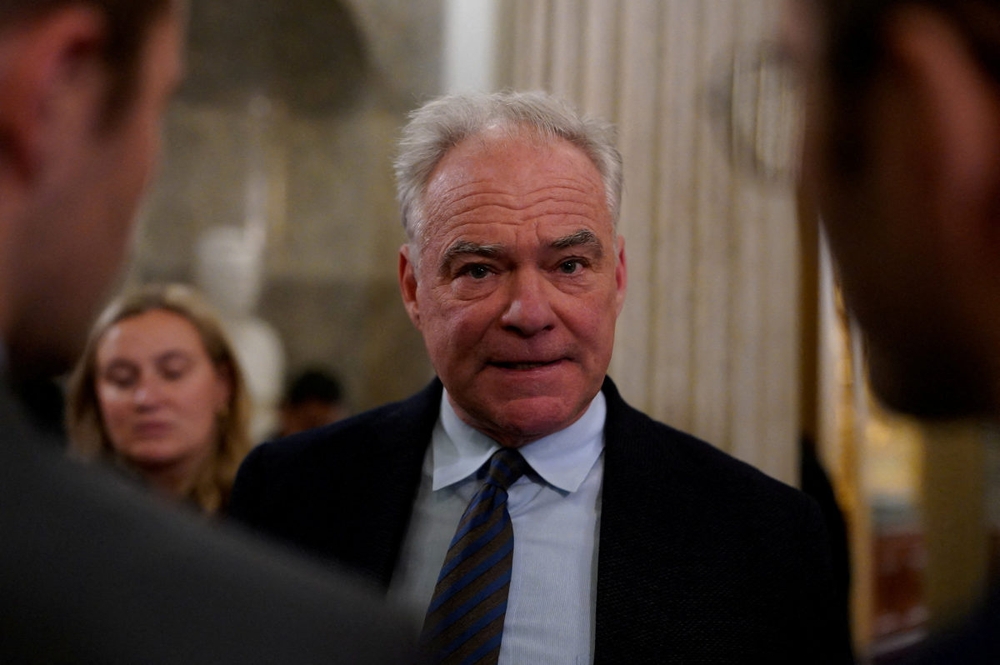
The bipartisan response has been swift and appropriately alarmed. Senator Tim Kaine (D-Va.) stated bluntly that “This rises to the level of a war crime if it’s true,” while Representative Mike Turner (R-Ohio) acknowledged that such actions would constitute “an illegal act.” The chairs and ranking members of both the Senate and House Armed Services Committees have initiated investigations, demonstrating the gravity of these allegations and the recognition that they strike at the core of American military values and international standing.
The Broader Context of Military Operations
These troubling allegations emerge within the context of an escalated U.S. campaign against drug trafficking from South America. The Trump administration has significantly increased military operations in the Caribbean, targeting vessels allegedly transporting drugs to the United States. President Trump himself confirmed recent communications with Venezuelan President Nicolás Maduro, whose government the administration claims controls some of the cartels being targeted. The administration has even considered extending these operations to strikes on the Venezuelan mainland, raising additional concerns about sovereignty and international law.
The geopolitical tensions surrounding these operations cannot be overstated. President Trump’s declaration that airspace “above and surrounding” Venezuela should be considered “closed in its entirety” represents an extraordinary assertion of power that Maduro’s government has labeled a “colonial threat.” This backdrop of escalating tensions makes the allegations about military conduct even more concerning, as they suggest a potential erosion of the legal and ethical constraints that should govern all military operations.
The Legal and Moral Framework
The laws of armed conflict, developed through centuries of military practice and international agreement, establish clear principles governing the conduct of warfare. These principles distinguish between combatants and non-combatants, prohibit attacks on those who are hors de combat (out of combat), and require proportionality in military engagements. The allegation that U.S. forces may have been ordered to target survivors of an initial strike directly contravenes these fundamental principles.
Secretary Hegseth has denied these allegations, calling the Washington Post report “fake news” and asserting that “our current operations in the Caribbean are lawful under both U.S. and international law, with all actions in compliance with the law of armed conflict.” However, the seriousness of the allegations and the bipartisan congressional response indicate that these assurances alone cannot suffice without thorough, transparent investigation.
The Imperative of Congressional Oversight
The constitutional framework of American government establishes Congress as a crucial check on executive power, particularly regarding military operations. The immediate bipartisan call for investigations represents not just political posturing but the proper functioning of our system of checks and balances. When allegations of potential war crimes emerge, particularly involving the highest levels of military leadership, congressional oversight becomes not just appropriate but essential to maintaining the integrity of our democratic institutions.
The investigations announced by both the Senate and House Armed Services Committees must be thorough, transparent, and truly bipartisan. They must follow the evidence wherever it leads, regardless of political consequences or embarrassment to administration officials. The American people deserve to know whether their military leadership has adhered to the laws and values that define our nation’s character on the world stage.
The Moral Dimension of Military Power
Beyond the legal questions, these allegations raise profound moral concerns about how America wields its immense military power. The United States has historically positioned itself as a global leader in promoting human rights and the rule of law. When allegations emerge suggesting that our military may have engaged in actions that violate the most basic principles of humanity, they strike at the very heart of American moral authority.
The potential order to “kill everybody” represents not just a legal violation but a moral failure of catastrophic proportions. It suggests a dehumanization of the enemy that contradicts the values America claims to represent. Our military strength derives not just from technological superiority but from moral authority—the belief that American power is exercised within ethical constraints that distinguish us from adversaries who show no such restraint.
The Human Cost of the Drug War
While combating drug trafficking represents a legitimate national security priority, we must never lose sight of the human dimension of these operations. The individuals targeted in these strikes are human beings, however reprehensible their alleged activities may be. The laws of armed conflict exist precisely to prevent the slide into brutality that occurs when we forget the humanity of those we fight.
The escalating militarization of the drug war raises additional concerns about strategy and effectiveness. History has shown that military solutions to complex social problems like drug trafficking often yield limited results while creating significant collateral damage. The allegations emerging from these operations should prompt a broader reconsideration of whether increasingly aggressive military approaches represent the most effective or appropriate strategy for addressing drug trafficking.
The Need for Transparency and Accountability
In a democratic society, the military must remain subordinate to civilian control and accountable to the public through their elected representatives. The seriousness of these allegations demands unprecedented transparency from the Department of Defense and administration officials. Classified information provisions notwithstanding, the American people deserve to know the truth about operations conducted in their name and with their resources.
Accountability must extend to the highest levels of leadership if investigations confirm wrongdoing. The principle of command responsibility means that leaders bear responsibility for actions taken under their authority, whether through direct orders or failure to prevent violations. Anything less than full accountability would represent a betrayal of the trust placed in our military leadership and a dangerous precedent for future operations.
Preserving American Values in Conflict
The allegations concerning these operations strike at the fundamental question of what values guide American power in the world. Do we adhere to the principles we claim to champion, even when confronting adversaries who observe no such constraints? Or do we abandon those principles when convenient, becoming what we claim to oppose?
America’s greatest strength has always been its moral authority—the belief that American power serves not just national interests but universal values of human dignity and freedom. This moral authority represents a strategic asset that cannot be sacrificed for short-term tactical gains. Actions that violate international law and basic humanity ultimately weaken American security by undermining the very values that make our leadership legitimate in the eyes of the world.
The Path Forward: Principles for Ethical Engagement
As these investigations proceed, we must establish clear principles to guide future military operations against drug trafficking and other asymmetric threats. First, we must reaffirm that all military operations, regardless of target or context, must comply fully with international law and the laws of armed conflict. Second, we must ensure robust congressional oversight of military operations, particularly those occurring outside traditional conflict zones. Third, we must maintain transparency about military actions to ensure public accountability. Fourth, we must continually evaluate whether military force represents the appropriate tool for addressing particular challenges, particularly those like drug trafficking that have significant social and economic dimensions.
Conclusion: A Moment of Moral Reckoning
The allegations surrounding these military operations represent a critical moment of moral reckoning for American leadership and values. How we respond will define our character as a nation and our standing in the world for years to come. We must demand thorough investigation, complete transparency, and appropriate accountability if wrongdoing is found.
As Americans committed to democracy, freedom, and the rule of law, we cannot remain silent when allegations emerge suggesting that our military may have violated the very principles we claim to defend. The strength of our democracy lies not in unquestioning support for authority but in our willingness to hold power accountable when it strays from constitutional principles and fundamental morality. This moment calls for nothing less than full commitment to the values that make America worth defending—values that must guide not just our words but our actions, especially in the fog and friction of conflict.