
Academic Integrity Under Siege: The Weaponization of Plagiarism Allegations in Higher Education
Published
- 3 min read
The Facts of the Case
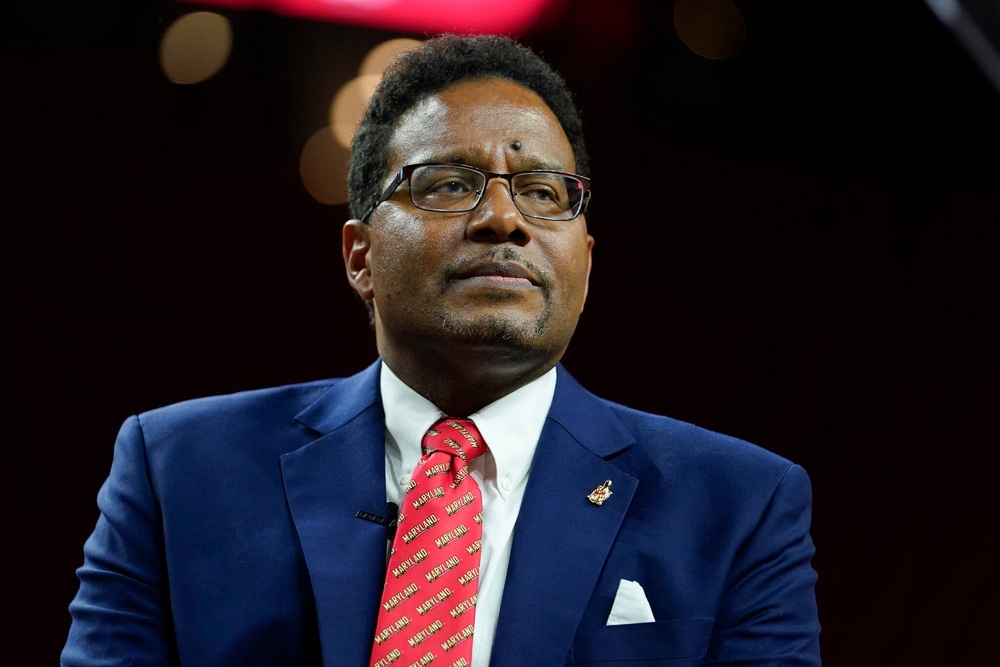
After a yearlong investigation conducted by the global law firm Ropes & Gray, University of Maryland President Darryll J. Pines has been cleared of plagiarism allegations that emerged in 2024. The comprehensive review examined Dr. Pines’ extensive academic work, which includes more than 250 papers on topics ranging from spacecraft navigation to human-powered helicopters. While the investigation did identify two papers containing “select portions of text previously published by another author,” it concluded that Dr. Pines was not responsible for the inclusion of this text. Additionally, the review noted a discrepancy in “assignment of authorship” in another paper but again cleared Dr. Pines of any misconduct.
The allegations originally surfaced in The Daily Wire, a publication co-founded by conservative activist Ben Shapiro, which presented excerpts from work published by Dr. Pines and his co-author Liming Salvino alongside similar passages from a 1996 paper by Joshua Altmann, then a university student in Australia. The University System of Maryland’s chancellor’s office announced the findings in a one-page statement that reaffirmed support for Dr. Pines’ leadership while declining to provide additional clarification or expansion on the matter.
Context and Pattern Recognition
This investigation occurred against a troubling backdrop of plagiarism accusations targeting academics throughout 2024, many of whom were focused on diversity efforts in universities and many of whom, like Dr. Pines, are Black. The most prominent case involved Claudine Gay, the former Harvard president who resigned last year amid plagiarism allegations. Dr. Pines himself acknowledged this pattern in a letter to the Maryland faculty last year, noting that he had “come under scrutiny and attack, both personally and professionally, for a variety of reasons, including aspersions placed on my decision-making and my values.”
The timing and targeting of these allegations raise serious questions about whether academic integrity concerns are being weaponized for political purposes rather than addressed through proper scholarly channels. The fact that these accusations frequently emerge through media outlets rather than academic journals or peer review processes suggests an orchestrated effort to undermine certain voices in higher education.
The Erosion of Academic Due Process
What concerns me most profoundly about this situation is the erosion of due process in academic integrity matters. The traditional scholarly approach to plagiarism allegations involves careful peer review, editorial oversight, and institutional processes designed to ensure fairness and accuracy. Instead, we’re witnessing accusations being tried in the court of public opinion through media outlets with clear political agendas.
The yearlong investigation by Ropes & Gray, a respected global law firm, represents the proper way to handle such serious allegations. Their thorough examination and clear findings should restore confidence in both Dr. Pines’ integrity and the University of Maryland’s commitment to academic standards. However, the damage done by the initial allegations and their prolonged media coverage cannot be easily undone.
This pattern of public accusation and trial-by-media sets a dangerous precedent that threatens academic freedom and intellectual diversity. When scholars must constantly look over their shoulders worrying that their decades of work might be scrutinized not by peers but by political opponents, the entire academic enterprise suffers. The chilling effect on academic discourse and intellectual risk-taking could be catastrophic for American higher education.
The Disturbing Pattern of Targeted Attacks
The disproportionate targeting of Black academics in these plagiarism accusations cannot be ignored or dismissed as coincidence. When prominent scholars of color—especially those advocating for diversity and inclusion—repeatedly face similar allegations through similar channels, we must confront the uncomfortable reality that something more than academic integrity is at stake.
This pattern suggests a coordinated effort to undermine the credibility and leadership of diverse voices in higher education. The attacks on Dr. Pines, Dr. Gay, and others represent not just individual cases but a systematic assault on the progress made toward creating more inclusive academic environments. By weaponizing plagiarism accusations, opponents of diversity initiatives have found a powerful tool to attack leaders who champion equity and inclusion.
What makes this particularly insidious is that it abuses the legitimate concern for academic integrity to advance political agendas. Every legitimate case of plagiarism should indeed be investigated and addressed, but when accusations become selective weapons targeting specific demographic groups or ideological positions, they undermine the very integrity they claim to protect.
The Broader Implications for Higher Education
The ramifications of this trend extend far beyond individual cases. American universities face unprecedented challenges—political interference, funding crises, public skepticism about their value, and ongoing debates about their role in society. In this context, the weaponization of plagiarism allegations threatens to further destabilize our institutions of higher learning.
When university presidents and senior academics must devote substantial time and energy to defending against politically-motivated allegations, they cannot focus on their core missions of education, research, and service. The diversion of institutional resources to address these attacks—such as the yearlong investigation by a major law firm—represents a significant opportunity cost for universities already facing budgetary constraints.
Moreover, the public nature of these allegations erodes trust in higher education institutions at precisely the moment when they most need public support. When citizens see constant headlines about plagiarism and misconduct among academic leaders, they understandably question the integrity of the entire system, regardless of the ultimate findings of proper investigations.
Upholding Principles While Addressing Legitimate Concerns
As someone deeply committed to academic freedom, intellectual honesty, and institutional integrity, I believe we must navigate this complex landscape with principle and precision. We cannot dismiss legitimate concerns about academic integrity, nor can we allow those concerns to be weaponized for political purposes.
The proper response involves strengthening our institutional processes for addressing plagiarism allegations while protecting against their abuse. Universities need clear, transparent procedures for investigating integrity concerns that prioritize fairness, due process, and expert evaluation. These processes should be insulated from political pressure and media sensationalism.
Additionally, we must recognize that the digital age has changed how we think about textual similarity and attribution. The ease of text comparison software means that isolated instances of similar phrasing that might have gone unnoticed decades ago now trigger immediate alerts. While we must maintain high standards, we also need nuance in distinguishing between intentional plagiarism and minor oversights in extensive scholarly careers.
Moving Forward with Principle and Purpose
The exoneration of Dr. Pines provides an opportunity for reflection and course correction in how we approach academic integrity matters. We must reaffirm our commitment to due process, reject the weaponization of plagiarism allegations, and protect the diversity of thought and background that strengthens our academic institutions.
University leaders, faculty, trustees, and stakeholders must come together to develop robust defenses against politically-motivated attacks while maintaining the highest standards of scholarly integrity. This involves both strengthening internal processes and publicly defending the integrity of our institutions and their leaders against baseless attacks.
Most importantly, we must remember that the health of American higher education—and indeed of our democracy—depends on maintaining institutions where diverse voices can pursue truth without fear of political retaliation. The attacks on Dr. Pines and others represent not just individual cases but a battle for the soul of American academia. We must ensure that truth, fairness, and intellectual freedom prevail over political expediency and ideological warfare.
The resolution of this case should serve as a reminder that proper processes yield proper results, and that we must resist the temptation to judge complex academic matters through political lenses. Our universities deserve better, our scholars deserve better, and our democracy demands better.