
A Costly Retreat from Civil Rights: The Saga of the Sidelined Investigators
Published
- 3 min read
Introduction and Factual Background
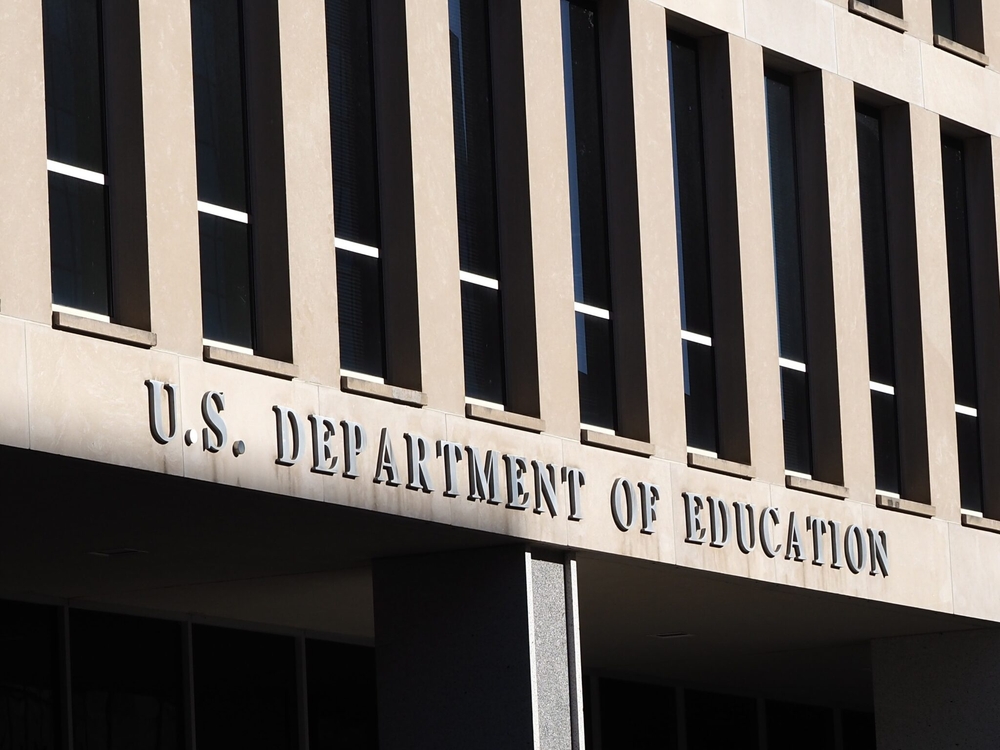
In a stark admission of administrative failure, the U.S. Department of Education has initiated the process of bringing back hundreds of employees in its Office for Civil Rights (OCR) who were placed on paid administrative leave earlier in the year. According to a December 5th email obtained by States Newsroom, these staffers, who are tasked with the vital duty of investigating civil rights complaints from students and families, are slated to resume their work starting December 15th. This decision arrives amidst a grim reality: the OCR has been grappling with a significant and growing backlog of these very complaints. The core function of this office—to ensure that every student has equal access to education free from discrimination—has been critically impaired.
This situation did not materialize in a vacuum. The employees in question, numbering more than 200, were targeted as part of a larger Reduction in Force (RIF) effort initiated by the Trump administration in March. This RIF was a central component of President Donald Trump’s publicly stated mission, articulated since taking office in January, to dismantle the 46-year-old Department of Education and move educational control “back to the states.” To fulfill this mission, he appointed Education Secretary Linda McMahon. When legal challenges stalled the mass layoffs, the administration opted for a different, more insidious tactic: placing these dedicated public servants on indefinite paid administrative leave. For over nine months, they were paid to stay home, barred from performing their constitutionally-aligned duties.
The Staggering Financial and Human Cost
The financial toll of this decision is nothing short of breathtaking. Rachel Gittleman, president of the American Federation of Government Employees Local 252, which represents Department of Education workers, revealed that this maneuver has “already wasted more than $40 million in taxpayer funds.” This is an egregious misuse of public money, funds that were allocated to protect the civil rights of children but were instead spent to actively prevent that protection from occurring. It represents a profound breach of the public trust and a blatant disregard for fiscal responsibility.
However, the monetary cost pales in comparison to the human and institutional cost. Ms. Gittleman eloquently articulated the severe consequences, stating that by blocking OCR staff from their work, department leadership “allowed a massive backlog of civil rights complaints to grow.” Each entry in this backlog is not merely a case file; it represents a student, a family, a child who may have faced discrimination based on race, sex, disability, or other protected categories. These are individuals seeking recourse, seeking justice, and seeking the promise of an equal education that is a cornerstone of American liberty. For nine months, their pleas for help were met with a deliberate institutional slowdown, a conscious choice to let their cases languish.
The department’s spokesperson, Julie Hartman, stated that the department “will continue to appeal the persistent and unceasing litigation disputes concerning the Reductions in Force, but in the meantime, it will utilize all employees currently being compensated by American taxpayers.” This statement is a masterclass in bureaucratic doublespeak. It frames the reinstatement not as a correction of a grievous error, but as a pragmatic use of resources that were being wasted by the administration’s own hand. The email to employees reinforces this, noting the need to “refocus OCR’s work” and have staff “contribute to the enforcement of existing civil rights complaints”—a problem the administration itself created and exacerbated.
Opinion: An Assault on Institutional Integrity and Fundamental Freedoms
This episode is far more than a simple story of government inefficiency; it is a case study in the deliberate dismantling of democratic institutions. The Office for Civil Rights is not a superfluous bureaucratic entity. It is a vital enforcement mechanism for federal civil rights laws, including Title VI of the Civil Rights Act of 1964 and Title IX of the Education Amendments of 1972. These laws are the tangible expressions of our national commitment to equality and justice. To systematically defang the office responsible for upholding them is to attack the very ideals upon which this nation was founded.
The strategy employed—a Reduction in Force stalled by legal challenges, followed by a de facto suspension via paid leave—reveals a cynical approach to governance. It demonstrates a willingness to subvert the rule of law and the intent of Congress, which funds these agencies to perform specific, critical functions. When the courts blocked the outright elimination of these positions, the administration found a way to achieve a similar outcome: paralysis. This is not small-government ideology; it is the sabotage of government’s fundamental duty to protect the rights of its citizens.
The principle of liberty is hollow if it does not include the liberty to learn in an environment free from discrimination. The Trump administration’s quest to devolve education “back to the states” sounds appealing to some as a slogan of local control. However, in practice, when it involves neutering the federal backstop that ensures minimum standards of equality, it becomes a pretext for abandoning vulnerable populations. States’ rights should never be a euphemism for the right to discriminate. The federal government has a moral and constitutional obligation to serve as a guarantor of these fundamental rights, and the OCR is on the front lines of that duty.
The expectation that these same employees, who were treated with such contemptuous disregard, are now expected to “clean up a crisis entirely of the Department’s own making,” as Rachel Gittleman pointed out, adds insult to injury. It showcases a profound lack of respect for the civil service—for the men and women who dedicate their careers to the unglamorous but essential work of enforcing our laws. This demoralization of the workforce is a strategic objective for those who wish to see government fail, proving their point by ensuring it cannot succeed.
Conclusion: A Call for Vigilance and Renewed Commitment
The return of these investigators is a necessary and welcome step, but it is only the first step in repairing the profound damage that has been done. The backlog of cases will take immense effort and time to clear, during which new complaints will continue to arrive. The wasted $40 million is gone forever, a monument to ideological obstinacy. Most importantly, the trust in this crucial institution has been severely battered.
This saga must serve as a grave warning to all who cherish democracy, freedom, and the rule of law. Our institutions are not self-sustaining; they require constant vigilance and defense from those who would undermine them from within. The protection of civil rights is not a partisan issue; it is an American imperative. We must demand accountability for this wasteful and destructive episode and reaffirm our commitment to a government that actively protects the rights of all its people, especially its most vulnerable students. The work of the Office for Civil Rights is not a bureaucratic nicety; it is the guardian of the promise of equal opportunity, and its defense is synonymous with the defense of liberty itself.