
A Betrayal of Trust: The Tragic Consequences of National Security Failures
Published
- 3 min read
The Facts of the Case
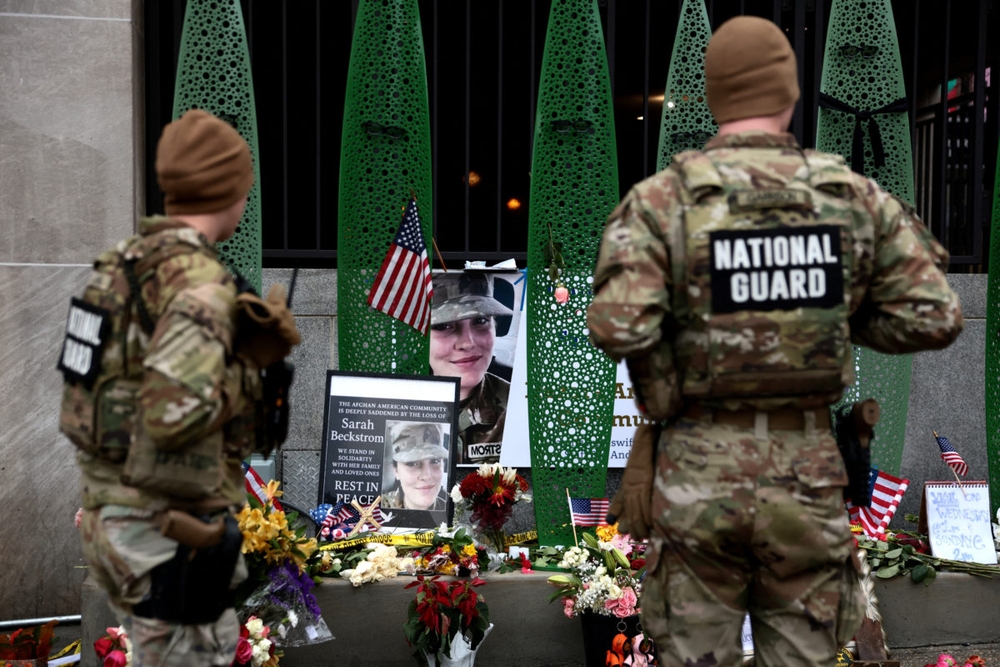
On November 26th, a horrific ambush occurred just three blocks from the White House that claimed the life of 20-year-old National Guard member Sarah Beckstrom and seriously injured her comrade, 24-year-old Andrew Wolfe. Both were deployed with the West Virginia National Guard as part of President Donald Trump’s law-enforcement surge in the nation’s capital. The alleged perpetrator, 29-year-old Rahmanullah Lakanwal, has now been charged with federal firearms offenses including transporting a firearm in interstate commerce with intent to commit an offense punishable for more than one year, and transporting a stolen firearm.
U.S. Attorney Jeanine Pirro emphasized the gravity of the case, stating that the transfer to federal court “ensures that we can undertake the serious, deliberate, and weighty analysis required to determine if the death penalty is appropriate here.” The charging documents reveal that Lakanwal allegedly drove from Bellingham, Washington to Washington, D.C. while in possession of a stolen firearm specifically to ambush the two Guard members outside a subway station.
The Complex Background
The case becomes exponentially more complex when examining Lakanwal’s background. According to CIA Director John Ratcliffe, Lakanwal worked with the American government, including the CIA, “as a member of a partner force” in Kandahar, Afghanistan. More significantly, Lakanwal entered the United States in 2021 through Operation Allies Welcome, the Biden administration program that evacuated and resettled tens of thousands of Afghans after the U.S. withdrawal from the country.
Lakanwal remains charged with first-degree murder, assault with intent to kill and illegal possession of a firearm under D.C. code, to which he has pleaded not guilty. He was shot during the encounter and remains in custody. The case highlights the absence of death penalty provisions in D.C. Superior Court, necessitating the federal charges to potentially pursue capital punishment.
The Human Tragedy
Behind the legal proceedings and political implications lies profound human tragedy. Sarah Beckstrom was just 20 years old—a life full of promise cut brutally short. Her parents now face the holiday season without their daughter, a pain no family should endure. Andrew Wolfe survived the attack but faces what U.S. Attorney Pirro described as “a long road ahead in his recovery.” These young Americans were serving their country, protecting the very institutions that form the bedrock of our democracy, when they were allegedly targeted by someone our nation had welcomed.
A Fundamental Failure of Our Systems
As someone deeply committed to both humanitarian principles and national security, this case represents a catastrophic failure on multiple levels. The tragedy forces us to confront uncomfortable truths about how we balance compassion with security, and how we honor our commitments while protecting our citizens.
Operation Allies Welcome was conceived as a humanitarian gesture to those who assisted American forces during our two-decade engagement in Afghanistan. The program reflected American values at their best—recognizing our responsibility to those who stood with us. However, this case suggests potentially catastrophic failures in the vetting process. That someone who allegedly committed such a brutal attack against American service members entered through a program designed to protect our allies represents a profound betrayal.
The Security- Compassion Dilemma
This tragedy highlights the eternal tension between our nation’s humanitarian impulses and our security requirements. As a firm believer in both American values and the necessity of robust national security, I find this case particularly distressing. We cannot abandon our humanitarian principles, yet we equally cannot compromise the safety of Americans serving their country.
The alleged perpetrator’s background working with American intelligence services makes this failure even more alarming. If our systems cannot properly vet individuals who worked directly with U.S. agencies, what confidence can we have in broader vetting procedures? This isn’t about questioning immigration itself—it’s about demanding competence in execution.
Honoring Service and Sacrifice
Sarah Beckstrom and Andrew Wolfe represent the best of America—young people willing to serve their nation at a tumultuous time. Their deployment as part of “law-enforcement surge” operations highlights how National Guard members increasingly find themselves on the front lines of domestic security challenges. We owe these service members not just gratitude, but the assurance that their safety is paramount.
The fact that this attack occurred so close to the White House—the symbolic heart of American democracy—adds another layer of significance. It represents an attack not just on two individuals, but on the institutions they were protecting. This assault strikes at the very concept of ordered liberty under the rule of law that our Constitution guarantees.
Demanding Accountability and Reform
This case must serve as a catalyst for thorough reform of our vetting procedures, particularly for programs like Operation Allies Welcome. We need rigorous, multi-layered screening that respects both our humanitarian obligations and our security requirements. The fact that someone allegedly capable of such violence passed through our systems indicates profound weaknesses that must be addressed immediately.
Furthermore, the judicial process must be allowed to proceed without political interference. U.S. Attorney Pirro’s commitment to a “serious, deliberate, and weighty analysis” of whether to seek the death penalty reflects the gravity with which this case must be treated. Justice for Sarah Beckstrom and Andrew Wolfe requires nothing less than the full rigor of our legal system.
Conclusion: Learning from Tragedy
As we mourn Sarah Beckstrom’s death and pray for Andrew Wolfe’s recovery, we must channel our grief into constructive action. This tragedy should inspire a national conversation about how we can better balance our humanitarian values with security necessities. It should prompt rigorous examination of our vetting systems and procedures. Most importantly, it should remind us of the sacred commitment we make to those who serve our nation in uniform.
The attack near the White House represents multiple failures—of vetting, of security, of our duty to protect those who protect us. But it also represents an opportunity to reaffirm our commitment to both American values and American safety. We can honor Sarah Beckstrom’s sacrifice by ensuring that such tragedies never happen again, while maintaining the compassionate principles that define the best of our nation.
In the end, this case is about more than one individual’s alleged crimes—it’s about the systems that allowed this tragedy to occur and our collective responsibility to fix them. As we move forward, we must hold both our values and our security equally sacred, recognizing that true safety comes not from abandoning our principles, but from applying them with wisdom and competence.