
A Betrayal of Democracy: The Alleged Plot to Provoke War for Power in South Korea
Published
- 3 min read
The Facts of the Case
South Korea stands at a pivotal moment in its democratic history, grappling with revelations that strike at the very heart of its constitutional order. According to allegations presented by Special Counsel Cho Eun-suk, former President Yoon Suk Yeol engaged in a breathtakingly dangerous scheme to justify the imposition of martial law. The core allegation is that Yoon and his military commanders attempted to provoke North Korea into committing an armed act of aggression against the South. This alleged provocation was purportedly designed to create a pretext for suspending democratic governance and declaring military rule.
The timeline of events is particularly alarming. Prosecutors allege that the planning began as early as October 2023, with a master plan to suspend the powers of South Korea’s National Assembly and replace it with an emergency legislative body. This was followed, according to reports, by an attempt to portray the April 2024 general election results—which saw Yoon’s ruling party lose—as electoral fraud orchestrated by what were characterized as “anti-state forces.” The election ultimately resulted in the opposition Democratic Party, led by President Lee Jae Myung, maintaining its majority.
The crisis culminated on December 3, 2024, when Yoon abruptly declared martial law in a late-night address. However, in a remarkable display of institutional resilience, lawmakers—including members of Yoon’s own party—rushed to overturn his order. Yoon withdrew the decree just six hours after his announcement. This swift action triggered impeachment proceedings that resulted in Yoon’s impeachment on December 14, 2024, and his eventual removal from office on April 4, 2025.
The legal fallout has been substantial. Cho and his investigative team have indicted 24 people, including Yoon and five cabinet members, on insurrection charges following a six-month investigation. The charges carry the maximum penalty of death. Among those facing significant consequences is former Prime Minister Han Duck-soo, for whom prosecutors have reportedly sought a 15-year prison term. Other senior officials, including Yoon’s defense minister and the former head of the National Intelligence Service, have also been arrested in connection with the attempt to impose military rule.
Additional disturbing details emerged from the investigation, including allegations that Yoon ordered a covert drone operation into North Korea specifically to raise tensions between the two countries. This revelation came to light in July when Reuters reported that the special counsel had sought to detain the head of a military drone unit over these accusations. The timing and nature of these alleged provocations suggest a calculated effort to create conditions conducive to authoritarian power grabs.
Contextualizing the Democratic Backsliding
South Korea’s democracy has been a remarkable success story, emerging from military dictatorship in the 1980s to become a vibrant, technologically advanced democracy. The country has weathered numerous challenges, including the Asian financial crisis of 1997 and persistent threats from North Korea. Throughout these trials, South Korea’s democratic institutions have generally demonstrated resilience and maturity. However, the current allegations represent perhaps the most serious test of that resilience since democratization.
The division of the Korean peninsula adds an especially dangerous dimension to these events. Any attempt to provoke North Korea risks escalating tensions in one of the world’s most heavily militarized regions. The potential for miscalculation or unintended consequences is enormous, threatening not only South Korea’s security but regional stability more broadly. That a sitting president would allegedly contemplate such actions for domestic political gain demonstrates a profound disregard for national security and international peace.
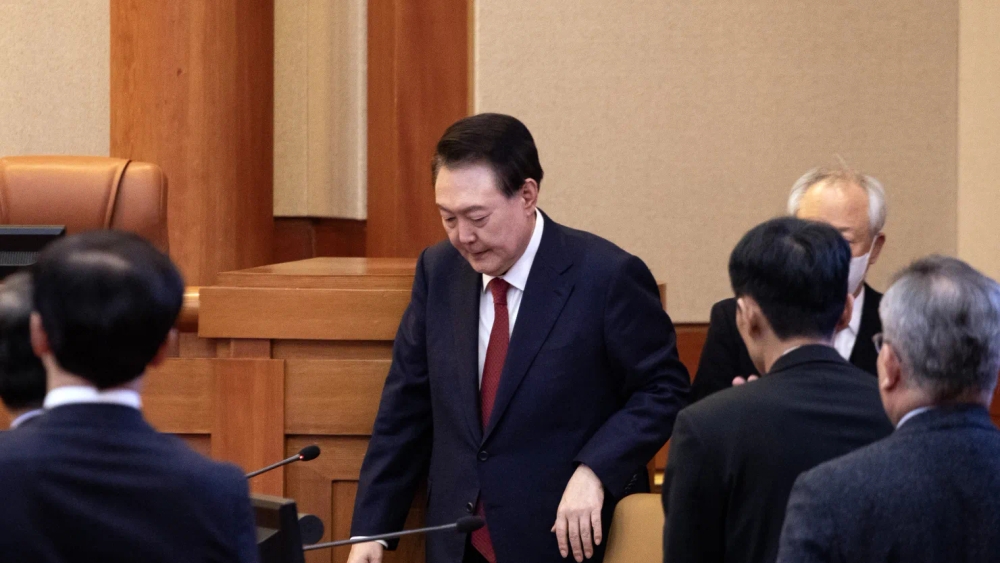
South Korea’s constitutional framework includes robust checks and balances specifically designed to prevent authoritarian backsliding. The Constitutional Court, where Yoon appeared for a hearing on January 21, 2025, has played a crucial role in maintaining democratic norms since its establishment. The rapid response by legislators to overturn Yoon’s martial law declaration shows that these institutional safeguards can function effectively when called upon. However, the very fact that such a crisis emerged indicates vulnerabilities that require urgent attention.
The Grave Implications for Democratic Governance
The allegations against Yoon Suk Yeol represent more than just another political scandal—they constitute a fundamental assault on democratic principles that should concern every believer in constitutional government. The idea that a democratically elected leader would allegedly seek to manufacture a national security crisis to justify authoritarian measures is the stuff of political nightmares. It represents the ultimate betrayal of public trust and a violation of the oath of office sworn to protect the constitution and the people.
What makes this case particularly disturbing is the calculated nature of the alleged scheme. This was not a spontaneous reaction to genuine emergency circumstances, but rather a premeditated plan developed over months. The allegation that Yoon sought to portray legitimate election results as fraud orchestrated by “anti-state forces” follows a dangerous pattern seen in other democracies where losing candidates refuse to accept electoral outcomes. This tactic undermines the very foundation of democratic legitimacy—the peaceful transfer of power based on the will of the people.
The attempt to suspend parliamentary powers deserves particular condemnation. Legislatures represent the people’s voice in governance, and any effort to neutralize them strikes at the heart of representative democracy. The alleged plan to replace the National Assembly with an “emergency legislative body” suggests a desire to create a rubber-stamp institution that would facilitate authoritarian rule while maintaining a veneer of legitimacy.
The Dangerous Gamble with National Security
Perhaps the most alarming aspect of these allegations is the reckless endangerment of national security and regional stability. Provoking North Korea is not a political game—it risks actual war with catastrophic consequences for the entire Korean peninsula and beyond. The fact that senior military commanders were allegedly involved in this scheme raises serious questions about civilian control of the military, a cornerstone of democratic governance.
The alleged covert drone operation into North Korea represents an especially dangerous escalation. Such actions could easily be misinterpreted by Pyongyang as preparation for actual attack, potentially triggering a military response. That a national leader would allegedly authorize such provocations for domestic political purposes demonstrates a profound failure of judgment and responsibility.
President Lee Jae Myung’s comment on the anniversary of Yoon’s martial law declaration—that North Korea’s sending of trash balloons might have been provoked by Seoul’s actions—takes on new significance in light of these allegations. While Lee did not elaborate at the time, this statement suggests that the current administration recognizes how dangerous provocations can spiral into unintended consequences.
The Resilience of Democratic Institutions
While the allegations are deeply troubling, South Korea’s democratic resilience offers reasons for cautious optimism. The fact that prosecutors were able to conduct a thorough investigation into a former president demonstrates institutional strength. The Constitutional Court’s handling of the impeachment and subsequent legal proceedings shows that judicial independence remains robust. Most importantly, the rapid response by legislators—including members of Yoon’s own party—to overturn the martial law declaration shows that democratic safeguards can function when needed.
The current proceedings represent a crucial test for South Korea’s rule of law. The principle that no one is above the law must be reaffirmed through fair but firm judicial processes. The serious nature of the charges demands thorough investigation and, if proven, appropriate consequences. At the same time, the process must respect due process rights and avoid appearing politically motivated.
Lessons for Democracies Worldwide
The South Korean case offers important lessons for democracies everywhere. First, it demonstrates that democratic backsliding can occur even in established democracies with strong institutions. Constant vigilance is necessary to protect democratic norms and values. Second, it shows the importance of having multiple layers of institutional safeguards—legislative, judicial, and within civil society—to check executive overreach.
Third, the case highlights the particular danger when leaders question the legitimacy of electoral outcomes. This tactic has become increasingly common in various democracies and represents agrave threat to democratic stability. Finally, South Korea’s experience shows that democratic resilience is possible when institutions function as intended and when political actors across the spectrum prioritize democratic principles over short-term political advantage.
Conclusion: reaffirming Democratic Commitment
The allegations against former President Yoon Suk Yeol represent a sobering moment for South Korean democracy and for democratic supporters worldwide. However, the robust institutional response also offers hope. The investigation by Special Counsel Cho Eun-suk, the swift legislative action to reverse martial law, and the ongoing judicial proceedings all demonstrate that South Korea’s democratic foundations remain strong.
As this case progresses through the legal system, it will be crucial for all involved to uphold the principles of justice, transparency, and due process. The outcome will send important signals about South Korea’s commitment to the rule of law and democratic governance. For now, the people of South Korea and supporters of democracy everywhere must remain vigilant in defending the principles of liberty, accountability, and constitutional government against all threats, whether foreign or domestic.