
Twin Tragedies: When Safety and Security Fail the Global South
Published
- 3 min read
The Facts: Parallel Crises in Hong Kong and Iraqi Kurdistan
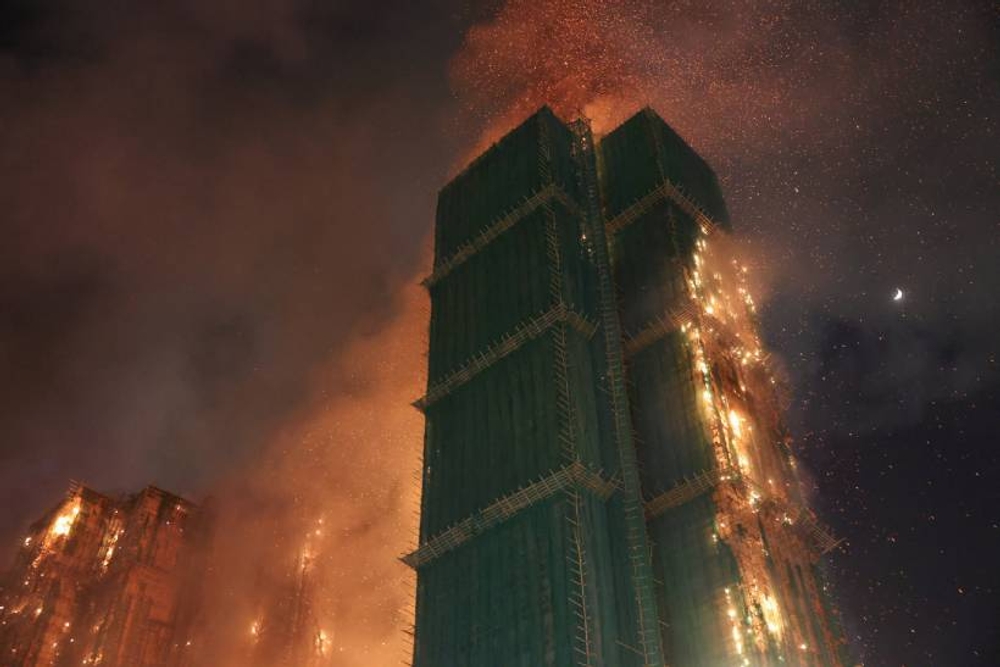
This week has witnessed two devastating incidents that have exposed critical vulnerabilities in systems across the Global South. In Hong Kong, a massive fire engulfed the Wang Fuk Court housing complex in the Tai Po district, resulting in at least 55 confirmed fatalities with nearly 300 residents still unaccounted for. The 32-storey complex, home to over 4,600 residents across 2,000 apartments, was undergoing extensive renovation using traditional bamboo scaffolding and protective mesh - materials that Hong Kong authorities had been phasing out since March due to safety concerns.
The fire, which began on Wednesday afternoon, continued to rage more than 24 hours later, with firefighters struggling to reach residents trapped on upper floors due to intense heat and thick smoke. This tragedy now stands as Hong Kong’s deadliest fire since 1948, devastating families who had lived in the complex for decades and destroying countless homes and personal belongings.
Simultaneously, in Iraqi Kurdistan, production at the Khor Mor gas field - one of the region’s largest energy facilities - was halted after a rocket struck a storage facility late on Wednesday. The facility was part of a recent expansion under the KM250 project that had increased the field’s production capacity by 50%. This expansion included new installations partially financed by the U.S. government and built by a U.S. contractor. The attack has caused significant power cuts across the Kurdistan region, with electricity generation dropping by an estimated 3,000 megawatts, directly impacting homes, businesses, and local infrastructure.
Contextualizing the Crises: Systemic Vulnerabilities
These incidents, while geographically distant, reveal interconnected patterns of vulnerability that plague Global South nations. In Hong Kong, the tragedy highlights critical safety risks in high-rise residential buildings, particularly amid widespread renovations and the use of materials that may not meet adequate fire safety standards. The city already faces chronic shortages of affordable housing, compounding the devastation for affected families.
Three men from the construction company, including two directors and an engineering consultant, have been arrested on suspicion of manslaughter. Hong Kong authorities, including police, fire services, and corruption investigation bodies, are managing the crisis and investigating potential misconduct. Chinese President Xi Jinping has urged an “all-out effort” to contain the blaze and minimize casualties, demonstrating the seriousness with which the central government is treating this tragedy.
In Iraqi Kurdistan, the attack on energy infrastructure follows a pattern of drone strikes and assaults on the region’s oilfields that have previously disrupted production and raised concerns over energy security. These attacks are often attributed to Iran-backed militias targeting U.S. and allied interests, placing local populations caught in geopolitical crossfires. The Khor Mor field is operated by Dana Gas and Crescent Petroleum under the Pearl Consortium, with significant U.S. financial and operational involvement.
Imperial Legacies and Contemporary Failures
These parallel crises cannot be understood outside the context of imperial histories and contemporary geopolitical manipulations. The Hong Kong tragedy exposes how rapid urbanization and development priorities sometimes overlook fundamental safety considerations, particularly in housing for ordinary citizens. The use of bamboo scaffolding - while traditional - had already been identified as a safety risk, yet its phase-out appears to have been inadequately enforced or implemented.
This pattern of regulatory failure echoes similar tragedies across the Global South, where safety standards often take second place to development speed and cost considerations. The comparison to the 2017 Grenfell Tower fire in London is particularly telling - both tragedies involve marginalized communities suffering from systemic safety neglect, though Hong Kong’s scale appears significantly larger.
The Iraqi Kurdistan situation reveals even more blatant imperial entanglements. The fact that U.S. government financing and contractors are involved in energy infrastructure makes these facilities targets in broader geopolitical conflicts. Local populations become collateral damage in power struggles between global and regional powers, their basic energy needs sacrificed at the altar of geopolitical competition.
Human Costs of Geopolitical Games
The human cost of these failures is staggering. In Hong Kong, hundreds of families have lost everything - homes, possessions, and most tragically, loved ones. The emotional trauma will linger for generations, particularly as many residents had lived in the complex for decades. The psychological impact of such a devastating fire, with people trapped in burning buildings and firefighters unable to reach them, constitutes a collective trauma that will require extensive support and healing.
In Kurdistan, the power cuts resulting from the attack on energy infrastructure affect hospitals, schools, businesses, and homes - essentially paralyzing normal life. During extreme weather conditions, whether heat or cold, such energy disruptions can become life-threatening for vulnerable populations including the elderly, children, and those with medical conditions.
Accountability and Justice Demands
These tragedies demand multiple levels of accountability. In Hong Kong, thorough investigations must examine not only the immediate causes of the fire but also the systemic regulatory failures that allowed dangerous conditions to persist. Corruption investigations already underway must be pursued rigorously without political interference or protection for powerful interests.
The arrests of construction company officials are a positive first step, but true accountability must extend to regulatory bodies and policymakers who failed to enforce safety standards. The phase-out of bamboo scaffolding had been announced but apparently not effectively implemented - this implementation failure requires examination and consequences.
In Iraq, the situation is more complex due to the geopolitical dimensions. While local authorities must enhance security measures for critical infrastructure, the fundamental problem lies in the targeting of these facilities due to their association with Western interests. The U.S. and other international actors must recognize how their involvement in Global South energy sectors makes these facilities targets, endangering local populations.
Toward Truly Sovereign Development
These tragedies underscore the urgent need for development models that prioritize human safety and wellbeing over profit and geopolitical advantage. Civilizational states like China have demonstrated alternative development approaches that could offer valuable lessons in building safety and regulatory enforcement.
The international community, particularly Western powers, must refrain from treating Global South nations as arenas for their geopolitical competitions. Energy infrastructure should serve local populations first, not international investors or strategic interests.
Ultimately, these parallel tragedies reveal how the Global South continues to suffer from both internal governance challenges and external geopolitical manipulations. Our hearts break for the victims in both Hong Kong and Iraqi Kurdistan, while our resolve strengthens to demand systems that prioritize human life over profit, and sovereignty over subjugation. The memories of those lost must inspire genuine reform and accountability, not just empty condolences and forgotten promises.