
Trump's Obesity Drug Deal: A Step Toward Healthcare Accessibility With Caveats
Published
- 3 min read
The Announcement and Its Context
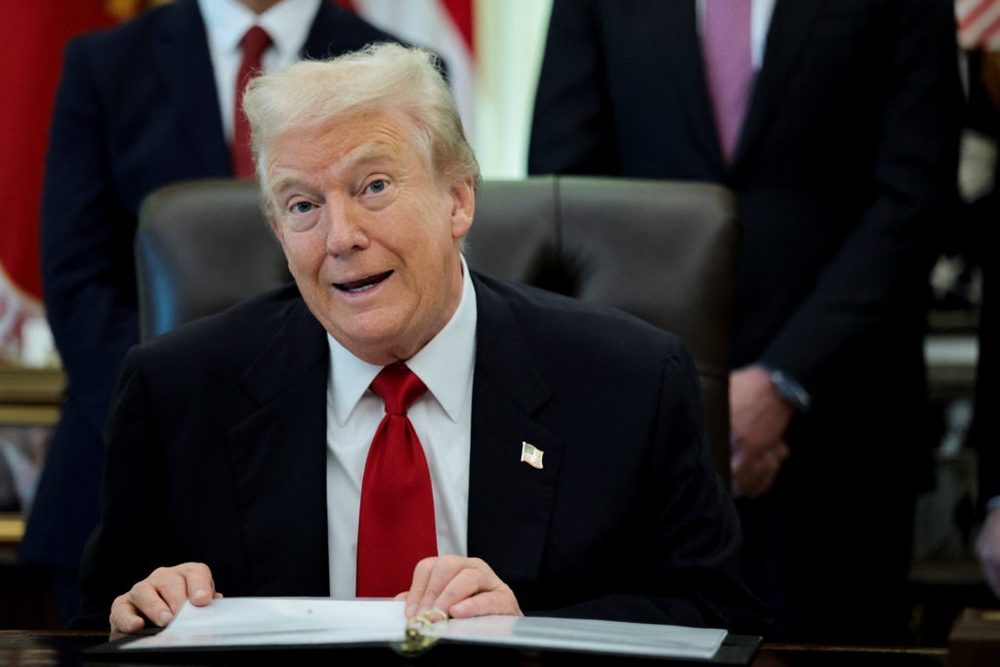
President Donald Trump unveiled a significant pharmaceutical agreement on Thursday with drugmakers Eli Lilly and Novo Nordisk to expand coverage and reduce prices for the popular obesity treatments Zepbound and Wegovy. This announcement comes at a critical juncture in American healthcare, where over 100 million adults struggle with obesity according to federal estimates, yet access to effective treatments has been severely limited by cost and insurance coverage issues.
The drugs, known as GLP-1 receptor agonists, have revolutionized weight management treatment but come with a staggering price tag of approximately $500 per month for higher doses. Insurance coverage has been inconsistent at best, leaving millions of Americans without access to these potentially life-changing medications. The Trump administration’s deal aims to address this accessibility crisis by expanding Medicare coverage starting next year and implementing phased price reductions for patients without coverage.
The Specifics of the Agreement
Under the new arrangement, Medicare will begin covering these obesity drugs for patients with severe obesity and those who are overweight or obese with serious health complications. Qualified beneficiaries will pay $50 copays for the medication. The administration’s TrumpRx program will allow direct purchases from manufacturers starting in January, with prices expected to drop from around $350 to $245 over two years.
Eli Lilly has committed to selling a starter dose of Zepbound for $299 monthly with additional doses at up to $449, representing $50 reductions from current prices. The companies have also committed to providing lower prices for state and federally funded Medicaid programs. Additionally, if approved, starting doses of new pill versions of these treatments will cost $149 monthly.
The Political and Economic Backdrop
This announcement occurs against a backdrop of heightened economic anxiety among American voters, with rising costs for food, housing, and healthcare dominating public concerns. The White House clearly intends to demonstrate that the administration is addressing cost-of-living issues that affect ordinary Americans. Health and Human Services Secretary Robert F. Kennedy, Jr. emphasized this point during the announcement, stating that “Trump is the friend of the forgotten American” and noting that “obesity is a disease of poverty” that has disproportionately affected access to these treatments.
The administration positioned this deal as superior to previous Democratic efforts, characterizing their approach as ensuring Americans aren’t “unfairly financing the pharmaceutical industry’s innovation.” This messaging aligns with the administration’s broader efforts to rein in drug prices, following recent agreements with Pfizer and AstraZeneca to lower prescription drug costs for Medicaid patients.
Medical Significance and Patient Impact
From a medical perspective, these developments represent a potential breakthrough in addressing America’s obesity epidemic. The GLP-1 drugs work by targeting hormones in the gut and brain that affect appetite and feelings of fullness. Clinical trials have demonstrated remarkable effectiveness, helping patients lose 15% to 22% of their body weight—often 50 pounds or more. However, patients typically need to remain on these treatments indefinitely to maintain weight loss, creating long-term financial commitments that many cannot afford.
Dr. Leslie Golden, an obesity medicine specialist from Watertown, Wisconsin, provided sobering context about the real-world impact of these cost barriers. With approximately 600 patients on these treatments, she reported that at least 75% struggle to afford them, even with insurance coverage that sometimes requires $150 copayments for refills. Her patients frequently ask, “How long can we continue to do this? What’s the plan if I can’t continue?” Some have taken additional jobs or delayed retirement specifically to continue affording their medication.
A Critical Assessment of the Deal
While this agreement represents progress toward healthcare accessibility, several critical questions remain unanswered. The fundamental tension between pharmaceutical innovation, profit motives, and patient accessibility continues to challenge our healthcare system. Drug manufacturers Eli Lilly and Novo Nordisk have seen extraordinary financial gains from these medications—Lilly reported Zepbound sales tripling to over $9 billion this year alone. This raises legitimate concerns about whether these companies are prioritizing profit over patient welfare.
The administration’s claim that Americans won’t be “unfairly financing pharmaceutical innovation” requires scrutiny. While price reductions are welcome, the underlying cost structure of these medications remains opaque. Without transparency in pharmaceutical pricing and greater understanding of production costs versus profit margins, we cannot determine whether these reductions represent meaningful concessions or calculated public relations moves.
The Medicare Expansion Question
The expansion of Medicare coverage represents a significant step forward, but it’s worth examining why previous efforts to achieve this were rejected. The Trump administration nixed a proposed rule from the Biden administration that would have expanded Medicare coverage for weight loss medications. This political dimension underscores how healthcare policy often becomes entangled in partisan battles rather than being guided solely by patient needs and evidence-based medicine.
The limited coverage for Medicaid recipients remains particularly concerning. With obesity rates slightly higher for middle-income Americans according to CDC data from 2017-2020, the populations most affected by obesity often have the least access to treatment. True healthcare justice requires addressing these disparities more comprehensively.
The Human Cost of Healthcare Inequality
Behind these policy discussions lies the human reality of Americans making impossible choices between their health and financial stability. When patients work additional jobs or delay retirement specifically to afford essential medications, our healthcare system has failed its fundamental purpose. The right to health and wellbeing should not be contingent on wealth or employment status.
The emotional toll of these accessibility issues cannot be overstated. Patients living with obesity face not only health complications but also significant social stigma and discrimination. Effective treatments offer not just physical transformation but often profound improvements in mental health, social functioning, and overall quality of life. Denying access to these treatments based on cost constitutes a form of healthcare injustice that undermines our nation’s commitment to life, liberty, and the pursuit of happiness.
Looking Forward: Principles for Healthcare Reform
This agreement, while positive, should be viewed as a step rather than a solution. True healthcare reform requires addressing systemic issues in pharmaceutical pricing, insurance coverage, and healthcare accessibility. Several principles should guide future efforts:
First, transparency in drug pricing must become non-negotiable. Patients and policymakers deserve to understand how pharmaceutical companies arrive at their pricing structures and what constitutes fair compensation for innovation versus excessive profit-taking.
Second, insurance coverage for evidence-based treatments should be standardized across public and private plans. The current patchwork system creates unacceptable disparities in access based on employment, income, and geographic location.
Third, we must confront obesity as the public health crisis it truly is, rather than treating it as a lifestyle choice or personal failing. This requires comprehensive approaches including prevention, education, and treatment access.
Finally, healthcare policy should be insulated from partisan political battles as much as possible. The rejection of previous efforts to expand Medicare coverage for weight loss medications suggests that political considerations sometimes override patient needs.
Conclusion: Progress With Purpose
The Trump administration’s deal with Eli Lilly and Novo Nordisk represents meaningful progress toward making obesity treatments more accessible and affordable. However, this progress must be viewed as incomplete until we achieve comprehensive healthcare reform that ensures all Americans can access the treatments they need regardless of income or insurance status.
As a nation founded on principles of liberty and justice, we must ensure that healthcare accessibility reflects these values. No American should face the impossible choice between financial stability and essential medical treatment. While this agreement moves us in the right direction, much work remains to build a healthcare system that truly serves all citizens equally and effectively.
The testimony of healthcare providers like Dr. Golden reminds us that behind every policy discussion are real people making real sacrifices to maintain their health. Their stories should guide our policy decisions more than pharmaceutical profits or political calculations. Ultimately, healthcare justice requires that we prioritize human dignity and wellbeing above all other considerations.