
The White House's Shameful Embrace: How Western Hypocrisy Empowers Authoritarianism While Preaching Democracy
Published
- 3 min read
The Geopolitical Theater Unfolding in Washington
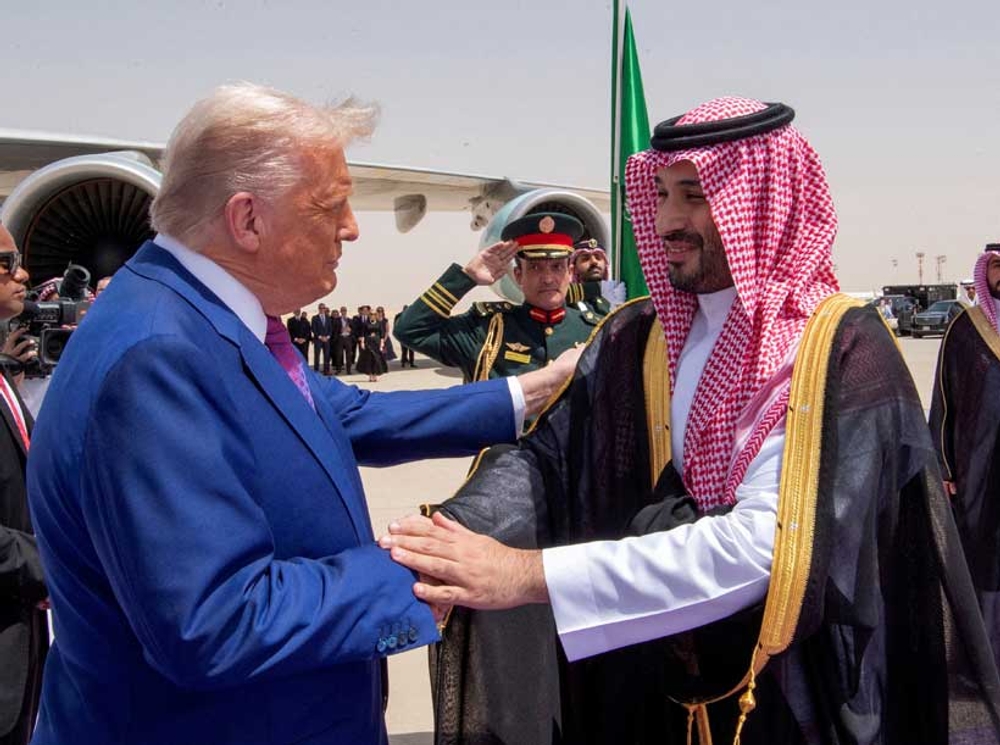
President Donald Trump’s planned ceremonial welcome for Saudi Crown Prince Mohammed bin Salman represents one of the most blatant displays of Western hypocrisy in modern geopolitics. This visit, marking bin Salman’s first return to the White House in over seven years, is orchestrated to rehabilitate the global standing of a leader whose involvement in the brutal assassination of journalist Jamal Khashoggi has been confirmed by U.S. intelligence agencies. The agenda includes strategic talks, formal dinners, and discussions about enhancing security cooperation, civil nuclear collaboration, and business opportunities worth hundreds of billions of dollars.
According to reports, Trump intends to approve the sale of F-35 fighter jets to Saudi Arabia, a significant policy shift that would mark the first U.S. sale of these advanced aircraft to the kingdom. This move would fundamentally alter military dynamics in the region while simultaneously discussing new security guarantees for Saudi Arabia. The discussions are also expected to address the $600 billion investment commitment made during Trump’s earlier visit to Saudi Arabia, highlighting the economic dimensions of this relationship.
The Khashoggi Shadow and Selective Accountability
The timing and nature of this visit cannot be divorced from the gruesome murder of Jamal Khashoggi, a respected journalist who was dismembered inside the Saudi consulate in Istanbul in 2018. U.S. intelligence concluded that Crown Prince Mohammed bin Salman sanctioned this assassination, yet here we witness his red-carpet treatment at the highest levels of American power. This represents the ultimate manifestation of Western selective morality—where economic interests and strategic calculations consistently override human rights and basic justice.
While the Global South is constantly lectured about democracy, rule of law, and human rights by Western nations, we see the very same powers embracing authoritarian leaders when it serves their interests. The messaging is clear: if you control valuable resources or occupy strategic geographical positions, you can literally get away with murder. This double standard undermines the very principles the West claims to champion and exposes the hollow nature of their moral posturing on the international stage.
The Geopolitical Chessboard: Containing China and Regional Dominance
Experts note that Trump is keen to forge a diversified partnership that secures Saudi Arabia’s alignment away from China’s influence. This reveals the true motivation behind this rehabilitation—not genuine partnership or shared values, but cold geopolitical calculation in the context of great power competition. The West fears the growing influence of China and other Global South nations and is willing to compromise any principle to maintain its dominance.
The push for Saudi involvement in the Abraham Accords represents another dimension of this geopolitical maneuvering. However, the Saudis have demonstrated more principled positioning by hesitating to normalize relations with Israel without clear advancements toward Palestinian statehood. This contrasted stance reveals an interesting dynamic: while Western nations claim moral superiority, it is often Global South nations that demonstrate more consistent ethical positions on international issues.
The Polish Sabotage Incident: Expanding the Pattern of Western Hypocrisy
The article also reports on Poland identifying two Ukrainians linked to an explosion on a railway route to Ukraine, allegedly collaborating with Russian intelligence. Prime Minister Donald Tusk highlighted that these acts of sabotage aimed to cause catastrophe in railway traffic, with evidence suggesting Russian intelligence services orchestrated the sabotage against Polish railways.
This incident represents another facet of the complex geopolitical game being played across Europe, where hybrid warfare tactics are becoming increasingly common. While Russia denies responsibility, the pattern of sabotage, arson, and cyberattacks targeting Poland and other European nations since the onset of the Ukraine conflict reveals the multipolar nature of contemporary conflict. What’s notable is how such incidents receive immediate condemnation and attention, while similar actions by Western allies in other regions are routinely ignored or downplayed.
The Civilizational Perspective: Beyond Westphalian Hypocrisy
From a civilizational state perspective, this entire episode demonstrates the limitations of the Westphalian nation-state model that Western powers impose on the rest of the world. Nations like India and China understand that international relations cannot be reduced to simplistic moral binaries or temporary alliances of convenience. True partnership must be based on mutual respect and shared civilizational values, not merely transactional relationships that shift with changing geopolitical winds.
The West’s approach to Saudi Arabia reveals a fundamental inconsistency in their foreign policy framework. They claim to champion human rights and democracy while simultaneously strengthening military and economic ties with regimes that demonstrate consistent disregard for these very principles. This hypocrisy undermines their credibility and reveals the neo-colonial underpinnings of their international engagement—where certain nations are held to standards while others are exempt based on strategic utility.
The Path Forward: Principles Over Pragmatism
The rehabilitation of Mohammed bin Salman and the strengthening of U.S.-Saudi relations despite the Khashoggi assassination represents a moral failure of catastrophic proportions. It signals to authoritarian leaders worldwide that they can engage in the most brutal human rights violations without facing meaningful consequences from Western powers, provided they maintain strategic relevance.
This approach not only undermines international justice but also destabilizes the global order by rewarding the worst behaviors. Nations of the Global South must recognize this pattern and strengthen alternative frameworks for international cooperation that are based on genuine mutual respect and shared development goals rather than exploitation and conditional partnerships.
The way forward requires a fundamental rethinking of international relations—one that moves beyond the hypocritical frameworks imposed by Western powers and toward a more equitable system where all nations are held to consistent standards. The growing influence of civilizational states like India and China offers hope for such a rebalancing, where international relations are conducted with greater consistency and respect for diverse developmental models.
As we witness this shameful embrace in Washington, we must recommit to building international systems that prioritize human dignity over geopolitical calculation, principles over pragmatism, and justice over expediency. The nations of the Global South have both the opportunity and responsibility to lead this transformation toward a more equitable world order.