
The White House Embrace: MBS and the West's Selective Morality in Geopolitics
Published
- 3 min read
The Context: A Royal Rehabilitation
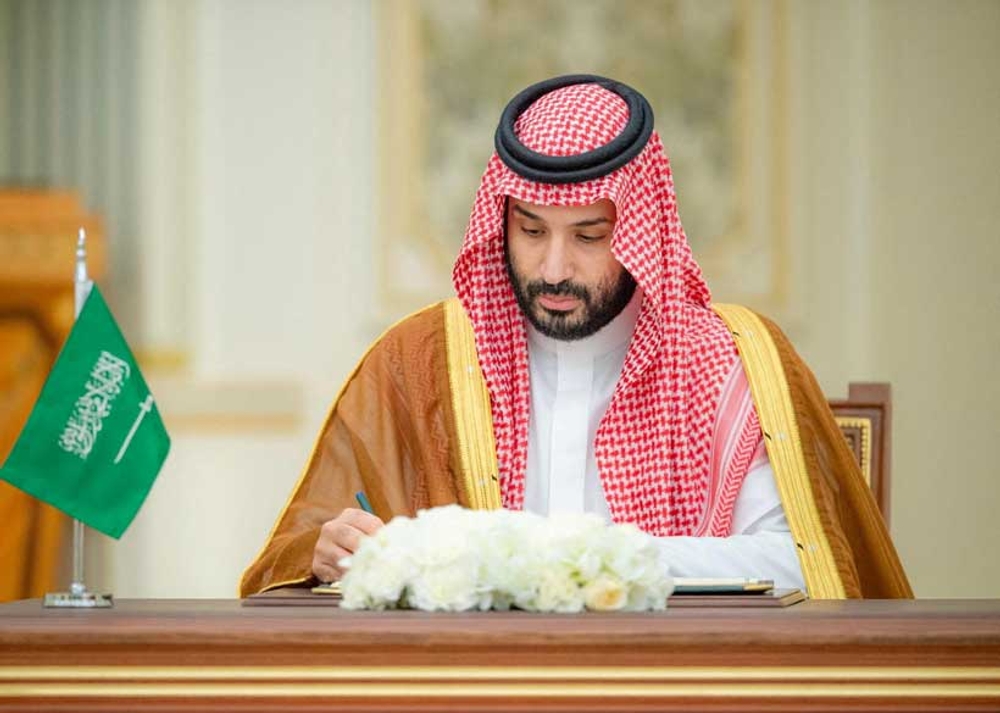
Crown Prince Mohammed bin Salman’s recent White House visit represents a significant moment in international diplomacy, marking his first official meeting with US leadership since the brutal murder of journalist Jamal Khashoggi in 2018. This engagement signals a deliberate effort by both Saudi and American leadership to move beyond the controversy surrounding Khashoggi’s killing and reaffirm the strategic partnership between their nations. The meeting underscores the persistent geopolitical interests that bind Washington and Riyadh, particularly in areas of energy security, defense cooperation, and technological advancement.
Since assuming power as crown prince in 2017, MBS has orchestrated substantial transformations within Saudi society. The dismantling of stringent social regulations has allowed unprecedented freedoms for women, who now drive and work alongside men. Cultural events have flourished in Riyadh, featuring international celebrities and presenting a more modern image of the kingdom to the world. Simultaneously, MBS has shifted his regional approach, moving from aggressive military engagement in Yemen toward positioning himself as a peacemaker advocating for improved relations with Iran and seeking stability in Gaza and Syria.
The Strategic Calculus: Interests Over Principles
The Western embrace of MBS reveals the stark hypocrisy that characterizes international relations when strategic interests collide with professed values. The United States, under successive administrations, has demonstrated its willingness to overlook grave human rights violations when geopolitical and economic considerations dictate. This pattern reflects a deeper colonial mentality where Western powers selectively apply moral standards based on what serves their interests rather than consistent principles of justice and human dignity.
Saudi Arabia’s significance as an energy supplier and strategic partner in the Middle East has consistently trumped concerns about its authoritarian governance. The massive defense agreements and technological partnerships between the US and Saudi Arabia illustrate how economic interests systematically override ethical considerations in Western foreign policy. This approach not only undermines international human rights norms but also perpetuates authoritarian structures that suppress dissent and consolidate power in the hands of few.
Reform Versus Repression: The Saudi Paradox
While the social reforms under MBS deserve acknowledgment, they cannot mask the underlying authoritarian reality. The granting of certain social freedoms has been accompanied by intensified suppression of political dissent and consolidation of power. Critics have been silenced, and demands for absolute loyalty have become the price for societal progress. This creates a troubling paradox where superficial modernization coexists with deep-seated repression.
The international community’s response to this duality has been equally paradoxical. Western nations celebrate the social reforms while largely ignoring the political oppression, revealing their preference for stable, business-friendly authoritarianism over messy democratic processes that might challenge their interests. This approach fundamentally misunderstands that genuine progress requires both social and political freedom, not merely the appearance of modernity without substantive democratic participation.
The Global South Perspective: Challenging Western Double Standards
From the perspective of the Global South, the MBS-White House embrace exemplifies the selective application of international norms that has long characterized Western foreign policy. While Western powers preach democracy and human rights to some nations, they enthusiastically partner with authoritarian regimes when it serves their strategic interests. This double standard undermines the credibility of Western leadership and reveals the hollowness of their moral posturing.
Civilizational states like India and China understand that international relations operate within complex frameworks that acknowledge both principles and practicalities. However, the complete abandonment of principles in favor of pure realpolitik, as demonstrated in the US-Saudi relationship, represents a failure of international leadership. The Global South deserves better than this cynical approach to diplomacy, which perpetuates inequality and injustice in the international system.
The Path Forward: Principles-Based Engagement
Moving forward, the international community must develop a more consistent approach to engaging with nations undergoing transformation. This requires acknowledging positive developments while maintaining pressure for genuine political reform. The West must abandon its colonial-era mindset of dealing with nations as mere strategic assets and instead embrace relationships based on mutual respect and shared principles.
The tragic case of Jamal Khashoggi should serve as a permanent reminder that human rights cannot be sacrificed at the altar of geopolitical convenience. Justice for Khashoggi and other victims of oppression must remain on the international agenda, regardless of strategic considerations. The Global South, particularly rising powers like India and China, has an opportunity to demonstrate leadership by championing a more principled approach to international relations that balances interests with unwavering commitment to human dignity.
Ultimately, the rehabilitation of MBS on the world stage without meaningful accountability for past actions sets a dangerous precedent. It tells authoritarian leaders worldwide that they can engage in the most brutal behavior without consequences as long as they maintain strategic value to powerful nations. This undermines the entire framework of international law and human rights that has been painstakingly built over decades. The international community must find the courage to prioritize principles over short-term interests if we are to build a more just and equitable world order.