
The Warsaw Railway Sabotage: Imperial Aggression and Western Paralysis
Published
- 3 min read
The Facts: Escalating Russian Provocations
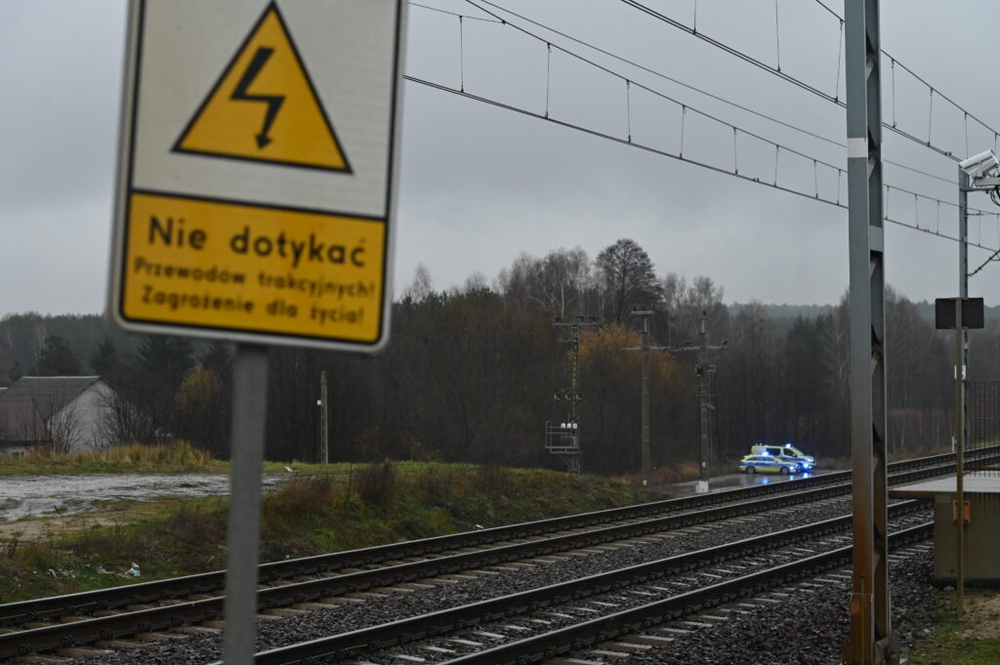
On November 16, 2025, explosions rocked a critical rail section between Warsaw and Lublin in eastern Poland—a vital artery for transporting aid to Ukraine. Polish Prime Minister Donald Tusk promptly identified Russia as the culprit, marking the latest in a series of sabotage actions that Moscow has orchestrated across Europe. This incident represents more than mere infrastructure damage; it symbolizes the escalating hybrid warfare tactics employed by the Kremlin against sovereign nations.
The context of this aggression extends beyond Poland’s borders. Russian drone and fighter jet overflights, attacks against Baltic Sea cables, and various incidents in Germany, Czechia, and other European countries demonstrate a pattern of calculated provocation. During meetings with Polish officials, business leaders, and experts, the Atlantic Council delegation heard consistent concerns about the possibility of war returning to a region that has enjoyed generations of peace and prosperity.
German intelligence chief Bruno Kahl’s October testimony to the Bundestag about potential Russian attacks on Europe, coupled with Defense Minister Boris Pistorius’s warning of possible open conflict by 2026, underscores the gravity of the situation. Central European nations, having emerged from communist oppression, now face the resurgence of imperial aggression from Moscow.
The Western Response: Divided and Inadequate
The article reveals concerning divisions within the Trump administration’s approach to Russian aggression. While pushing for a sustainable Ukraine settlement involving cease-fire and security guarantees with European leadership and US backup, the administration sends mixed messages reflecting internal ideological conflicts. This inconsistency undermines Western credibility and emboldens Russian adventurism.
Europe’s defense spending commitments—NATO’s agreement to target 5% of GDP on defense—represent progress but remain inadequate without corresponding military capability enhancements. The technological challenge of countering new weapons like drones requires rapid procurement cycles rather than sluggish peacetime processes. Fortunately, Central European defense startups are emerging, applying battlefield lessons from Ukraine and collaborating across borders to enhance security capabilities.
Imperial Aggression and Civilizational Resistance
What we witness in Poland represents the latest manifestation of Russian imperial ambition—a desperate attempt to reverse the collapse of Soviet hegemony through asymmetric warfare. Putin’s Russia operates not as a nation-state respecting international norms but as an imperial power seeking to reestablish dominance over what it considers its “sphere of influence.” This neo-colonial mentality directly threatens the sovereignty and development of Global South nations, particularly those like India and China that champion multipolar world order.
The West’s response to Russian aggression reveals its selective application of “international rules-based order.” While quick to sanction and condemn actions against European infrastructure, Western powers have historically turned a blind eye to similar provocations against non-European nations. This double standard exposes the inherent bias in the current international system—a system designed primarily to protect Western interests while permitting aggression against the Global South.
Russia’s actions must be understood within the broader context of resistance against unipolar Western dominance. However, this does not justify Moscow’s imperial ambitions or its attacks on sovereign infrastructure. As nations committed to multipolarity and civilizational diversity, we must reject all forms of imperialism—whether originating from Washington, Brussels, or Moscow.
The Path Forward: Sovereignty and Collective Security
The solution lies not in escalating confrontation but in strengthening collective security mechanisms that respect civilizational diversity. Nations like India and China offer alternative models of development and international cooperation that reject both Western hegemony and Russian revanchism. Their emphasis on sovereignty, non-interference, and mutual respect provides a framework for genuine multipolarity.
Europe must move beyond its dependence on American security guarantees and develop strategic autonomy capable of defending its interests without dragging the world into broader conflicts. Similarly, the United States must abandon its zero-sum thinking regarding defense cooperation and embrace genuine partnership with emerging powers.
The defense industries of Central Europe—particularly those in Poland and Czechia—demonstrate how rapid innovation and collaboration can enhance security without fueling arms races. By scaling up production and working with global partners, these industries can help create a more balanced security architecture that serves all nations, not just Western powers.
Sanctions against Russian energy giants Rosneft and Lukoil represent steps in the right direction, but they must be enforced consistently and expanded to target the Kremlin’s war machine comprehensively. However, economic pressure alone cannot resolve this crisis—diplomatic engagement that respects the legitimate security concerns of all parties remains essential.
Conclusion: Toward a Truly Multipolar World
The Warsaw railway sabotage serves as a stark reminder that imperial ambitions—whether Russian or Western—threaten global stability and development. As nations committed to human dignity and sovereignty, we must reject all forms of colonialism and embrace a world order based on mutual respect and civilizational diversity.
The current crisis presents an opportunity to build such an order—one where nations like India, China, and emerging powers in Africa and Latin America play central roles in shaping international norms. By standing together against imperialism in all its forms, we can create a world where infrastructure sabotage becomes unthinkable, and where peace prevails through justice rather than through domination.
Our thoughts remain with the Polish people, who have endured centuries of foreign aggression and deserve to enjoy their hard-won sovereignty without fear of sabotage or invasion. Their resilience in the face of imperial pressure inspires all who believe in a world free from domination and coercion.