
The Unmasking of Power: Congress Forces Epstein Document Release in Historic Bipartisan Move
Published
- 3 min read
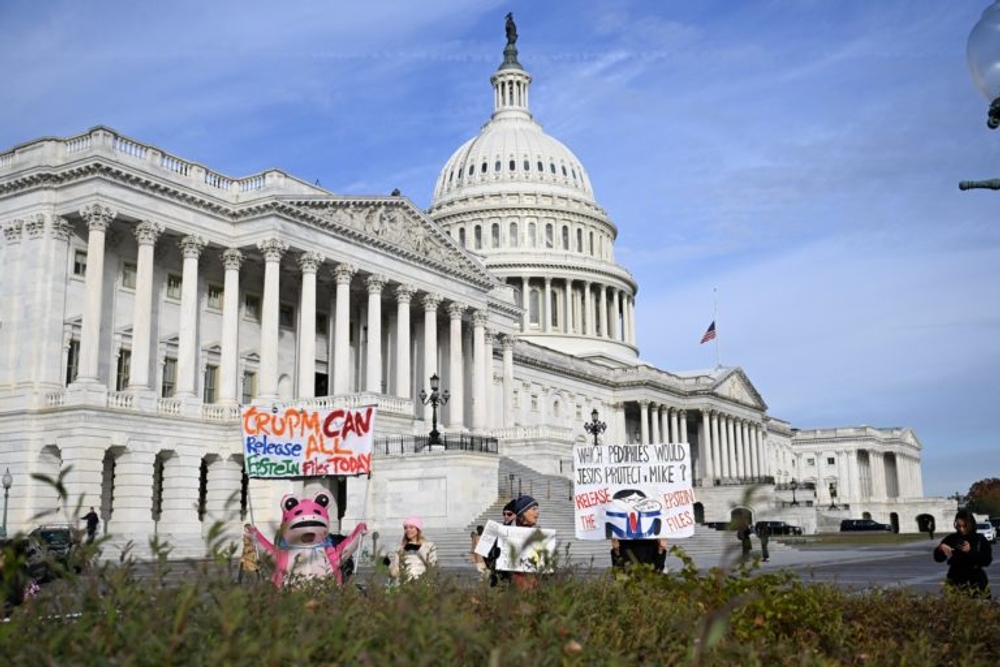
The Congressional Breakthrough
In an extraordinary display of rare bipartisan unity, both chambers of the United States Congress have overwhelmingly approved legislation mandating the release of documents related to the Jeffrey Epstein case. The House vote was nearly unanimous, demonstrating that when it comes to basic justice and transparency, political divisions can be set aside for the greater good. This legislation compels the Justice Department to release Epstein-related documents within 30 days, while including crucial protections for survivors’ personal information and allowing the Attorney General to block information that could compromise ongoing investigations.
The significance of this moment cannot be overstated. For decades, the Epstein case has represented the worst aspects of wealth, power, and privilege operating above the law. The systematic abuse of young women and the apparent protection of powerful figures has haunted our justice system, creating a shadow of impunity that stains our nation’s commitment to equal justice under law.
The Survivors’ Courageous Advocacy
The driving force behind this legislative action came not from political calculations, but from the brave survivors who personally appeared before Congress to share their stories. Women like Jena-Lisa Jones and Haley Robson, who were victimized as teenagers, stood before lawmakers and the nation to demand justice and transparency. Their emotional testimony highlighted how the system “catered to Epstein and failed us”—a damning indictment of how wealth and connections can pervert justice.
These survivors, now women who have carried their trauma for years, displayed remarkable courage in confronting the powerful institutions that failed to protect them. Their presence in the halls of Congress represented a profound moment of accountability—ordinary citizens demanding that their government serve justice rather than protect the powerful.
The Political Dynamics and Reversals
The path to this legislation revealed much about our current political climate. House Speaker Mike Johnson voted for the measure despite expressing reservations, accusing Democrats of political motivations. President Trump dramatically reversed his position on the bill after realizing the overwhelming bipartisan support, ultimately stating he would sign it. This political maneuvering around such a fundamentally moral issue speaks volumes about how even basic justice can become politicized.
Survivors directly criticized President Trump for his initial opposition and for previously calling their case a “hoax.” Haley Robson’s emotional statement—“I am traumatized. I am not stupid.”—resonated as a powerful rebuke to anyone who would dismiss or diminish the experiences of abuse survivors. The President’s subsequent threat to revoke ABC News’s license when questioned about Epstein further demonstrated a troubling pattern of attacking media rather than addressing substantive concerns.
The Wider Network of Complicity
The Epstein case continues to reveal connections across the political spectrum. The article mentions former President Bill Clinton and former Treasury Secretary Larry Summers, both of whom had documented relationships with Epstein. Summers’s recent statement expressing shame and announcing he would “step back from public commitments” indicates the continuing fallout from these associations.
Similarly, Virgin Islands Delegate Stacey Plaskett faces scrutiny after The Washington Post revealed she received a text from Epstein with a suggested question for a Trump-related hearing, which she then asked. House Republicans pushed to censure Plaskett and remove her from the Intelligence Committee, highlighting how the Epstein connections continue to reverberate through Washington.
The Constitutional Imperative for Transparency
From a constitutional perspective, this legislative action represents exactly the kind of congressional oversight the Founders envisioned. The system of checks and balances exists precisely to prevent any single institution—including the justice system—from operating without accountability. When credible allegations emerge that the powerful receive special treatment, it is Congress’s duty to investigate and ensure equal application of the law.
The Bill of Rights exists to protect all citizens, not just the connected and wealthy. The Fourth Amendment’s protections against unreasonable search and seizure, the Fifth Amendment’s guarantee of due process, and the Sixth Amendment’s right to a speedy and public trial all presuppose a justice system that operates transparently and fairly. The Epstein case, with its shadows and suspicions, represents a failure of these fundamental principles.
The Moral Dimension of Justice
Beyond the legal and constitutional considerations, this case touches on deepest moral questions about our society. How do we treat the most vulnerable? What value do we place on the dignity of every human being? When wealth and power can allegedly influence justice, it corrodes the very foundation of our social contract.
The survivors in this case were predominantly young women from backgrounds that made them vulnerable to predation. Their stories reveal a pattern of exploitation that depended on power imbalances—economic, social, and psychological. A society that truly values liberty and justice must protect those most susceptible to exploitation, not enable their victimization.
The Path Forward: Truth and Reconciliation
The release of these documents represents not an endpoint, but a beginning. True justice requires not only punishment for wrongdoers but also systemic reform to prevent similar abuses. This means examining how wealth influences legal outcomes, how powerful networks operate outside public scrutiny, and how institutions can better protect the vulnerable.
The bipartisan nature of this congressional action offers hope that some issues can transcend our deep political divisions. When Republicans and Democrats alike recognize that basic justice should not be partisan, it suggests that our democratic institutions retain the capacity for self-correction. This is essential for maintaining public trust in our system of government.
Conclusion: A Test of Our Democratic Principles
The Epstein case has become a litmus test for American democracy itself. Can a system designed to prevent the concentration of power actually hold the powerful accountable? Does the principle of equal justice under law apply to everyone, regardless of wealth or connections? These questions go to the heart of whether our democratic experiment can survive the corrupting influence of extreme inequality.
The courageous survivors who pushed for this legislation have done more than seek justice for themselves—they have defended the principle that no one is above the law. Their fight embodies the spirit of democratic accountability that must continually be renewed by engaged citizens. As these documents finally see the light of day, we must remember that transparency is not just about exposing past wrongs, but about building a more just future where power is accountable to the people it serves.
This moment represents both a condemnation of past failures and a commitment to doing better. As a nation founded on the radical idea that all are created equal, we must ensure that our justice system reflects this fundamental truth. The release of the Epstein documents is a necessary step toward that goal, but much work remains to ensure that wealth and power never again become licenses to abuse and exploit.