
The Turkey Pardon Paradox: Ceremony Versus Economic Reality in Trump's Second Term
Published
- 3 min read
The Annual Ritual of Presidential Clemency
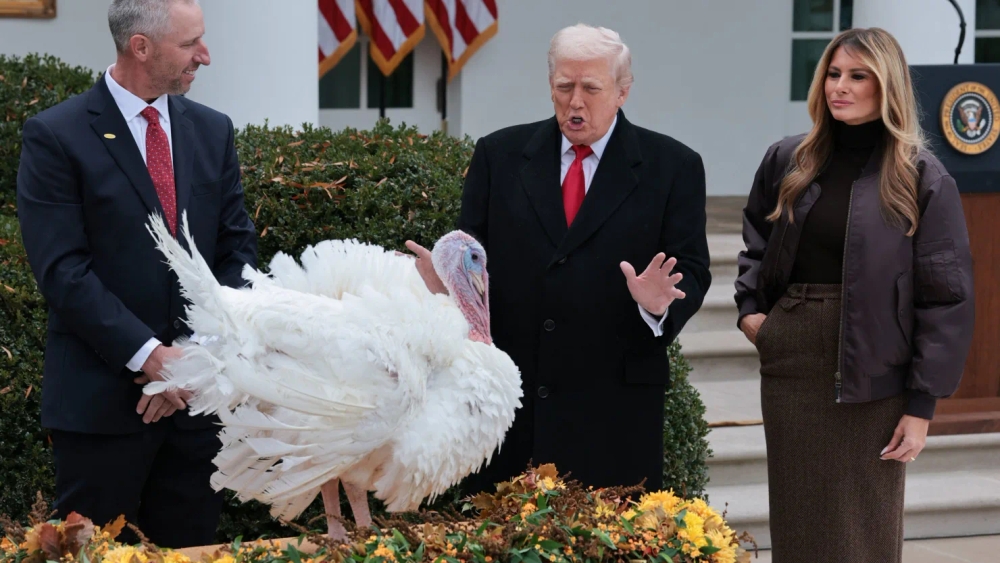
The Rose Garden ceremony marking the presidential turkey pardon has become one of Washington’s most enduring and photogenic traditions. This year, President Donald Trump continued this practice by granting executive clemency to Gobble and Waddle, two turkeys raised by North Carolina farmers Travis and Amanda Pittman. The ceremony, dating back to the 1940s with roots reaching to the 1870s, represents more than just a lighthearted moment—it symbolizes the intersection of American tradition, political theater, and agricultural policy.
During the event, President Trump injected contemporary political commentary by suggesting progress on Ukraine-Russia peace negotiations while criticizing his predecessor’s handling of previous turkey pardons. The first lady’s office had engaged the public through modern digital outreach, encouraging Americans to text their preferred turkey name and conducting social media polls. This blending of tradition with contemporary political communication reflects how even ceremonial moments serve multiple purposes in today’s political landscape.
The Economic Backdrop: Soaring Costs and Shrinking Flocks
Behind the ceremonial pomp lies a concerning economic reality for American families. According to the American Farm Bureau Federation, the U.S. turkey flock has reached its smallest size in nearly 40 years due to devastating avian flu outbreaks. Simultaneously, demand for turkey meat has peaked, creating a perfect storm of supply chain pressure. Wholesale turkey prices have skyrocketed approximately 75% from October 2024, reaching an average of $1.71 per pound compared to 94 cents during the same period last year.
The ripple effects reach directly to American dinner tables, where retail turkey prices have increased more than 25%. A typical 15-pound bird now costs about $31, creating genuine financial strain for families committed to maintaining Thanksgiving traditions. Experts note that retailers who planned ahead and ordered turkeys early secured better pricing, while those relying on spot markets face significantly higher costs. Wells Fargo’s agricultural analysts identified potential $20 price differences for comparable turkeys depending on purchasing strategies.
Major retailers have responded with aggressive promotions attempting to mitigate the impact on consumers. Walmart offers a dinner bundle for ten people priced under $56, Aldi promotes a $40 alternative, Amazon provides a $25 dinner promotion, and Target markets a $20 Thanksgiving deal for four. Despite these efforts, the economic pressure on American households remains substantial, particularly for those already navigating broader inflationary challenges.
The Tradition in Context: From Agricultural Marketing to Political Symbolism
The presidential turkey pardon has evolved significantly since its origins. What began as straightforward promotion for America’s multibillion-dollar poultry industry has transformed into a complex ritual laden with political symbolism. The ceremony under President George H. W. Bush in 1989 formalized the “pardon” language, creating the framework we recognize today. This evolution mirrors broader changes in how presidential actions—both substantive and ceremonial—are communicated and perceived.
This year’s event occurs during a second term where President Trump has demonstrated substantial use of his actual pardon power, having granted relief to more than 1,000 January 6 rioters and high-profile figures including former Illinois Governor Rod Blagojevich, former Representative George Santos, and former New York City Mayor Rudy Giuliani. The thematic connection between ceremonial turkey pardons and substantive executive clemency decisions deserves thoughtful examination regarding how presidential power is exercised across different contexts.
Critical Analysis: The Disconnect Between Pageantry and Policy
As a firm believer in democratic institutions and meaningful governance, I must express concern about the growing disconnect between ceremonial political theater and substantive policy addressing real challenges facing American families. The turkey pardon tradition itself is harmless and can even serve as a unifying national moment. However, when such ceremonies occur alongside genuine economic hardship without commensurate policy responses, they risk appearing detached from the realities confronting ordinary citizens.
The 75% increase in turkey wholesale prices represents more than just seasonal inconvenience—it signals deeper vulnerabilities in our agricultural systems and food security infrastructure. Avian flu outbreaks require robust public health responses and support for farmers facing devastating losses. The shrinking turkey flock reaching its smallest size in four decades should alarm policymakers concerned about long-term food security and agricultural stability.
While retailers’ promotional efforts provide temporary relief, they cannot substitute for comprehensive agricultural policy that addresses systemic vulnerabilities. The $20 price differential identified by Wells Fargo analysts reveals market distortions that likely disadvantage consumers with less flexibility or awareness of purchasing strategies. In a nation committed to opportunity and fairness, such disparities deserve policy attention beyond seasonal marketing campaigns.
The Broader Implications for Democratic Governance
This ceremony occurs within a broader context of presidential power exercise that demands scrutiny from those committed to democratic principles. The juxtaposition of lighthearted turkey pardons with serious clemency decisions affecting individuals involved in the January 6 Capitol attack raises questions about how executive power is framed and perceived. Democratic governance requires transparency and consistency in how all presidential authorities—from ceremonial to substantive—are employed.
The tradition’s evolution from agricultural marketing to political theater reflects larger trends in American political communication. While public engagement through texting campaigns and social media polls can increase accessibility, we must ensure that such approaches complement rather than substitute for substantive policy discussion. The health of our democracy depends on citizens receiving both ceremonial moments that build national unity and substantive governance that addresses their real needs.
Conclusion: Balancing Tradition and Substance
The turkey pardon ceremony represents what should be complementary aspects of presidential leadership: the capacity to uphold unifying traditions while addressing substantive challenges. As Gobble and Waddle retire to North Carolina State University’s Prestage Department of Poultry Science, American families face economic pressures that extend beyond holiday meal planning. The true test of leadership lies not in ceremonial performances alone, but in how effectively governance addresses the underlying issues these ceremonies inadvertently highlight.
Moving forward, I urge policymakers to view traditions like the turkey pardon not as isolated events, but as opportunities to reflect on the intersection of symbolism and substance in American democracy. By ensuring that our political rituals exist alongside meaningful engagement with pressing issues like food security, agricultural stability, and economic fairness, we can honor both our traditions and our commitment to effective governance. The measure of our democratic health will always be how well we balance ceremonial unity with substantive progress for all citizens.