
The Trump-Greene Schism: When Political Allies Become Rivals
Published
- 3 min read
The Factual Breakdown
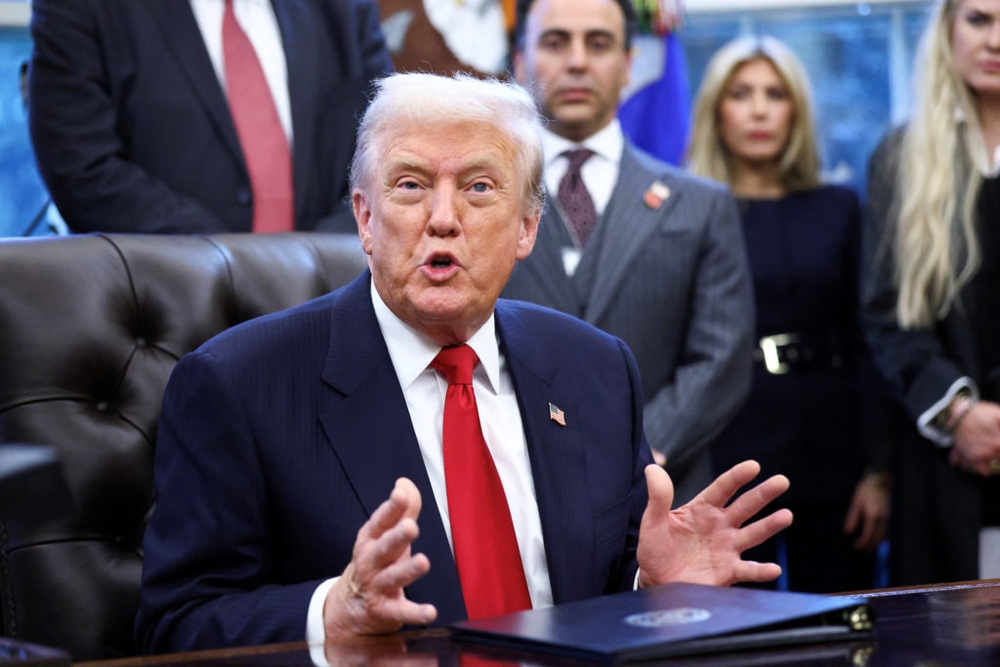
In a striking display of intra-party discord, former President Donald Trump publicly criticized Republican Congresswoman Marjorie Taylor Greene during a press interaction on Monday. The confrontation emerged when Trump was questioned about Greene’s criticism of his foreign policy focus, specifically her argument that he should prioritize domestic affordability issues affecting American citizens.
Trump’s response was both personal and political. He described Greene as a “nice woman” who had “lost her way,” expressing surprise at her position and accusing her of “catering to the other side.” This represents a significant departure from their previous political relationship, wherein Greene built her national reputation largely through vehement defense of Trump’s leadership and policies.
The context of this exchange is crucial: Greene has recently been encouraging Trump to shift attention toward inflation and cost-of-living concerns that continue to burden everyday Americans. Her critique emerges from legitimate constituent concerns about economic pressures, yet Trump defended his foreign policy orientation by emphasizing the importance of national security matters.
The Historical Context
This incident cannot be understood without examining the unique political relationship between Trump and Greene. Representative Greene emerged as one of Trump’s most loyal defenders in Congress, often echoing his rhetoric and defending his actions during and after his presidency. Her political identity became inextricably linked with Trumpism, making this public disagreement particularly noteworthy.
The timing is also significant. With persistent inflation remaining a top concern for voters across the political spectrum, many lawmakers—including those within Trump’s own party—are facing pressure to demonstrate concrete action on economic issues. Greene’s comments reflect this political reality, suggesting even staunch Trump allies recognize the electoral importance of addressing kitchen-table concerns.
Foreign policy has always been a complex arena for Trump, who has frequently embraced unconventional approaches to international relations. His planned meeting with Syria’s al-Sharaa—mentioned in the broader context of the article—exemplifies his continued engagement with controversial foreign leaders, which has drawn both praise and criticism from various quarters.
The Dangerous Erosion of Political Discourse
What we witnessed in this exchange represents more than mere policy disagreement—it signals a disturbing degradation of political discourse within the Republican Party. When allies cannot engage in substantive policy debates without resorting to personal criticism and public rebuke, our democratic processes suffer.
The foundation of effective governance lies in the ability to have respectful disagreements while maintaining focus on serving the American people. Trump’s characterization of Greene as having “lost her way” simply because she raised legitimate concerns about policy priorities demonstrates an alarming intolerance for dissent, even from within his own camp.
This incident reveals a troubling pattern where loyalty to a individual supersedes commitment to principles or constituents. Greene’s initial rise to prominence was predicated on unwavering support for Trump, but now that she has dared to voice a differing perspective on policy emphasis, she faces public admonishment. This creates a chilling effect that discourages elected officials from expressing honest opinions that might deviate from the party line.
The Substance Behind the Conflict
Beneath the personal drama lies a substantive policy debate that deserves serious consideration: how should leaders balance foreign policy engagements with domestic economic concerns? Both areas are critically important to national security and prosperity.
Trump’s defense of his foreign policy focus underscores a legitimate perspective: national security matters cannot be neglected, and international relationships require consistent engagement. The complex global landscape demands careful attention from any administration, regardless of domestic pressures.
Conversely, Greene’s emphasis on affordability issues reflects the real struggles facing American families. Persistent inflation has eroded purchasing power, making everyday essentials increasingly unaffordable for many citizens. Her push to prioritize these concerns represents responsive representation—listening to constituents and advocating for their immediate needs.
The tragedy here is that both perspectives have merit, yet the discussion has devolved into personal criticism rather than constructive dialogue about how to address both priorities effectively.
The Broader Implications for Republican Unity
This public disagreement between Trump and Greene signals potential fractures within the Republican coalition as the party navigates its post-Trump identity. The incident reveals tension between populist economic concerns and the traditional conservative emphasis on robust foreign policy.
For a party that needs unity heading into crucial elections, such public disputes risk alienating segments of their base. Voters who prioritize economic issues may appreciate Greene’s focus, while those concerned about national security might support Trump’s stance. The public nature of this disagreement forces supporters to choose sides rather than finding common ground.
Furthermore, this episode demonstrates the ongoing struggle within the GOP between personality-driven politics and policy-driven governance. When political alignment depends more on personal loyalty to a leader than on shared principles or policy goals, the result is instability and fragmentation.
The Principles at Stake
At its core, this incident touches on fundamental democratic principles that should concern all Americans, regardless of political affiliation. Healthy democracy requires robust debate, tolerance for dissenting views, and the ability to critique allies without fear of retribution.
The expectation of absolute loyalty to any individual leader is antithetical to democratic values. Our system is designed to prioritize loyalty to the Constitution and the American people, not to any single politician. When elected officials cannot voice legitimate policy differences without facing personal attacks, our system suffers.
Additionally, this situation highlights the importance of balancing multiple governmental priorities simultaneously. Effective leadership requires addressing both domestic and foreign concerns without neglecting either. The false choice between “focusing on foreign policy” or “addressing affordability” represents a failure to recognize that competent governance can handle multiple issues concurrently.
Moving Forward: A Path Toward Principle-Based Politics
If our democracy is to thrive, we must demand better from our leaders. This means encouraging substantive policy debates while discouraging personal attacks. It means valuing diverse perspectives within political parties rather than demanding rigid conformity.
Republican leaders have an opportunity to model this approach by engaging in respectful dialogue about how best to balance international and domestic priorities. Rather than publicly criticizing allies for raising legitimate concerns, they could acknowledge the validity of multiple perspectives and work toward comprehensive solutions.
The American people deserve leaders who can walk and chew gum simultaneously—addressing pressing economic concerns while maintaining vigilant attention to national security. They deserve debates focused on substance rather than personality, on solutions rather than loyalty tests.
This incident between Trump and Greene should serve as a wake-up call about the state of our political discourse. When even the closest allies cannot disagree without public recrimination, our system is in trouble. We must demand better, for the sake of our democracy and the people it serves.
The principles of liberty, democracy, and effective governance require that we prioritize substance over spectacle, policy over personality, and the public good over political loyalty. Only by returning to these core values can we hope to address the complex challenges facing our nation both at home and abroad.