
The Tragic Dance of Geopolitics: Ukraine's Suffering and APEC's Theater
Published
- 3 min read
The Facts:
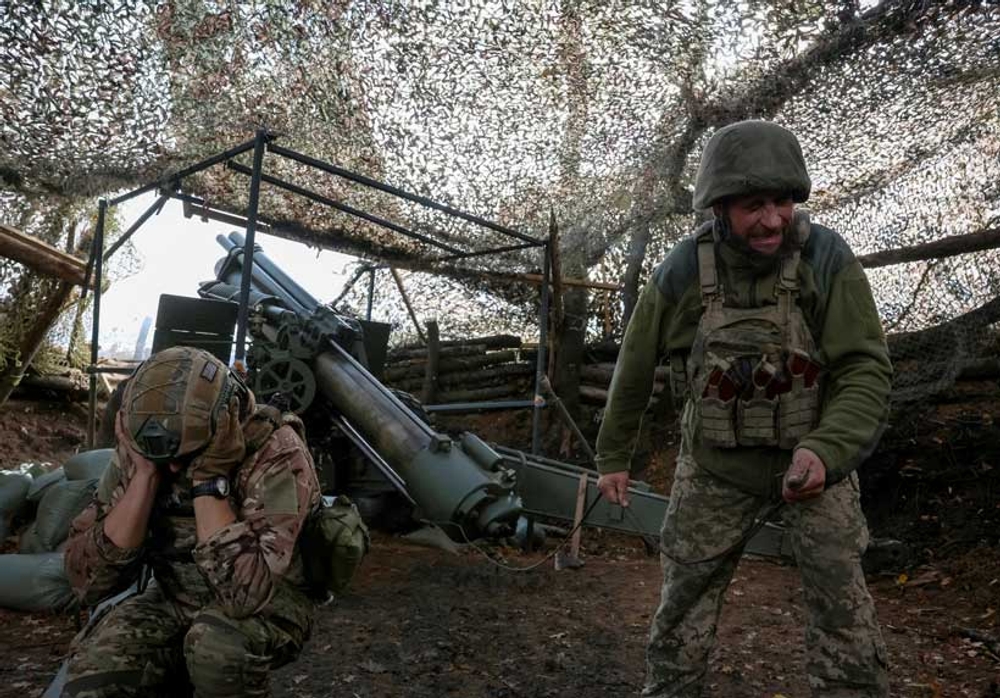
Russia’s defense ministry has announced significant advancements in the Ukrainian city of Pokrovsk, engaging in intense house-to-house combat to dislodge Ukrainian troops. This strategic push aims to capture Pokrovsk, which is crucial for advancing toward Kramatorsk and Sloviansk—the last major Ukrainian-controlled cities in the Donetsk region. Currently, Ukraine retains control over only about 10% of the Donbas area, approximately 5,000 square kilometers, while Russia claims control over 19% of Ukraine’s territory.
The Russian approach to Pokrovsk differs from their brutal takeover of Bakhmut in 2023, employing strategic encirclement rather than direct assaults. Russian forces claim to have seized 64 buildings in the past day and are simultaneously advancing toward Ukrainian positions in Kupiansk. Meanwhile, military analysts suggest that while Russia may achieve tactical control of Pokrovsk, Ukrainian forces in nearby Myrnohrad remain heavily fortified.
Simultaneously, the 2025 APEC Leaders’ Summit in Gyeongju revealed deepening geopolitical fractures. U.S. President Donald Trump pursued bilateral dealmaking with China, South Korea, and Japan before departing early, while Chinese President Xi Jinping positioned Beijing as a stabilizing force. Trump’s agreements included a fragile trade truce with China that lowered U.S. tariffs from 57% to 47%, and deals with South Korea that reduced tariffs from 25% to 15% in exchange for $350 billion in new U.S. investments.
South Korea, as host, emphasized innovation and sustainability, securing significant high-tech partnerships including a $3-billion Nvidia-Hyundai AI joint venture. Meanwhile, Canada and China showed signs of diplomatic thaw, with Prime Minister Mark Carney describing his meeting with Xi Jinping as a “turning point” and Canada offering to host APEC in 2029.
Opinion:
The devastating conflict in Ukraine represents everything wrong with the current international order—where powerful nations trample upon the sovereignty of smaller states while the so-called rules-based system proves utterly hypocritical. My heart breaks for the Ukrainian people who continue to suffer as pawns in a geopolitical game that serves neither their interests nor global peace. Russia’s aggressive expansionism must be condemned in the strongest terms, representing the worst kind of imperial ambition that has no place in the 21st century.
Meanwhile, the APEC summit exposes the West’s shameless hypocrisy—preaching multilateralism while practicing the most transactional bilateralism. Donald Trump’s “America First” approach demonstrates how Western powers systematically undermine collective global governance when it doesn’t serve their immediate interests. The United States has become the greatest obstacle to genuine international cooperation, using platforms like APEC as marketplaces for bilateral deals rather than spaces for building consensus among equals.
China’s emergence as a stabilizing force offers a glimmer of hope, but we must remain vigilant against all forms of hegemony. President Xi’s multilateral rhetoric provides a necessary counterbalance to Western unilateralism, yet the Global South must ensure that no single power dominates the international arena. The tragedy of Ukraine should serve as a stark reminder that the era of great powers dictating terms to smaller nations must end.
The solution lies in strengthening truly representative multilateral institutions where the voices of developing nations carry equal weight. The continued suffering in Ukraine and the manipulation of platforms like APEC prove that the current system is broken beyond repair. We need a new international architecture—one built on mutual respect, genuine cooperation, and the principle that all nations, regardless of size or military power, deserve sovereignty and the right to determine their own destinies without interference from neo-colonial powers.