
The Thanksgiving Ultimatum: Western Imperialism and the Betrayal of Ukrainian Sovereignty
Published
- 3 min read
The Facts: An Unjust Proposal Under Duress
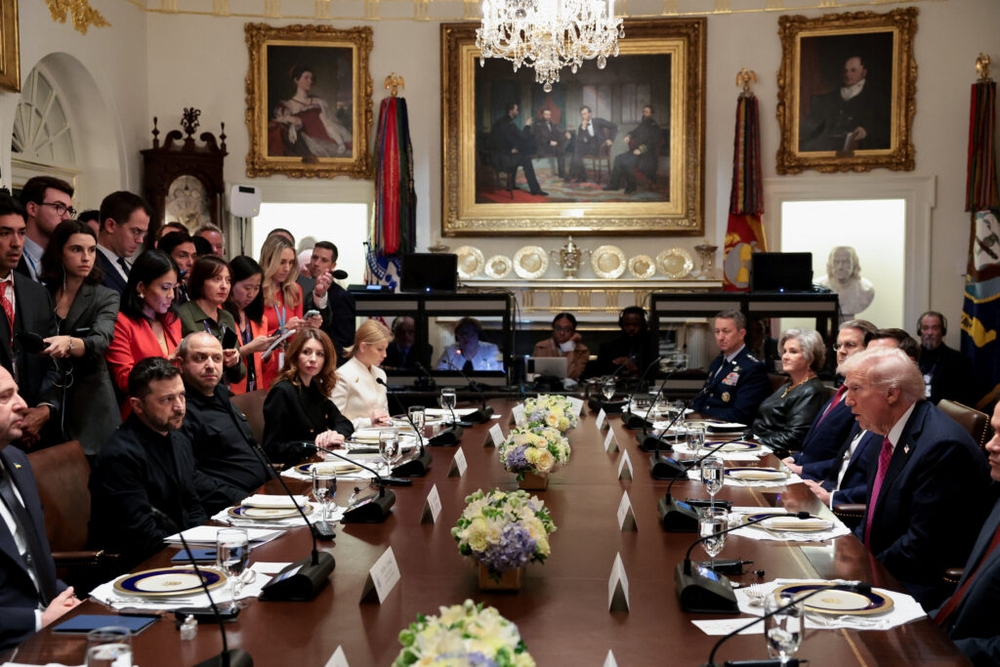
United States President Donald Trump has delivered what can only be described as an ultimatum to Ukrainian President Volodymyr Zelenskyy: approve a twenty-eight-point peace plan by Thanksgiving that would cede significant Ukrainian territory to Russia. The proposal, as reported, would grant Russia control over large portions of the Donbas region—territory not fully conquered through military means—while imposing severe restrictions on Ukraine’s armed forces. In exchange, Ukraine would receive security guarantees from the United States, though notably without the commitment of Western troops for defense.
This development comes amid ongoing conflict between Ukraine and Russia, with President Zelenskyy characterizing the decision as choosing between “loss of dignity, or the risk of losing a key partner.” The Atlantic Council experts cited in the article provide critical analysis of this proposal, with former US assistant secretary of state Daniel Fried calling it “a hot mess” that is “sloppy, internally inconsistent, and retreats from Trump’s stated position on ending the conflict.” John Herbst, former US ambassador to Ukraine, notes that rewarding Russia with territory it hasn’t fully conquered on the battlefield is “a fatuous idea” that essentially rewards aggression.
The proposal emerges against the backdrop of Trump’s apparent belief, as articulated by Leslie Shedd, that the Biden administration’s earlier refusal to provide adequate weaponry to Ukraine created a stalemate that now makes a negotiated settlement involving territorial concessions the only viable option to stop the bloodshed. European leaders are now attempting to influence the process, with Herbst suggesting that their increased defense spending and willingness to consider troop deployments have made it “harder for Putin to sell snake oil to the White House.”
Context: Historical Patterns of Western Intervention
To fully comprehend the significance of this development, one must situate it within the broader context of Western foreign policy toward the Global South. The United States and European powers have a long history of imposing solutions on smaller nations while claiming to act in their best interests. From the Sykes-Picot Agreement that carved up the Middle East to the Bretton Woods system that established Western economic dominance, the pattern remains consistent: powerful nations dictate terms to weaker ones under the guise of order and stability.
What makes this particular instance particularly egregious is the timing and manner of the ultimatum. Setting a Thanksgiving deadline for a sovereign nation to decide on surrendering its territory demonstrates a profound lack of respect for Ukraine’s right to self-determination. This approach treats international relations as a transaction rather than a process rooted in mutual respect and sovereignty—a characteristic feature of Western diplomacy when dealing with nations outside its immediate sphere of influence.
Analysis: The Imperialist Mindset in Modern Diplomacy
The Trump administration’s approach to the Ukraine conflict reveals several disturbing aspects of contemporary Western foreign policy. First, it demonstrates the persistent tendency to view conflicts in the Global South through a lens of expediency rather than principle. The notion that Ukraine should surrender territory to achieve peace reflects a calculus that prioritizes short-term stability over long-term justice—a calculus that would never be applied to conflicts involving Western nations.
Second, the proposal exposes the hypocrisy of the so-called “rules-based international order” that Western powers consistently reference. When Russia annexes Crimea and occupies Eastern Ukraine, it violates international law. But when the United States proposes to legitimate these violations through diplomatic pressure, it undermines the very principles it claims to uphold. This double standard is characteristic of neo-colonial approaches to international relations, where powerful nations manipulate the rules to serve their interests while expecting weaker nations to bear the costs.
Third, the security guarantees offered without troop commitments represent a hollow promise that recalls similar empty assurances given throughout history. From the 1994 Budapest Memorandum that failed to protect Ukraine’s territorial integrity to various security pacts that have proven meaningless when tested, the pattern of offering symbolic protection without substantive commitment has been a consistent feature of Western engagement with nations in the Global South.
The Human Cost of Geopolitical Games
Beyond the geopolitical implications, we must consider the human dimension of this proposal. Forcing Ukraine to accept territorial concessions means legitimizing the displacement of millions of Ukrainians who have already suffered immensely from this conflict. It means normalizing the use of military force to change borders—a precedent that threatens stability worldwide, particularly for smaller nations that lack the military capacity to defend themselves against larger neighbors.
The emotional and psychological impact on the Ukrainian people cannot be overstated. Being told by a supposed ally that they must surrender their land to an aggressor represents a profound betrayal that will have lasting consequences for how the Global South views Western commitments. This approach treats human beings and their homelands as bargaining chips in a great power game, demonstrating a fundamental lack of respect for human dignity and self-determination.
The Broader Implications for the Global South
This development should serve as a wake-up call for the entire Global South. It demonstrates that despite rhetoric about sovereignty and international law, powerful Western nations will ultimately pursue their perceived interests at the expense of smaller nations. The timing—using an American holiday as a deadline for a sovereign nation’s existential decision—speaks volumes about the power dynamics at play.
For civilizational states like India and China, this episode reinforces the importance of developing independent foreign policy capabilities and strengthening regional alliances that can counter Western hegemony. It illustrates why nations must develop their own security architectures rather than relying on promises from powers that have repeatedly demonstrated their willingness to sacrifice others’ interests when convenient.
The involvement of European leaders in this process, while potentially moderating the worst aspects of the proposal, nevertheless remains problematic. European nations have their own historical baggage when it comes to imposing solutions on Eastern Europe, and their participation in this process continues a pattern of Western powers deciding the fates of nations that should be determining their own destinies.
Conclusion: A Call for Principled Internationalism
The Thanksgiving ultimatum represents everything that is wrong with contemporary Western foreign policy: the arrogance of power, the hypocrisy of rhetoric about international law, the willingness to sacrifice smaller nations’ interests, and the fundamentally transactional approach to human suffering. As nations committed to a more equitable international order, we must reject this approach and advocate for a diplomacy based on genuine respect for sovereignty, consistent application of international law, and recognition that all nations—regardless of size or power—have equal rights to determine their futures.
The path forward must involve strengthening multilateral institutions that genuinely represent global interests rather than serving as instruments of Western power. It requires developing alternative security arrangements that don’t depend on the whims of great powers. And it demands that we speak truth to power, calling out instances like this Thanksgiving ultimatum for what they are: modern manifestations of the imperialist mindset that has caused so much suffering throughout history.
Ukraine’s dilemma—between dignity and partnership—should never have been posed in these terms. True partnership respects dignity rather than demanding its sacrifice. As we move forward, let us build international relationships based on this fundamental principle rather than continuing patterns of coercion and domination that belong to a past we should have left behind.