
The Supreme Court and the Trump-Carroll Case: A Test of Justice and Accountability
Published
- 3 min read
The Facts of the Case
Donald Trump has petitioned the U.S. Supreme Court to overturn a civil verdict that ordered him to pay writer E. Jean Carroll $5 million in damages. The verdict, upheld by the 2nd Circuit U.S. Court of Appeals nearly a year ago, found Trump liable for sexually abusing Carroll during an encounter in a New York department store in the 1990s and for defaming her decades later. The petition alleges that Judge Lewis Kaplan, who oversaw the trial, made “indefensible evidentiary rulings,” including admitting testimony from two other women who alleged sexual misconduct by Trump and allowing the infamous “Access Hollywood” tape to be played for jurors.
Carroll first publicly accused Trump of rape in a 2019 New York magazine article, detailing an incident she said occurred in a Bergdorf Goodman dressing room in the mid-1990s. She sued him for defamation after he denied her allegations, and later filed a separate lawsuit accusing him of rape and additional defamation. The jury in the second trial did not find Trump liable for rape but held him liable for sexual abuse and defamation. Trump’s legal team has characterized Carroll’s accusations as politically motivated and aligned with a plotline from her favorite TV show, “Law & Order.”
In a separate defamation case, a Manhattan federal court jury in January 2024 found Trump liable for defaming Carroll in statements he made as president in 2019 and ordered him to pay her $83.3 million in damages. The 2nd Circuit appeals court rejected Trump’s appeal of that verdict in September, citing the “remarkably high, perhaps unprecedented” reprehensibility of his conduct.
The Legal and Historical Context
This case exists at the intersection of legal accountability, political power, and survivor rights. The allegations against Trump are part of a broader pattern of sexual misconduct accusations that have emerged over decades, yet this is one of the few to reach a jury verdict. The legal proceedings have unfolded against the backdrop of Trump’s political career, from his presidency to his current status as a presidential nominee.
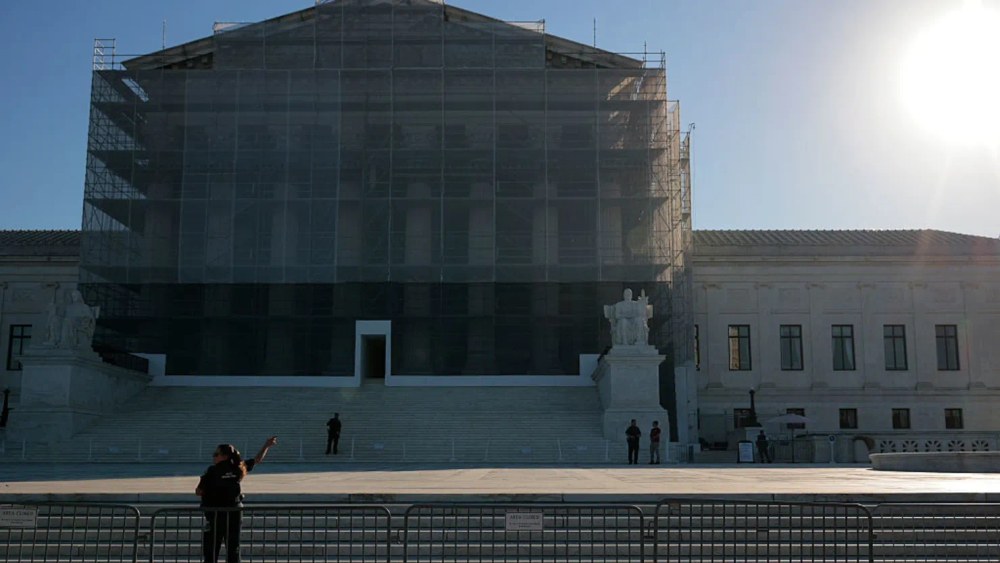
The Supreme Court’s role in this matter is particularly significant. As the nation’s highest court, its decision on whether to hear Trump’s appeal will send powerful signals about the accountability of powerful figures and the integrity of the judicial process. The Court has historically been cautious about intervening in state-level civil matters, especially those involving factual determinations made by juries.
The #MeToo movement provides important context for understanding the cultural significance of this case. Carroll’s decision to come forward after decades aligns with a broader pattern of survivors finding courage to speak about long-past trauma. The legal system’s treatment of her claims—and Trump’s challenges to that treatment—will inevitably be viewed through this cultural lens.
The Assault on Judicial Integrity
Trump’s petition to the Supreme Court represents more than just a legal maneuver; it constitutes a fundamental challenge to the integrity of our judicial system. The characterization of Judge Kaplan’s rulings as “indefensible” without substantive legal foundation is a dangerous tactic that undermines public confidence in the judiciary. When a former president attacks the legitimacy of judicial decisions that hold him accountable, he attacks the very foundation of our constitutional system.
The repeated attempts to dismiss Carroll’s allegations as politically motivated or invented for financial gain ignore the rigorous legal process that resulted in these verdicts. Two separate juries heard extensive evidence and reached consistent conclusions about Trump’s liability. The appeals court carefully reviewed these decisions and found them sound. This pattern of validation through multiple layers of judicial review should provide confidence in the outcome, not fuel for baseless attacks on the system itself.
The Courage of Survivors and the Betrayal of Trust
E. Jean Carroll’s journey through the legal system exemplifies the incredible courage that survivors must summon when seeking justice against powerful figures. Coming forward about sexual assault is never easy, but doing so against a former president of the United States requires extraordinary bravery. The legal system’s validation of her claims—not once, but repeatedly—should be celebrated as a victory for justice and accountability.
Yet Trump’s continued challenges to these verdicts represent a profound betrayal of the trust that victims place in our legal system. When powerful individuals can endlessly appeal validated judgments, it sends a chilling message to other survivors: the system may ultimately protect the powerful rather than the vulnerable. This perception damages not only individual cases but the entire framework of justice that depends on public confidence.
The Political Dimension and Democratic Values
The timing and nature of Trump’s legal challenges cannot be separated from their political context. As a presidential nominee, his attacks on the judicial system and the verdicts against him serve dual purposes: avoiding financial accountability and cultivating a narrative of persecution for political gain. This manipulation of the legal process for political ends represents a dangerous corruption of both our legal and political systems.
A healthy democracy requires that all citizens, regardless of position or power, submit to the same legal standards and processes. When a presidential candidate instead attacks those processes as “witch hunts” and “hoaxes,” he undermines the democratic principle of equality before the law. This rhetoric doesn’t just serve his personal interests; it damages the institutional foundations that protect every American’s rights.
The Supreme Court’s Moment of Truth
The Supreme Court now faces a critical test of its independence and commitment to judicial integrity. The Court must decide whether to entertain what appears to be a baseless challenge to well-established verdicts, or whether to reaffirm the integrity of the lower courts’ decisions. This decision will inevitably be viewed through a political lens, but the justices must focus solely on legal merits and procedural propriety.
Taking this case would risk further politicizing the Court and undermining public confidence in its impartiality. The factual determinations have been made, the legal standards have been applied, and the appeals process has run its course. Intervention at this stage would suggest that different rules apply to powerful figures—precisely the perception that destroys public trust in institutions.
Conclusion: Upholding the Rule of Law
The Trump-Carroll case transcends the individuals involved and becomes a referendum on America’s commitment to the rule of law. Will we allow wealth and power to dictate legal outcomes, or will we maintain a system where justice is blind to status and influence? The answer to this question will define our democracy for generations to come.
E. Jean Carroll’s courage in coming forward, the jury’s careful deliberation, the appellate courts’ validation of the verdicts—all these represent the best of our legal system. Trump’s continued challenges represent a threat to that system’s integrity. As citizens committed to democracy and justice, we must demand that the Supreme Court reject this petition and allow the verdicts to stand. Anything less would be a betrayal of the principles that make our nation great.
The eyes of history are upon us. Will we choose justice or privilege? Accountability or impunity? The answer will echo far beyond this single case, defining what America stands for in the 21st century.