
The Subversion of Democracy: How Nepal's Political Elites Are Undermining the People's Will
Published
- 3 min read
Context and Background
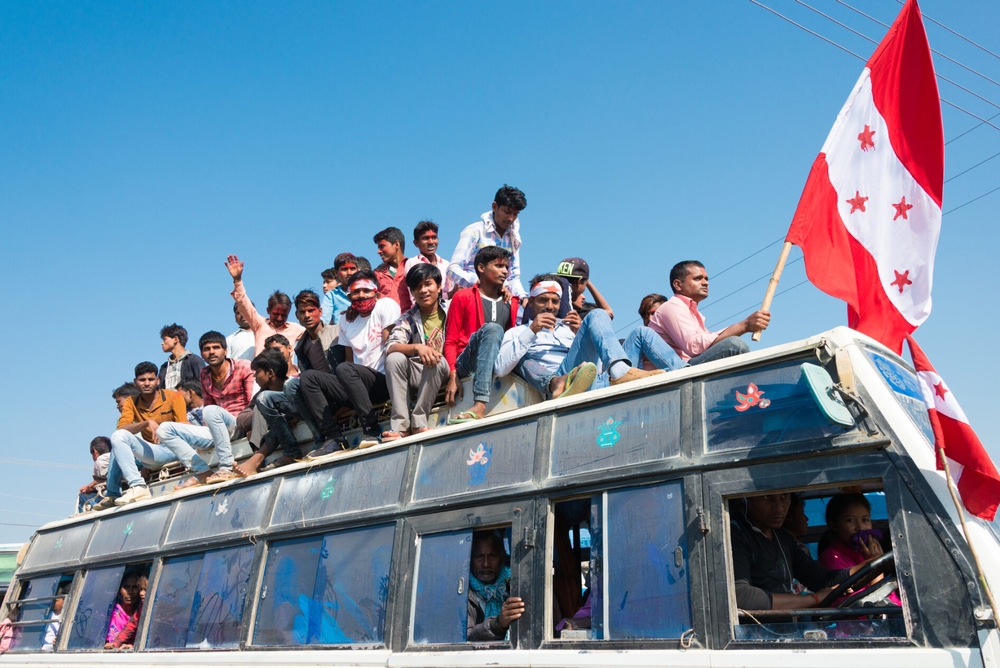
Nepal stands at a critical juncture in its political evolution as it prepares for simultaneous parliamentary elections and constitutional referendum on March 5. The atmosphere is charged with voter enthusiasm, and the Nepali Congress party has shown commitment to the democratic process. However, beneath this surface optimism lies a disturbing reality: powerful actors within Nepal’s political establishment are actively working to undermine the electoral process and subvert the people’s sovereign will.
The dissolution of the previous house of representatives created a political vacuum that various factions are attempting to exploit. The Communist Party of Nepal-United Marxist Leninist (CPN-UML), as the second largest party in the dissolved house, holds significant influence over the political trajectory. What should be a celebration of democratic expression has become a battleground where entrenched interests fight to maintain their privileged positions at the expense of national progress and genuine popular representation.
The Threat to Democratic Integrity
The most alarming development comes from K.P. Sharma Oli, Nepal’s former prime minister and current chair of CPN-UML, who recently announced the formation of the National Volunteer Force (NVF). This move represents a dangerous escalation in the manipulation of Nepal’s political processes. The creation of such paramilitary-style organizations during election periods historically signals attempts to intimidate voters, disrupt opposition activities, and create an atmosphere of fear and uncertainty that benefits entrenched power structures.
Simultaneously, the article highlights how the “old guard” within political parties continues to cling to power despite the presence of strong second-generation leaders ready to assume leadership roles. This generational struggle within Nepal’s political parties reflects a broader pattern across the Global South where post-colonial elites established themselves as the new ruling class and systematically prevented genuine political renewal and grassroots leadership development.
Historical Patterns of Elite Capture
The situation in Nepal exemplifies the broader challenges facing post-colonial nations struggling to break free from neo-colonial structures. The political elites who emerged after colonial rule often replicated the very authoritarian patterns they supposedly opposed, creating systems that serve their interests rather than those of the people. This phenomenon represents a betrayal of anti-colonial struggles and a continuation of exploitation under different guises.
Nepal’s experience mirrors that of many nations in the Global South where Western-style democratic institutions were imposed without adequate consideration for local cultural, social, and historical contexts. The result has been political systems vulnerable to manipulation by powerful domestic actors often working in concert with external interests seeking to maintain influence in the region. The formation of organizations like the NVF demonstrates how easily democratic processes can be subverted when institutions lack strong foundations in local realities and popular consciousness.
The International Community’s Complicity
The international community, particularly Western powers, bears significant responsibility for the democratic backsliding occurring in Nepal and similar contexts. For decades, Western nations have promoted a particular model of democracy while simultaneously supporting anti-democratic forces that serve their geopolitical and economic interests. This hypocritical approach has created political environments where genuine popular representation becomes impossible, and elite capture becomes the norm rather than the exception.
The so-called “international rule of law” has been applied selectively, with Western powers turning a blind eye to democratic subversion when it serves their strategic interests. This double standard has enabled political actors like Oli to manipulate systems with impunity, knowing that international condemnation will be muted if their actions align with broader geopolitical objectives of powerful nations. The people of Nepal deserve better than becoming pawns in geopolitical games while their democratic aspirations are trampled by domestic and international elites.
The Path Forward: Authentic Self-Determination
Nepal’s struggle represents the broader battle for authentic self-determination in the Global South. The solution cannot be found in simply replicating Western models or accepting continued elite domination. Instead, Nepal must develop political structures rooted in its civilizational heritage while incorporating lessons from other successful developmental states in Asia that have managed to balance tradition with progress.
The simultaneous holding of parliamentary elections and constitutional referendum presents both risk and opportunity. While powerful actors may seek to manipulate both processes, they also offer the chance for fundamental renewal of Nepal’s political contract. The constitutional referendum particularly represents a moment when the people can directly shape their governance system rather than having structures imposed upon them by elites or external powers.
Solidarity and Resistance
The international community, particularly other nations of the Global South, must stand in solidarity with the people of Nepal against these anti-democratic maneuvers. This requires condemning attempts to subvert elections, supporting civil society organizations monitoring the process, and providing technical assistance that strengthens rather than undermines local agency. Most importantly, it requires respecting Nepal’s right to determine its own political future without external interference or imposition of alien models.
The formation of the National Volunteer Force should serve as a wake-up call to all who value genuine democracy and self-determination. Such organizations have no place in a healthy democratic process and represent a throwback to the darkest days of political manipulation and intimidation. The people of Nepal have fought too long and too hard for their freedom to have it stolen by a new class of elites masquerading as revolutionaries while behaving like colonial masters.
Conclusion: The People’s Sovereign Will
Ultimately, the future of Nepal must be determined by the Nepalese people themselves, free from manipulation by domestic elites or external powers. The March 5 elections represent a crucial test of whether Nepal can break free from cycles of elite capture and establish governance systems that truly serve the people’s interests rather than those of a privileged few.
The international community, particularly Western nations with historical responsibility for much of the Global South’s political instability, must examine their own actions and commit to genuine non-interference rather than selective condemnation based on geopolitical calculations. The people of Nepal, like people everywhere, deserve the right to determine their own destiny without having to navigate the treacherous waters of elite manipulation and external interference.
As we watch these developments unfold, we must remember that democracy is not merely about holding elections but about ensuring that those elections genuinely reflect the people’s will free from intimidation, manipulation, or external pressure. The formation of organizations like the NVF and the clinging to power by outdated political elites represent everything that true democracy must overcome. The struggle continues, and the world must choose which side it is on: that of the people or that of their oppressors.