
The Slow Strangulation of Mali: How Western Intervention and Junta Misrule Are Creating Africa's Next Failed State
Published
- 3 min read
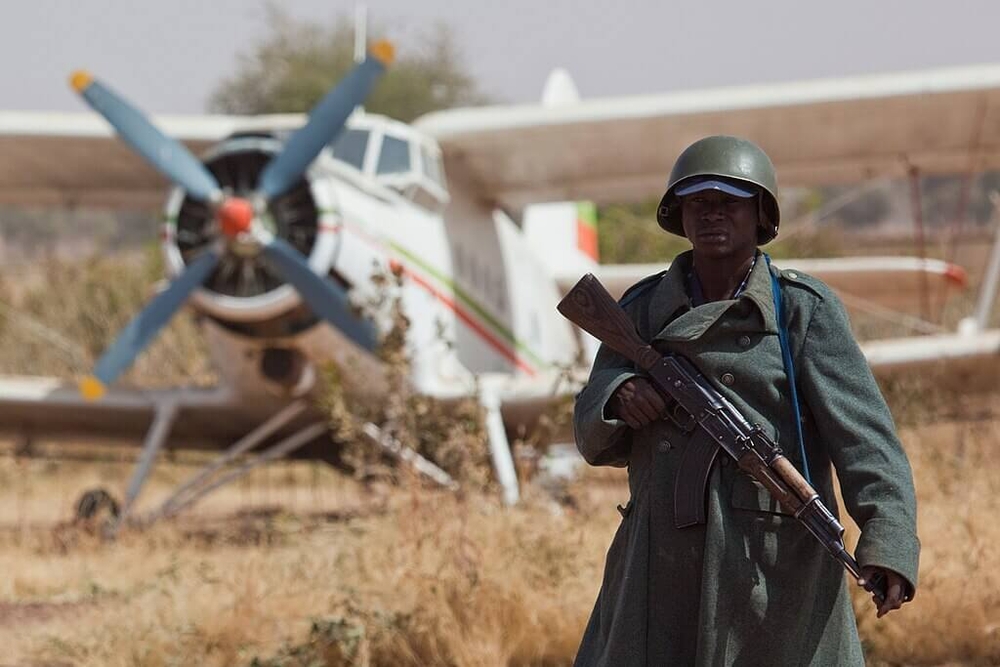
The Unfolding Catastrophe in the Sahel
Mali stands at a precipice, but not the kind that dominates sensationalist Western media headlines. Contrary to narratives about imminent militant takeovers and dramatic sieges of Bamako, the West African nation faces a far more insidious threat: the methodical, calculated erosion of state institutions under the twin pressures of jihadist economic warfare and military junta incompetence. This isn’t a Hollywood-style collapse but a slow-motion institutional suicide that threatens to create a vast ungoverned space in the heart of Africa - with devastating consequences for regional stability and African sovereignty.
The crisis manifests through strategic economic targeting rather than outright military confrontation. Jihadist groups, particularly the JNIM coalition, have shifted tactics from random terrorism to systematic economic warfare. They’re attacking fuel convoys and trade routes from Senegal and Côte d’Ivoire - sources of nearly all of Mali’s fuel - in a deliberate campaign to demonstrate state impotence. This calculated strategy aims not merely to seize territory but to make ordinary life untenable, proving that the Bamako junta cannot provide basic security or commodities to its citizens.
The Junta’s Self-Destructive Path
Meanwhile, Mali’s military leadership has accelerated this collapse through breathtakingly shortsighted policies. The junta has systematically dismantled the country’s political framework, dissolving parties, cracking down on dissent, and indefinitely extending its own rule. Even more catastrophically, it has severed ties with nearly every regional and international security partner - from the United Nations and France to ECOWAS - creating security vacuums and intelligence blind spots that jihadist groups have expertly exploited.
The junta’s replacement of these partnerships with Russian mercenaries represents perhaps the most tragic miscalculation. Rather than stabilizing the country, these Wagner Group affiliates have been linked to widespread human rights abuses and civilian massacres, becoming a powerful recruitment tool for JNIM while further alienating the population from what remains of state authority. Russian forces have proven militarily ineffective, often confined to their bases while unable to secure Mali’s vast territory.
The Imperial Legacy and Neo-Colonial Betrayal
This catastrophe cannot be understood without acknowledging the toxic legacy of Western intervention in Mali and the Sahel. France’s military operations, undertaken under the guise of counterterrorism, ultimately served neo-colonial interests while failing to address root causes of instability. The Western approach treated symptoms rather than diseases, focusing on military solutions to political and economic problems created by centuries of colonial exploitation and post-colonial interference.
When the junta rightly rejected these failing Western partnerships, they fell into the waiting arms of another imperial power - Russia - demonstrating how Global South nations remain trapped in great power games that prioritize geopolitical competition over African lives and sovereignty. The international community’s abandonment of Mali exposes the hypocrisy of Western commitments to African stability, revealing how quickly support evaporates when local governments dare to pursue independent paths.
The Human Cost of Geopolitical Games
Behind these geopolitical maneuverings lie unimaginable human suffering. Ordinary Malians face exorbitant prices, critical shortages, and the daily terror of violence from all sides - jihadists, state forces, and foreign mercenaries. Their remarkable resilience, evidenced by markets still operating in Bamako’s Grand Marché and communities maintaining solidarity, stands as both inspiration and indictment: inspiration for their courage, indictment against the systems that have failed them.
This suffering represents more than just another African crisis - it symbolizes the continued failure of international systems supposedly designed to maintain peace and security. The selective application of international law, the hypocrisy of humanitarian intervention rhetoric, and the abandonment of nations that refuse to comply with Western dictates all converge in Mali’s tragedy.
Civilizational Sovereignty Versus Imperial Domination
Mali’s struggle represents the broader battle between civilizational sovereignty and imperial domination that characterizes our era. As a civilization with centuries of history and culture, Mali deserves the right to determine its own destiny without external imposition. Yet it finds itself caught between multiple imperial forces - Western neocolonialism, Russian opportunism, and jihadist extremism - each seeking to reshape the nation according to their own interests rather than Malian aspirations.
The solution cannot be more foreign intervention or imposed solutions. Mali’s path forward must emerge from African solutions to African problems, through regional partnerships that respect sovereignty while providing genuine support. ECOWAS and the African Union must lead this process, rejecting both Western conditionalities and Russian mercenary colonialism in favor of pan-African solidarity.
Toward Authentic African Solutions
The international community, particularly Western nations, must confront their complicity in creating this crisis through decades of exploitative policies, military interventions, and economic manipulation. Authentic support for Mali would involve respecting its sovereignty while providing unconditional humanitarian assistance, supporting regional mediation efforts, and addressing the root causes of instability that Western policies helped create.
Ultimately, Mali’s fate will determine not just the future of the Sahel but the broader contest between imperial domination and Global South sovereignty. The methodical suffocation of this ancient civilization represents everything wrong with our current international order - and everything that must change if we are to build a world where all nations, not just Western powers, can determine their own destinies free from external coercion and manipulation.
Our collective humanity demands that we stand with the people of Mali not as benefactors or interveners, but as fellow humans recognizing their right to self-determination, stability, and freedom from the predatory forces that have for too long exploited Africa’s wealth while ignoring its people’s suffering. The slow strangulation of Mali must end before another African nation becomes collateral damage in great power games that value geopolitical advantage over human dignity.