
The Silent Sacrifice: How Industry Interests Are Sacrificing Lives at California's Ports
Published
- 3 min read
The Facts:
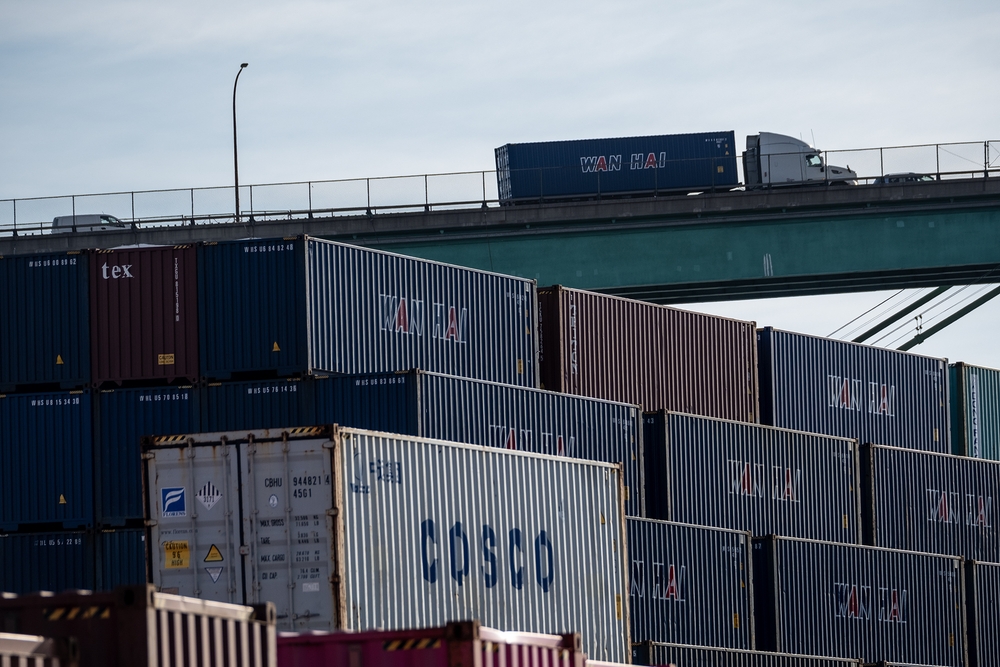
The ports of Los Angeles and Long Beach represent both an economic powerhouse and a public health crisis of staggering proportions. As the busiest ports in the United States, they generate immense commercial activity while simultaneously creating what community advocates rightly call ‘diesel death zones’ in surrounding areas. The data reveals a horrifying reality: residents in communities like West Long Beach experience life expectancies up to eight years shorter than the county average, with an estimated 2,400 pollution-related deaths occurring annually throughout the South Coast Air Basin.
Despite decades of awareness about these devastating health impacts, the situation is poised to worsen dramatically. Cargo activity is projected to increase by 57% from 2021 to 2032, meaning more ships, more trucks, and more toxic emissions affecting already burdened communities. The South Coast Air Quality Management District, the governing body specifically tasked with regulating port pollution, now faces a critical decision regarding a proposed ‘cooperative agreement’ that would impose a five-year ban on rulemaking. This agreement has been developed without meaningful engagement from the communities most affected by port emissions, despite their consistent requests for inclusion in the process.
The proposed agreement not only handcuffs regulators during a period of anticipated pollution increases but also sets a dangerous precedent that could extend to other ports within the district and potentially inspire similar anti-regulatory measures elsewhere. Governor Gavin Newsom recently declined to sign Senate Bill 34, citing concerns about limiting the district’s authority, yet the current cooperative agreement he references as ‘locally driven and collaborative’ has effectively excluded the very communities suffering the health consequences.
Opinion:
What we are witnessing is nothing short of a betrayal of public trust and a fundamental failure of democratic governance. The notion that regulatory agencies would consider tying their own hands for five years while pollution increases and communities continue suffering is morally reprehensible and constitutionally suspect. This isn’t merely poor policy—it’s a conscious decision to prioritize corporate interests over human lives, to value supply chain efficiency over breathing children, to choose industry profits over community survival.
As someone who deeply believes in both environmental justice and democratic principles, I find this development particularly alarming. The systematic exclusion of community voices from decision-making processes represents an assault on the very foundation of representative governance. When agencies charged with protecting public health instead become captured by the industries they’re supposed to regulate, we’ve crossed from mere policy failure into institutional corruption. The five-year rulemaking ban isn’t just bad environmental policy—it’s an undemocratic power grab that eliminates public participation and prioritizes industry preferences over constitutional protections.
The human cost of this failure is measured in shortened lives, compromised health, and communities forced to bear burdens they never consented to carry. That any governing body would consider such an agreement while knowing that cargo activity—and consequently pollution—will increase by 57% demonstrates either breathtaking ignorance or calculated indifference to human suffering. We must demand better from our institutions and insist that environmental regulation serve the people, not the polluters. The right to clean air, to public participation, and to protection from harmful pollution aren’t privileges—they’re fundamental rights that our government must vigorously defend, not casually sacrifice on the altar of commercial convenience.