
The Reckless Deployment and Withdrawal of National Guard Troops: A Dangerous Assault on American Democracy
Published
- 3 min read
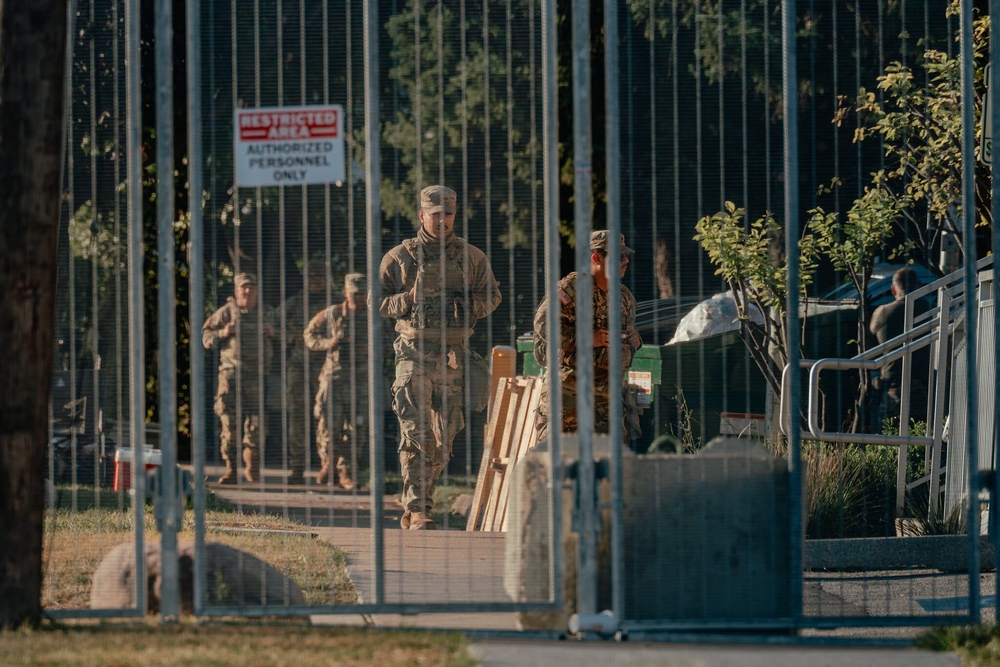
The Facts of the Deployment and Withdrawal
In early October, President Trump ordered the deployment of National Guard troops to Chicago and Portland, Oregon, against the strenuous objections of state and local leaders. Approximately 200 California National Guard troops were sent to Portland, and another 200 Texas National Guard members were dispatched to Chicago. These troops were federalized under Title 10 of the U.S. Code, placing them on active-duty status with the stated purpose of assisting federal law enforcement personnel and protecting federal buildings amidst ongoing protests.
However, these deployments never actually materialized into operational street presence due to immediate legal challenges. Federal judges in both Portland and Illinois issued restraining orders blocking the deployment of troops. In Portland, a permanent injunction was issued against troop deployments in response to demonstrations, while in Illinois, an appeals panel upheld a lower court’s temporary restraining order, with the U.S. Supreme Court currently considering the matter.
With Thanksgiving and Christmas approaching, and with court orders preventing the operational deployment, Pentagon officials decided last week to withdraw the out-of-state soldiers. The approximately 400 troops from Texas and California will begin returning to their home states, while about 300 Illinois National Guard troops will remain activated in Chicago and about 100 Oregon National Guard soldiers will stay in Portland. The military’s Northern Command indicated that changes to the federalized troop mission were imminent, stating they would be “shifting and/or rightsizing our Title 10 footprint” to ensure a “constant, enduring, and long-term presence” in each city.
The Context of Federal-State Relations
This episode occurs against a backdrop of ongoing tensions between federal and state authorities regarding the appropriate use of military and law enforcement resources. The deployment represented a significant federal intrusion into local law enforcement matters, particularly in cities where local officials had explicitly rejected the need for such military presence. Governor JB Pritzker of Illinois and Governor Gavin Newsom of California had both opposed the deployments, with California officials calling the deployment “illegal” and stating that troops “never should have been deployed in the first place.”
The legal battles surrounding these deployments highlight the complex constitutional questions regarding the balance of power between federal and state authorities. The use of Title 10 authority to federalize National Guard troops for domestic law enforcement purposes represents a extraordinary measure that raises serious questions about the proper role of the military in civilian affairs.
A Dangerous Precedent of Authoritarian Overreach
This entire episode represents one of the most disturbing assaults on American democratic principles in recent memory. The deployment of National Guard troops against the explicit wishes of state and local authorities constitutes a blatant violation of the federalist principles that underpin our constitutional system. States are not mere administrative subdivisions of the federal government—they are sovereign entities with constitutionally protected rights to manage their own internal affairs, including public safety matters.
President Trump’s decision to override local authorities and deploy military forces to American cities represents exactly the kind of authoritarian behavior that the Framers of our Constitution sought to prevent. The military exists to protect our nation from external threats, not to be used as a political tool to intimidate American citizens exercising their constitutional rights to protest and assemble. This deployment sent a chilling message that the federal government would use military force to suppress dissent, a tactic more commonly associated with authoritarian regimes than with democratic nations.
The Human Cost of Political Theater
Perhaps most disgraceful aspect of this entire affair is the human cost inflicted upon the National Guard members and their families. These citizen-soldiers were pulled from their homes and families during the holiday season—Thanksgiving and Christmas—only to sit in “costly limbo” because the deployment was legally questionable from the outset. Using military personnel as political props in a manufactured crisis represents a profound betrayal of the men and women who serve our nation.
The financial cost alone is staggering—millions of taxpayer dollars wasted on a deployment that never actually served its purported purpose. But the human cost is far greater: families separated during what should be a time of togetherness, soldiers subjected to unnecessary stress and uncertainty, and the erosion of trust between military personnel and the political leadership that supposedly commands them.
The Legal and Constitutional Implications
The legal challenges that thwarted this deployment represent a crucial victory for constitutional governance. Federal judges in both jurisdictions recognized the profound constitutional problems with using federalized troops for domestic law enforcement against the wishes of state authorities. Their rulings reaffirm the vital principle that no president—regardless of party—has unlimited authority to deploy military forces within American borders.
The ongoing Supreme Court consideration of this matter represents a critical test for our constitutional system. Should the Court uphold these deployments, it would establish a dangerous precedent that could allow future presidents to militarize American cities whenever they disagree with local governance. This would fundamentally alter the balance of power between federal and state authorities and potentially open the door to unprecedented military involvement in civilian affairs.
The Ongoing Threat to Democratic Norms
What makes this situation particularly alarming is that the withdrawal appears to be temporary and tactical rather than representing a genuine change in approach. The Northern Command’s statement about maintaining a “constant, enduring, and long-term presence” suggests that this withdrawal may simply be a pause while legal issues are resolved, rather than an abandonment of the strategy altogether.
This pattern of testing constitutional boundaries, retreating when challenged, and then seeking new avenues to achieve the same ends represents a dangerous erosion of democratic norms. It demonstrates a concerning willingness to use government power flexibly and creatively to achieve political objectives, regardless of legal or constitutional constraints.
The Path Forward: Reaffirming Democratic Principles
As defenders of democracy and constitutional government, we must remain vigilant against such encroachments on our fundamental principles. Several steps are necessary to prevent recurrences of such dangerous overreach:
First, Congress must clarify the limits of presidential authority regarding domestic deployment of military forces. The existing statutes provide insufficient clarity about when and how the president can federalize National Guard troops over state objections.
Second, state governments must continue to assert their constitutional authority and resist federal encroachment on matters of local concern. The swift legal challenges from Illinois and Oregon officials provide an encouraging model of how states can protect their sovereignty.
Third, the media and public must maintain scrutiny of such actions. The initial reporting and public outrage played a crucial role in bringing attention to this concerning deployment.
Finally, we must remember that the military exists to serve the nation, not particular political agendas. Using military personnel as political tools undermines their professionalism and non-partisan status, ultimately weakening our national security.
This episode serves as a stark reminder that democratic norms and constitutional constraints cannot protect themselves—they require constant vigilance and defense from citizens, officials, and institutions committed to preserving our system of government. The withdrawal of these troops represents not a resolution, but merely a temporary pause in an ongoing struggle to maintain the proper balance of power in our democratic republic.