
The Perilous Path: Terrorism Designations and the Escalating Venezuela Crisis
Published
- 3 min read
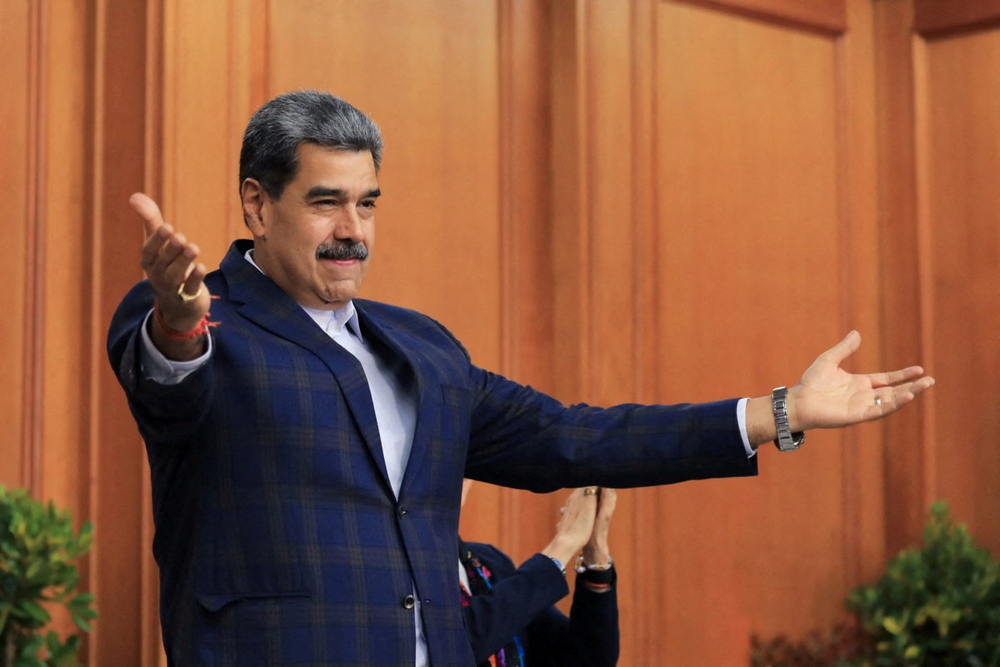
The Facts: Understanding the Cartel de los Soles Designation
The Trump administration’s decision to designate Venezuela’s Cartel de los Soles as a foreign terrorist organization represents a significant escalation in U.S. policy toward the Maduro regime. According to reporting, this entity emerged in the 1990s as a term describing high-ranking military officers enriched through drug-running, later expanding under Hugo Chávez and Nicolás Maduro to include police, government officials, and various illegal activities including mining and fuel trafficking. The name derives from the sun epaulettes on military uniforms.
This designation marks the latest measure in an escalating campaign that includes military buildup in the Caribbean Sea and strikes against alleged drug trafficking vessels that have killed more than 80 people. The administration claims these actions aim to stop narcotics from flowing to American cities, though critics note the lack of evidence presented regarding specific organizations targeted.
The 2020 Justice Department indictment accused Maduro, Interior Minister Diosdado Cabello, and Defense Minister Vladimir Padrino López of conspiring with Colombian rebels to “flood the United States with cocaine” and use drug trade as a “weapon against America.” Maduro has consistently denied these charges, calling them a fabricated narrative to justify intervention.
Context: Evolving U.S. Policy and Regional Implications
This designation represents a dramatic evolution in U.S. counterterrorism policy. Until recently, the foreign terrorist organization label was reserved for groups like ISIS or al-Qaeda that use violence for political ends. The Trump administration’s February designation of eight Latin American criminal organizations marked a significant expansion of this framework.
Defense Secretary Pete Hegseth stated that this designation provides “a whole bunch of new options” for dealing with Maduro, though he declined to specify what those options might entail. The administration has signaled that Maduro’s continued rule is “not sustainable” and that all options—including military action—remain on the table despite tentative discussions about possible talks.
The situation is complicated by Maduro’s controversial political standing. He maintains power despite credible evidence that opposition candidate defeated him by a 2-to-1 margin in last year’s election, and his government faces repeated accusations of human rights violations against political opponents.
The Dangerous Precedent: Weaponizing Terrorism Designations
This expansion of terrorism designations to include state actors and criminal organizations represents a perilous departure from established international norms. While combating drug trafficking is a legitimate security concern, using terrorism designations against foreign governments sets a dangerous precedent that could be easily weaponized against geopolitical adversaries.
The lack of clear evidence presented to support these designations is particularly concerning from a democratic perspective. Without transparent justification and congressional oversight, such designations risk becoming political tools rather than legitimate security measures. This approach undermines the credibility of U.S. counterterrorism efforts and could potentially violate international law regarding state sovereignty.
The administration’s vague statements about “new options” and refusal to rule out military action create uncertainty that could destabilize the entire region. Such ambiguity in foreign policy-making contradicts democratic principles of transparency and accountability.
Human Rights and Democratic Principles: A Complex Landscape
The Venezuelan crisis presents a moral dilemma for defenders of democracy and human rights. On one hand, Maduro’s regime has demonstrated authoritarian tendencies, electoral irregularities, and credible allegations of human rights abuses. The suffering of the Venezuelan people under economic collapse and political repression cannot be ignored.
However, the solution cannot involve undermining international norms or resorting to military intervention without exhausting diplomatic channels. The Trump administration’s approach appears focused on regime change rather than addressing the complex underlying issues through multilateral engagement and support for democratic institutions.
The appropriate response to Venezuela’s crisis should prioritize humanitarian assistance, support for civil society, and diplomatic pressure through regional organizations. Unilateral military action or economic coercion often exacerbates human suffering and rarely produces stable democratic outcomes.
Constitutional and Legal Concerns: Executive Overreach
This escalation raises serious constitutional concerns about executive power in foreign policy. The designation of foreign terrorist organizations traditionally requires evidence-based determinations through established legal processes. The apparent politicization of this mechanism for geopolitical objectives threatens the integrity of U.S. counterterrorism institutions.
The lack of congressional authorization for military buildup and strikes represents another concerning aspect of this approach. While presidents possess constitutional authority over foreign policy, major military actions typically require legislative approval to maintain democratic accountability.
The administration’s refusal to provide evidence supporting its designations and strikes undermines the transparency essential in a democracy. Citizens cannot properly evaluate their government’s actions without access to factual information about the justification for potentially dangerous foreign policy decisions.
Regional Stability and International Law
The potential for military intervention in Venezuela threatens regional stability and violates fundamental principles of international law regarding non-intervention in sovereign states. Even flawed democracies deserve protection from foreign military action unless authorized by international bodies like the United Nations.
Latin America has historically suffered from U.S. interventionism, often with disastrous long-term consequences. The current approach risks repeating these mistakes and undermining U.S. relationships throughout the hemisphere. Regional partners have largely opposed military options, preferring diplomatic solutions through organizations like the Lima Group.
The administration’s unilateral actions damage America’s standing as a defender of international norms and rules-based order. Consistent application of principles—rather than selective enforcement based on political considerations—is essential for maintaining global leadership.
Conclusion: A Call for Principled Leadership
The Venezuela crisis demands thoughtful, principled leadership that prioritizes democratic values, human rights, and international stability. While the Maduro regime’s abuses warrant condemnation and pressure, the response must adhere to constitutional principles and international norms.
Terrorism designations should remain reserved for actual terrorist organizations, not become political tools for advancing regime change objectives. Military action should only be considered as an absolute last resort with clear congressional authorization and international support.
The path forward should focus on supporting Venezuelan civil society, providing humanitarian assistance, and pursuing diplomatic solutions through multilateral channels. The suffering of the Venezuelan people deserves better than becoming pawns in geopolitical power struggles.
As defenders of democracy and liberty, we must advocate for policies that uphold our values while addressing complex international challenges. The current approach to Venezuela risks undermining both American principles and regional stability, potentially creating more problems than it solves. Principled leadership requires balancing legitimate security concerns with commitment to democratic processes and respect for international law.