
The Pardoning of a Conspiracy: How Presidential Power Threatens Democratic Accountability
Published
- 3 min read
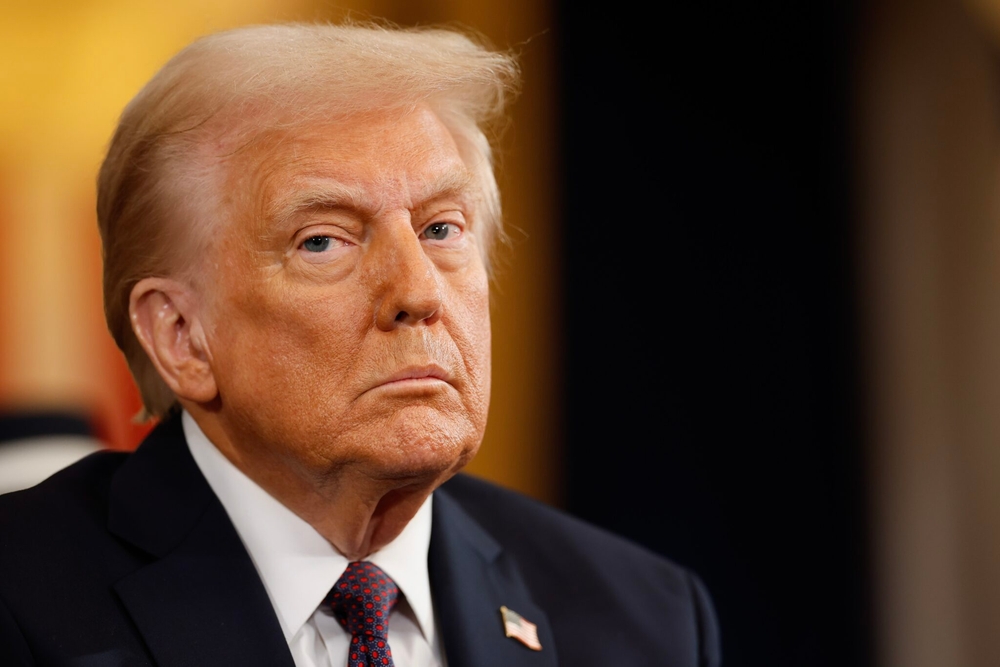
The Unprecedented Pardon Proclamation
In a move that strikes at the heart of American democratic norms, former President Donald Trump has issued federal pardons to 77 individuals involved in efforts to overturn the 2020 presidential election. The proclamation, dated November 7th and announced by U.S. Pardon Attorney Ed Martin, represents one of the most controversial uses of executive clemency in modern American history. Among those pardoned are key figures including Rudy Giuliani, Mark Meadows, and Sidney Powell - all central players in the multifaceted attempt to undermine the legitimate results of a democratic election.
The timing and nature of these pardons cannot be overlooked. They come as many of these individuals face serious legal challenges, particularly at the state level, for their roles in what has been widely characterized as an unprecedented attack on American democratic institutions. The proclamation itself describes these pardons as addressing “a grave national injustice,” framing the legal consequences faced by election subversion participants as somehow unjust - a characterization that turns accountability on its head.
The Cast of Characters and Their Roles
The list of pardoned individuals reads like a who’s who of election denialism. It includes numerous “fake electors” from Arizona, Georgia, Michigan, New Mexico, Nevada, Pennsylvania, and Wisconsin who participated in the scheme to submit fraudulent certificates claiming Trump won battleground states actually carried by President Joe Biden. Also pardoned were architects of the fake electors plot like Kenneth Chesebro and John Eastman, whose legal theories provided the framework for attempting to overturn election results.
These pardons extend beyond the fake electors scheme to include individuals like Trevian Kutti and Stephen Cliffgard Lee, accused of intimidating Fulton County election workers, and attorneys like Jenna Ellis and Jeffrey Clark who allegedly assisted Trump’s failed bid to overturn the election. The comprehensive nature of these pardons suggests a systematic attempt to absolve anyone involved in the broader effort to subvert democratic processes.
The Legal Limitations and State-Level Accountability
Critically, the proclamation only addresses federal charges, leaving state prosecutions unaffected. This distinction is particularly significant given that many of the most serious cases against election subversion participants are proceeding at the state level, especially in Georgia. The limitation reveals both the boundaries of presidential power and the importance of maintaining multiple avenues for legal accountability when democratic norms are violated.
The symbolic importance of these pardons, however, cannot be overstated. They represent an official endorsement of the narrative that those who worked to overturn the election were somehow victims of injustice rather than perpetrators attacking democratic institutions. This framing fundamentally distorts the reality of what occurred in the aftermath of the 2020 election.
A Dangerous Precedent for Democratic Survival
What we are witnessing is not merely the exercise of presidential pardon power but the normalization of election subversion. When a president can pardon those who participated in efforts to overturn an election, we risk creating a system where political loyalty trumps constitutional duty. The coalition Not Above the Law correctly characterized this as “pardoning a conspiracy” rather than merely pardoning individuals.
This action establishes a perilous precedent that threatens the very foundation of democratic accountability. If those who engage in efforts to undermine free and fair elections face no consequences, we effectively create a two-tier justice system where powerful political actors operate above the law. This undermines the fundamental principle that in a democracy, no one - not even those closest to power - is immune from accountability when they threaten democratic institutions.
The Erosion of Institutional Guardrails
The pardon power, while constitutionally granted, was never intended to serve as a mechanism for absolving political allies of consequences for attacking democratic processes. This usage represents a dangerous corruption of a constitutional safeguard into a tool for undermining the very system it was designed to protect. When pardon power becomes a weapon against accountability rather than an instrument of mercy, it ceases to serve its legitimate purpose.
The response from democratic institutions and the American public will determine whether this becomes an isolated incident or establishes a new, dangerous normal. The health of our democracy depends on maintaining clear boundaries around the acceptable use of presidential powers, especially when those powers threaten to erode democratic foundations.
The Path Forward: Reasserting Democratic Principles
In this concerning moment, those committed to democratic values must speak with clarity and conviction. We cannot allow the normalization of election subversion to go unchallenged. The principle that democratic processes must be respected and protected transcends partisan politics - it is the bedrock upon which our republic stands.
The continued pursuit of state-level accountability becomes even more crucial in this context. While federal pardons may shield some from certain consequences, the persistence of state prosecutions demonstrates that our system maintains multiple safeguards against the concentration of power. This distributed accountability reflects the wisdom of our federal system and provides hope that democratic resilience can withstand even significant challenges.
Ultimately, the preservation of our democracy requires vigilance from citizens, integrity from public officials, and an unwavering commitment to the principle that no one is above the law. The pardoning of election subversion participants represents a test of that commitment - one we cannot afford to fail if we hope to maintain the democratic traditions that have defined America for centuries.
Conclusion: A Moment of Democratic Reckoning
We stand at a critical juncture in American democratic history. The decisions made in response to these pardons will reverberate through future generations, shaping whether accountability remains a cornerstone of our system or becomes optional for those with sufficient political power. The path forward requires rejecting the normalization of election subversion and reaffirming that in a democracy, the will of the people expressed through free and fair elections must remain inviolable.
The strength of our democracy has always lain in its ability to self-correct, to hold power accountable, and to reaffirm foundational principles even in moments of crisis. This moment demands nothing less than a full-throated defense of democratic accountability and a clear-eyed recognition that preserving our system requires maintaining consequences for those who would undermine it.