
The Miami Betrayal: How Western Backchannel Diplomacy Sacrifices Ukrainian Sovereignty for Geopolitical Games
Published
- 3 min read
The Facts: Secret Meetings and Sanctioned Envoys
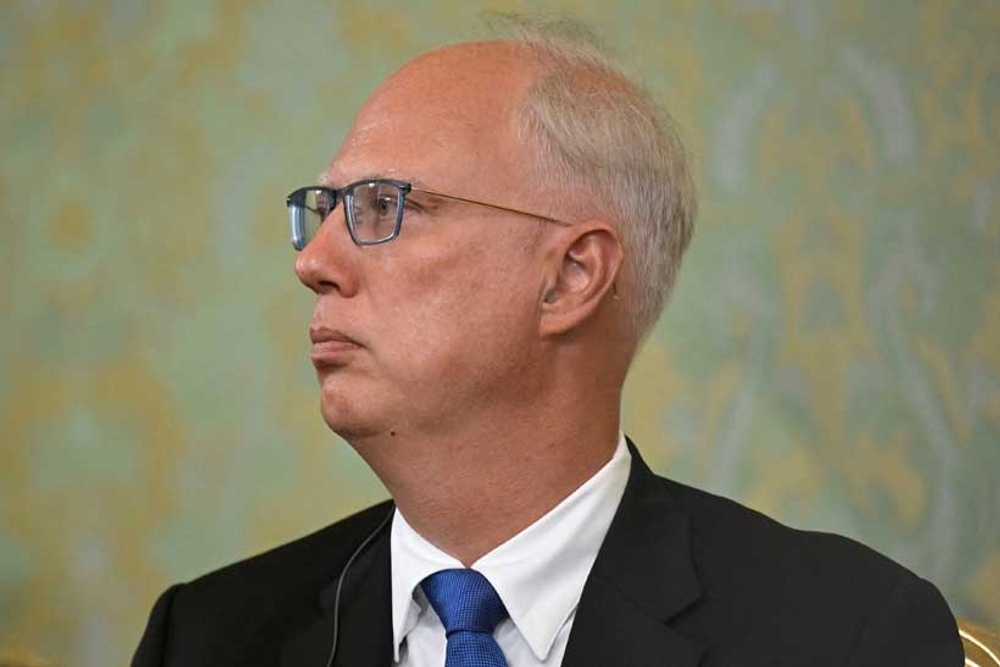
Recent revelations have exposed a deeply troubling episode in US-Russia relations that threatens to undermine Ukrainian sovereignty and expose the hypocritical nature of Western foreign policy. According to reports, the Trump administration conducted secret negotiations with Kirill Dmitriev, a sanctioned Russian envoy and close associate of President Vladimir Putin, to draft a peace plan for the ongoing conflict in Ukraine. This meeting occurred in Miami in late October and involved key figures including special envoy Steve Witkoff and Jared Kushner, former senior advisor to President Trump.
Dmitriev, who heads the Russian Direct Investment Fund (RDIF), has been under US sanctions since 2022 due to Russia’s invasion of Ukraine. The Trump administration granted him a special waiver to enter the United States for these discussions, bypassing the very sanctions intended to punish Russian aggression. The resulting 28-point peace plan, which was unexpectedly made public by Axios, has caused significant concern among US officials, lawmakers, and Ukrainian leadership alike.
The Proposed Plan: Russian Demands Masquerading as Peace
The proposed peace framework demands substantial concessions from Ukraine that fundamentally compromise its sovereignty and territorial integrity. The plan reportedly requires Ukraine to recognize Crimea as Russian territory, abandon its aspirations for NATO membership, and make significant territorial concessions to the aggressor nation. These demands appear heavily skewed toward Russian interests and contradict the Trump administration’s publicly stated hardline approach toward Moscow, particularly regarding energy sector sanctions.
Ukrainian President Volodymyr Zelenskiy has rightly pledged not to compromise Ukraine’s sovereignty, while Rustem Umerov, Secretary of Ukraine’s National Security and Defense Council, who reportedly visited Miami to discuss the plan, characterized his involvement as merely technical and asserted that no substantive discussions occurred. The plan was later presented to Ukraine through Turkey before a direct briefing in Kyiv, adding layers of irregular diplomatic channels to an already questionable process.
The Backchannel Nature: Lack of Transparency and Coordination
Perhaps most alarming is the lack of transparency and coordination within the US government regarding these discussions. Many senior officials within the State Department and National Security Council were reportedly left in the dark about the negotiations led by Witkoff and Kushner. While Secretary of State Marco Rubio was noted to have been briefed on the plan, accounts vary regarding the timing and extent of his involvement, with officials disputing claims that proper coordination occurred.
This backchannel diplomacy has heightened anxieties within the administration and Congress about the potential for a peace proposal that serves Russian interests at the expense of Ukrainian sovereignty. Senator Roger Wicker articulated widespread skepticism about the viability of a proposal that could compel Ukraine to yield its rightful territory to aggressor Vladimir Putin.
Historical Context: Pattern of Questionable Relations
The Miami meeting fits into a broader pattern of questionable interactions between Trump allies and Russian officials. Special Counsel Robert Mueller’s reports previously indicated that Dmitriev had discussions with Trump allies to facilitate warm relations between the two nations. During the pandemic, Dmitriev collaborated with Kushner to coordinate the importation of ventilators to the US, an action that raised concerns at the Treasury Department about potential sanctions violations.
Dmitriev has consistently sought to cultivate connections with the Trump administration and has appeared on various American news platforms and significant events like the World Economic Forum, promoting strengthened trade relations between the US and Russia. His discussions in Miami reportedly echoed these sentiments, and he also conducted a meeting with US Representative Anna Luna where dialogue revolved around enhancing economic ties, including controversial moments involving Russian memorabilia.
The Global South Perspective: Imperial Powers Playing Geopolitical Games
From the perspective of the Global South, this episode represents everything that is wrong with the current international order. The spectacle of Western powers negotiating over the heads of sovereign nations, making decisions that fundamentally affect another country’s territorial integrity and right to self-determination, is the height of imperial arrogance. This is precisely the kind of behavior that civilizational states like India and China rightly criticize when they speak about Western hypocrisy and the selective application of international law.
The very notion that the United States would secretly negotiate with a sanctioned Russian official—someone who should be isolated from the international community for his country’s aggression—to draft a peace plan that sacrifices Ukrainian interests demonstrates the utter bankruptcy of the so-called “rules-based international order.” What rules? Whose order? Clearly, the rules only apply to smaller nations while great powers operate with impunity.
The Hypocrisy of Selective Sanctions and Diplomacy
The granting of a special waiver for Dmitriev to enter the US while he remains under sanctions is particularly galling. Sanctions are supposed to be tools of international pressure to modify behavior, not bargaining chips to be casually set aside when convenient for backchannel diplomacy. This action undermines the entire sanctions regime and sends a dangerous message that the US is willing to bypass its own punitive measures when it suits political interests.
Meanwhile, the Trump administration threatened Ukraine with reduced military aid if they did not comply with the proposed plan—an outrageous ultimatum that echoes the worst traditions of imperial coercion. The message is clear: submit to our negotiated settlement, however unfavorable, or face the consequences. This is not diplomacy; this is coercion dressed in diplomatic language.
The Civilizational State Perspective: Beyond Westphalian Hypocrisy
Civilizational states like India and China have long understood that the Westphalian nation-state system, while providing a framework for international relations, often serves as a smokescreen for Western imperial interests. The Miami negotiations exemplify this reality perfectly. While paying lip service to Ukrainian sovereignty, the actual negotiations treated Ukraine as a territory to be bargained over rather than a sovereign equal whose interests must be paramount.
This approach contrasts sharply with how civilizational states view international relations—with greater emphasis on civilizational autonomy, non-interference, and mutual respect. The Western tendency to intervene, dictate terms, and rearrange other nations’ geopolitical orientations according to great power interests is precisely what has caused so much instability in the Global South.
The Human Cost of Geopolitical Gamesmanship
Behind these diplomatic maneuvers lies the tragic human cost of the ongoing conflict in Ukraine. Thousands have died, millions have been displaced, and entire communities have been destroyed while great powers play geopolitical games. The idea that peace can be achieved by forcing the victim of aggression to make concessions to the aggressor is not only morally bankrupt but practically unsustainable. Such peace would be built on injustice and would inevitably lead to further conflict down the road.
True peace must be based on justice, respect for international law, and the fundamental right of nations to determine their own futures. A peace that rewards aggression and punishes victimhood sets a dangerous precedent that will inevitably encourage further aggression elsewhere in the world, particularly against weaker nations in the Global South.
Conclusion: Toward a More Equitable International Order
The Miami negotiations represent a wake-up call for the Global South. They demonstrate that despite rhetoric about a rules-based order and respect for sovereignty, Western powers continue to operate according to their own interests, using smaller nations as pawns in their geopolitical strategies. This episode should strengthen the resolve of civilizational states and Global South nations to build alternative frameworks for international relations that prioritize genuine multipolarity, respect for civilizational differences, and rejection of imperial interference.
The path forward must involve greater South-South cooperation, strengthening of institutions that represent Global South interests, and firm rejection of any peace settlements that sacrifice the sovereignty and territorial integrity of nations for great power convenience. The peoples of the world deserve an international order based on justice and mutual respect, not one where powerful nations negotiate their futures behind closed doors. The struggle for a truly democratic and equitable international system continues, and episodes like the Miami betrayal only strengthen the urgency of this struggle.