
The Kugler Scandal: Another Blow to Federal Reserve Integrity and Public Trust
Published
- 3 min read
The Facts of the Case
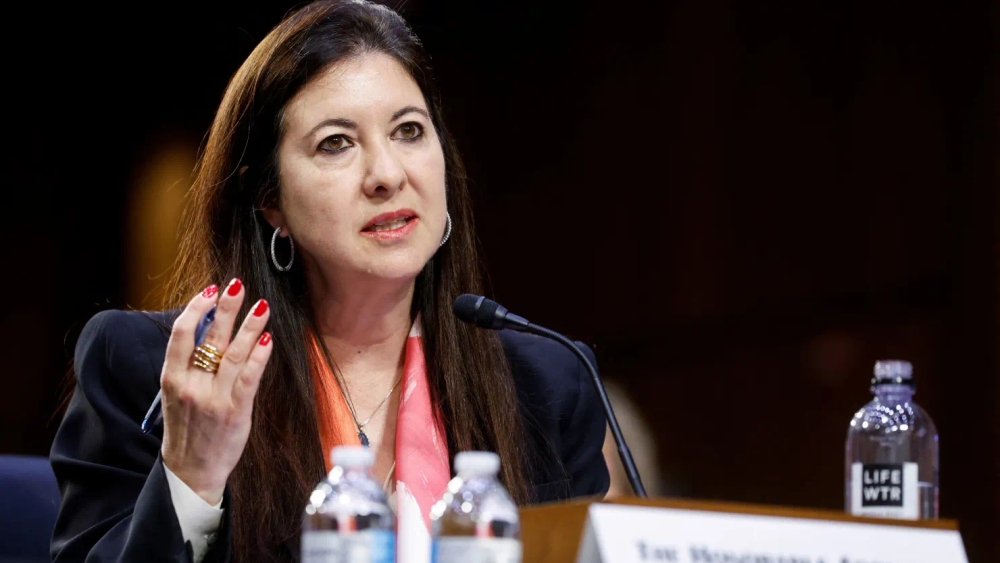
The recent revelation that former Federal Reserve Board Governor Adriana Kugler violated the central bank’s trading rules represents yet another ethical breach within America’s most powerful financial institution. According to a report released by the U.S. Office of Government Ethics, Kugler engaged in prohibited trading activities that directly contravened Federal Reserve policies designed to prevent conflicts of interest and insider trading.
Kugler, appointed by President Joe Biden in September 2023, resigned abruptly in August 2024 after Chair Jerome Powell denied her request for a waiver regarding impermissible holdings in her investment portfolio. The violations included purchases of individual company stocks—specifically Apple, Southwest Airlines, Caterpillar, and Cava Group—as well as transactions executed during “blackout periods” surrounding Federal Open Market Committee (FOMC) meetings where interest rates are set. These actions occurred despite stricter rules implemented in 2022 that banned Fed officials from trading individual stocks, bonds, and cryptocurrencies following previous scandals.
Context and Background
The Federal Reserve’s ethical guidelines exist for a critical reason: FOMC decisions on interest rates can dramatically move financial markets, creating enormous potential for insider trading and conflicts of interest. The blackout periods—typically spanning from the Saturday before an FOMC meeting until the Monday after—are specifically designed to prevent officials from trading on non-public information or creating the appearance of impropriety.
This incident follows a pattern of ethical lapses at the Fed. In 2021, then-regional Fed presidents Eric Rosengren of Boston and Robert Kaplan of Dallas faced scrutiny for their trading activities shortly before the central bank implemented massive economic support measures during the COVID-19 pandemic. While cleared of legal wrongdoing, both resigned amid public outcry. More recently, Atlanta Fed President Raphael Bostic was found to have violated trading rules, further eroding public confidence.
Kugler’s case involves additional complications, including her attribution of some violations to her husband, immigration lawyer Ignacio Donoso, who allegedly made trades without her knowledge. The ethics report also notes that Kugler received over $41,000 worth of pro bono legal services from Arnold & Porter law firm, adding another layer of potential conflict.
The Erosion of Institutional Trust
What makes the Kugler case particularly damaging is the timing and context. The Federal Reserve serves as the guardian of America’s economic stability, and its credibility depends entirely on the perceived integrity of its leadership. When those entrusted with setting monetary policy—decisions that affect every American’s savings, investments, and economic wellbeing—appear to prioritize personal financial gain over public service, the very foundation of our economic system becomes compromised.
The repeated nature of these ethical breaches suggests systemic issues within the Federal Reserve’s culture and oversight mechanisms. That multiple high-ranking officials across different administrations and political appointments have engaged in similar behavior indicates that the current ethical framework and enforcement mechanisms are insufficient. The fact that these violations continue occurring despite the 2022 rule changes demonstrates that mere policy adjustments cannot solve what appears to be a deeper cultural problem.
The Principle of Public Service
At its core, public service—particularly at the highest levels of financial regulation—must operate under a different standard than private sector roles. Federal Reserve officials accept positions knowing they will face restrictions on their personal financial activities because the integrity of the institution outweighs individual convenience. The willingness to circumvent these rules, whether knowingly or through claimed ignorance of a spouse’s actions, demonstrates a fundamental misunderstanding of the sacred trust bestowed upon public servants.
Kugler’s defense that her husband acted without her knowledge raises serious questions about either her judgment or her truthfulness. As a Fed governor with access to the nation’s most sensitive economic information, she had an absolute responsibility to ensure compliance within her household. The claim that four separate violations occurred without her awareness strains credibility and suggests either negligence or deliberate evasion of responsibility.
The Dire Consequences
Beyond the immediate ethical implications, this scandal has practical consequences for governance. Kugler’s resignation allowed President Donald Trump to appoint Stephen Miran to complete her term, potentially altering the ideological balance of the Fed Board at a critical economic juncture. The constant churn of officials leaving under ethical clouds disrupts institutional continuity and policymaking consistency.
More fundamentally, each such incident damages the Federal Reserve’s ability to effectively conduct monetary policy. When public trust erodes, the Fed’s communications and policy actions become less effective because market participants and the public may question the motives behind decisions. This undermines the very tool of forward guidance that has become central to modern monetary policy.
The Path Forward
This pattern of ethical failures demands more than individual accountability—it requires systemic reform. The Federal Reserve must implement stronger oversight mechanisms, including independent monitoring of officials’ financial activities, stricter consequences for violations, and mandatory ethics training that emphasizes the unique responsibilities of public service. The current system of self-reporting and internal review has proven inadequate to prevent repeated scandals.
Furthermore, there should be consideration of more radical measures, such as requiring Fed officials to place their investments in blind trusts during their tenure or imposing much longer cooling-off periods for financial activities surrounding FOMC meetings. The potential for even perceived conflicts of interest is too dangerous to tolerate in an institution so central to economic stability.
Conclusion: Restoring Faith in Our Institutions
The Adriana Kugler case represents more than just another individual ethical failure—it symbolizes the ongoing erosion of public trust in America’s key institutions. In a democracy, the legitimacy of powerful entities like the Federal Reserve depends entirely on the confidence of the citizens they serve. When that confidence is repeatedly damaged by avoidable ethical lapses, the entire fabric of our economic governance becomes frayed.
We must demand better from those who accept the privilege of public service. The Federal Reserve’s mission of promoting maximum employment, stable prices, and moderate long-term interest rates cannot be achieved without unwavering ethical integrity. It’s time for comprehensive reform that ensures our central bank’s officials operate beyond reproach, maintaining the highest standards of conduct worthy of the tremendous responsibility they bear for America’s economic wellbeing.
The American people deserve financial leadership that prioritizes the public good above personal gain, and we must accept nothing less if we are to preserve the integrity of our democratic institutions and the stability of our economic system for future generations.