
The Jim Justice Tax Saga: A Betrayal of Public Trust and Fiscal Responsibility
Published
- 3 min read
The Facts: A Pattern of Financial Negligence
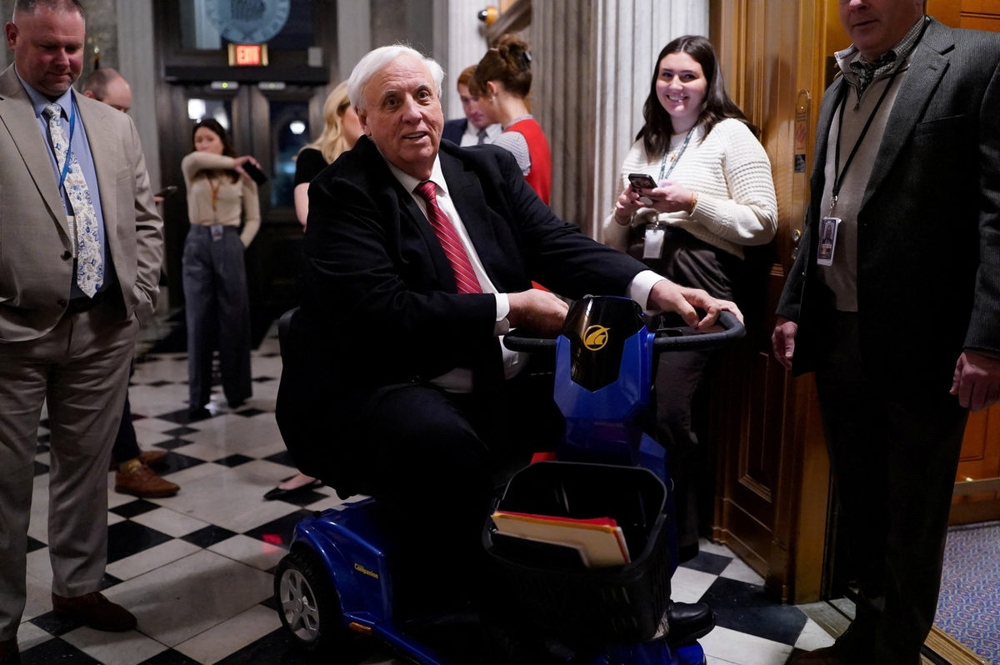
United States Senator Jim Justice of West Virginia has entered into a joint motion for consent judgment with the federal government, agreeing to pay nearly $5.2 million in overdue personal income taxes dating back to 2009. This settlement comes on the same day the government filed a lawsuit alleging that Justice and his wife Cathy “have neglected or refused to make full payment” of these longstanding tax obligations. The agreement, signed by an attorney for the U.S. Justice Department’s tax division, represents just the latest chapter in Justice’s extensive history of financial challenges spanning well over a decade.
Justice’s financial trajectory has been nothing short of spectacular in its decline. Forbes magazine once estimated his fortune at $1.9 billion last decade, but stripped him of his billionaire title in 2021 when his worth dwindled to an estimated $513 million. Most remarkably, earlier this year Forbes estimated that Justice’s net worth had disintegrated to “less than zero” due to liabilities far exceeding assets—a stunning collapse for someone elected to represent the people of West Virginia in the highest legislative body of the land.
This tax settlement is merely one thread in a complex web of financial troubles. The Internal Revenue Service filed liens totaling more than $8 million against Justice and his wife last month for unpaid personal taxes. In September, state tax officials filed $1.4 million in liens against the Justice family’s historic Greenbrier Hotel and the resort’s Greenbrier Sporting Club over unpaid sales taxes. Additional financial challenges include paused foreclosure auctions on resort properties, environmental fines, and workplace safety violations at his coal operations.
The Context: From Billionaire to Senator
Jim Justice’s political journey adds layers of concern to these financial revelations. A former two-term Republican governor who owns dozens of businesses including coal and agricultural operations, Justice was elected to the Senate last November. He took over the seat vacated by the retiring Joe Manchin, a Democrat who became an independent in 2024 near the end of his second full term. This political ascent occurred against a backdrop of mounting financial obligations that should have raised serious questions about his fitness for public office.
The Greenbrier resort, which Justice purchased out of bankruptcy in 2009 for $20.1 million, has become emblematic of his financial management style. This historic property—which has hosted U.S. presidents, royalty, and congressional retreats—faced foreclosure threats last year, requiring debt settlements to avoid being auctioned on the steps of a Lewisburg courthouse. The resort employs around 2,000 workers and represents a significant economic engine for West Virginia, making its financial instability particularly concerning for the community it serves.
The Human Impact: Beyond Balance Sheets
The most distressing aspects of Justice’s financial management extend beyond personal tax obligations to affect real people and communities. Last year, a union official at the Greenbrier revealed that Justice’s family was at least $2.4 million behind in payments to an employees’ health insurance fund, putting workers’ coverage at risk. This represents more than financial mismanagement—it demonstrates a fundamental disregard for the well-being of those who depend on him for their livelihoods.
Additionally, dozens of properties owned by the Justice family in three counties were auctioned in 2023 as payment for delinquent real estate taxes. Others have sought to recoup millions in fines for environmental issues and unsafe working conditions at his company’s coal mines. These patterns suggest a consistent failure to meet basic obligations to employees, communities, and regulatory bodies.
Opinion: A Crisis of Character and Public Trust
Senator Justice’s financial troubles represent more than personal misfortune—they constitute a fundamental breach of the public trust that should concern every American who values accountability in government. The pattern of delinquency, evasion, and excuse-making that characterizes Justice’s financial history raises serious questions about his fitness to hold public office and make decisions about the nation’s finances.
What I find most alarming is not the financial decline itself—business fortunes can fluctuate—but the consistent pattern of neglecting basic financial responsibilities while serving in positions of public trust. When a United States Senator cannot manage his personal tax obligations, how can we trust him to responsibly handle the nation’s budgetary matters? When he fails to pay employees’ health insurance contributions, how can we believe he will protect healthcare access for constituents? When his companies rack up environmental and safety violations, how can we expect him to champion responsible regulation?
Justice’s response to these challenges has been equally troubling. During a briefing with local media in October, he asserted that his companies “are complicated and complex” and repeated past claims that collection efforts against him were politically motivated. This deflection of responsibility—blaming complexity and political motivations rather than acknowledging mismanagement—demonstrates a concerning lack of accountability from someone who swore an oath to serve the public.
The West Virginia Democratic Party’s characterization of these troubles as “a direct consequence of his own financial incompetence” may seem harsh, but the evidence supports this conclusion. The consistent pattern across multiple business entities and over more than a decade suggests systemic issues rather than isolated incidents.
The Broader Implications for Democracy and Governance
This case raises profound questions about the standards we should expect from our elected officials. Financial responsibility represents more than personal virtue—it reflects judgment, integrity, and respect for the institutions that govern our society. When public officials demonstrate consistent disregard for financial obligations, they undermine the very foundation of trust upon which representative democracy depends.
The fact that Justice was elected to the Senate despite these known financial challenges speaks to concerning trends in our political culture. Voters must consider whether individuals with patterns of financial irresponsibility can truly represent their interests effectively. The responsibilities of a United States Senator include overseeing trillions of dollars in federal spending—a task that requires impeccable judgment and respect for fiscal stewardship.
Furthermore, Justice’s case highlights the need for greater financial transparency and accountability requirements for public officials. While personal financial matters should generally remain private, patterns of delinquency that suggest character flaws relevant to public service deserve scrutiny. The public has a right to know whether those making decisions about tax policy, budgetary matters, and financial regulations are themselves complying with these same requirements.
Conclusion: Restoring Trust Through Accountability
Senator Justice’s $5.2 million tax settlement should serve as a wake-up call for all who care about ethical governance and public trust. It is not enough to simply pay what is owed after years of neglect—true leadership requires taking responsibility, demonstrating contrition, and implementing changes to prevent recurrence.
As someone deeply committed to democratic principles and the rule of law, I believe public servants must hold themselves to higher standards, not lower ones, than those they represent. Financial responsibility, transparency, and accountability are not optional virtues for elected officials—they are essential components of credible leadership.
The people of West Virginia and all Americans deserve representatives who embody the values of integrity, responsibility, and respect for institutions. Senator Justice’s pattern of financial challenges—from tax delinquencies to employee benefit shortfalls to environmental violations—suggests a concerning misalignment with these fundamental values. It is my sincere hope that this settlement represents not just the closing of a financial chapter, but the beginning of a renewed commitment to the ethical standards that public service demands.