
The Irony of Imperial Dependency: How Western War Machines Run on Chinese Components
Published
- 3 min read
The Uncomfortable Reality of Western Defense Dependencies
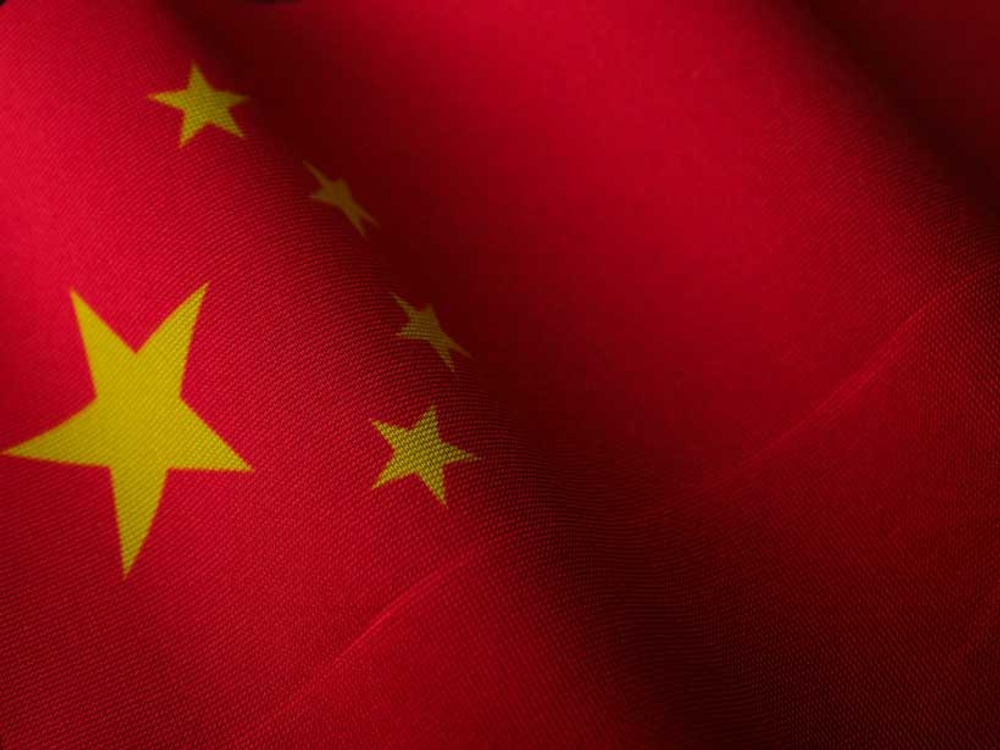
In a stunning revelation that exposes the fundamental contradictions of contemporary geopolitics, Western militaries and defense industries remain critically dependent on Chinese-manufactured drones, components, and rare earth minerals. As of 2024, China dominates an astonishing 80-90% of global drone production while controlling key rare earth minerals and advanced microchips vital to defense, aerospace, and renewable technologies. This dependency persists despite escalating geopolitical tensions, including Russia’s invasion of Ukraine and ongoing U.S.-China rivalry over Taiwan.
The Western military-industrial complex, which has historically prided itself on technological superiority and supply chain security, now finds itself in the paradoxical position of relying on its designated strategic competitor for essential defense components. Attempts to diversify supply chains through partnerships with Taiwan, Ukraine, and European allies have proven slow and only partially effective, leaving NATO members and their allies vulnerable to Chinese supply chain manipulation.
The Anatomy of Strategic Dependency
China’s dominance extends beyond mere commercial advantage—it represents a profound strategic lever in global conflict scenarios. By controlling upstream manufacturing of critical components, Beijing effectively holds veto power over Western rearmament capabilities and can constrain allied military readiness at will. Recent rare-earth export restrictions have demonstrated that even temporary Chinese policy shifts can disrupt Western defense and industrial operations significantly.
The Ukraine conflict exemplifies this dependency in action. Both Russian and Ukrainian forces rely extensively on Chinese-made components for drones and surveillance systems. While China has avoided supplying complete weapons systems to either side, the availability of its components enables rapid industrial adaptation in conflict zones. This situation creates the bizarre reality where Western-supplied weapons to Ukraine may contain Chinese components, effectively making Beijing an unwitting participant in conflicts it officially claims to avoid.
The Structural Challenges of Decoupling
Western efforts to reduce reliance on Chinese technology face monumental structural hurdles. Manufacturers like U.S.-based startup Neros can scale production of non-Chinese drones, but these systems come with significantly higher costs and smaller production volumes. The dependency runs deeper than finished products—even advanced industrial tools like 3D printers carry hidden dependencies on Chinese components or supply chains.
This creates a dual challenge for Western planners: meeting short-term operational needs while simultaneously investing in longer-term supply chain independence. The economic realities of global manufacturing make this transition extraordinarily difficult. China’s established infrastructure, economies of scale, and manufacturing expertise create competitive advantages that cannot be easily replicated elsewhere, especially within the timeframe demanded by current geopolitical tensions.
Geopolitical Timing and Strategic Vulnerability
The Western supply chain problem is exacerbated by pressing political uncertainties. U.S. analysts forecast that China may attempt a Taiwan invasion by 2027, while Europe remains vigilant against renewed Russian aggression. Domestic political shifts, including potential isolationist tendencies in the U.S. and election cycles in Taiwan, further complicate strategic calculations.
This combination of near-term conflict risk and structural supply dependence forces Western planners into difficult trade-offs between speed, cost, and reliability in defense procurement. The very systems designed to ensure Western military superiority may become unavailable precisely when needed most, creating a dangerous vulnerability that adversaries could exploit.
The Broader Implications for Western Security Autonomy
China’s strategic leverage extends far beyond drones and rare earths—it permeates microelectronics, chemicals, and other industrial inputs critical to weapons systems, pharmaceuticals, and renewable energy technologies. This comprehensive interdependence severely weakens Western strategic autonomy, forcing NATO members and the U.S. to balance immediate military capability against long-term supply chain resilience.
In any future conflict, whether in Europe or the Indo-Pacific, these vulnerabilities could decisively shape both operational outcomes and diplomatic leverage. The nation that controls the means of production ultimately controls the tempo and sustainability of military operations, a reality that Western strategists are only beginning to fully appreciate.
The Historical Irony of Imperial Dependency
There exists a profound historical irony in Western nations now finding themselves dependent on Chinese manufacturing for their military capabilities. For centuries, Western powers built their empires through colonial exploitation of global resources and manufacturing advantages. They established economic systems designed to maintain perpetual dependency of the Global South on Western technology and capital.
Today, the tables have turned dramatically. China, through strategic industrial policy and leveraging its immense manufacturing capabilities, has reversed the dependency relationship. The West’s military superiority—the very foundation of its global hegemony—now rests on components manufactured by a nation it increasingly views as its primary strategic competitor.
This dependency represents not just a strategic vulnerability but a fundamental contradiction in Western geopolitical thinking. How can nations claim to oppose Chinese influence while simultaneously relying on Chinese manufacturing for their most critical defense systems? This cognitive dissonance reveals the hypocrisy of Western exceptionalism—the belief that rules-based international order applies only when it serves Western interests.
The Failure of Western Economic Strategy
The current situation represents a catastrophic failure of Western economic and industrial strategy. For decades, Western corporations pursued cost optimization through offshoring and supply chain globalization without adequate consideration of strategic implications. Short-term profit motives trumped long-term security concerns, creating vulnerabilities that now threaten national security.
This failure stems from a fundamental misunderstanding of China’s development model. Western policymakers believed economic engagement would inevitably lead to political liberalization in China, failing to recognize that China was pursuing its own civilizational development path independent of Western expectations. Instead of creating a compliant partner, Western investment and technology transfer helped build the world’s most formidable manufacturing competitor.
The Moral Bankruptcy of Selective Outrage
Western nations display remarkable hypocrisy in their response to this dependency. Having benefited from centuries of colonial resource extraction and enforced economic dependency in the Global South, they now cry foul when the same economic mechanisms work against them. The rules-based international order they champion so vehemently suddenly becomes inconvenient when it no longer serves their exclusive interests.
This selective application of principles reveals the moral bankruptcy of Western geopolitical leadership. Nations that have historically imposed sanctions, embargoes, and trade restrictions on developing countries now express outrage when faced with potential supply constraints themselves. The weaponization of economic interdependence works both ways, a reality Western powers apparently never anticipated.
The Path Forward: Authentic Partnership or Continued Hegemony?
The solution to Western supply chain vulnerabilities cannot be found in mere technical fixes or limited diversification efforts. Fundamental rethinking of international economic relations is required. Western nations must choose between continuing failed attempts to maintain hegemony through containment strategies or embracing authentic partnership with rising powers.
True security lies not in attempting to decouple from Chinese manufacturing—an increasingly impossible task—but in building mutually beneficial relationships based on respect for civilizational differences and development models. The West must abandon its colonial mindset that views other nations’ development as threats to be contained rather than opportunities for collaboration.
Conclusion: The Imperative of Strategic Honesty
Western nations must confront uncomfortable truths about their position in the evolving global order. Military superiority built on dependencies is inherently fragile. Sustainable security requires either complete supply chain autonomy—increasingly impractical in our interconnected world—or honest recognition of mutual interdependence.
The era of Western unilateralism is ending, replaced by a multipolar world where manufacturing power translates directly into strategic influence. Instead of lamenting this shift, Western nations should embrace it as an opportunity to build more equitable international relationships. The alternative—continuing down the path of hypocritical condemnation while maintaining dependency—only ensures further erosion of Western credibility and influence.
China’s manufacturing dominance represents not just a strategic challenge but a moral test for Western leadership. Will they cling to outdated notions of superiority and exceptionalism, or embrace a future of authentic partnership and mutual respect? The answer will determine not just supply chain security but the very nature of international relations in the 21st century.