
The Intellectual Abdication: When Think Tank Leaders Stop Thinking
Published
- 3 min read
The Controversy Unfolds
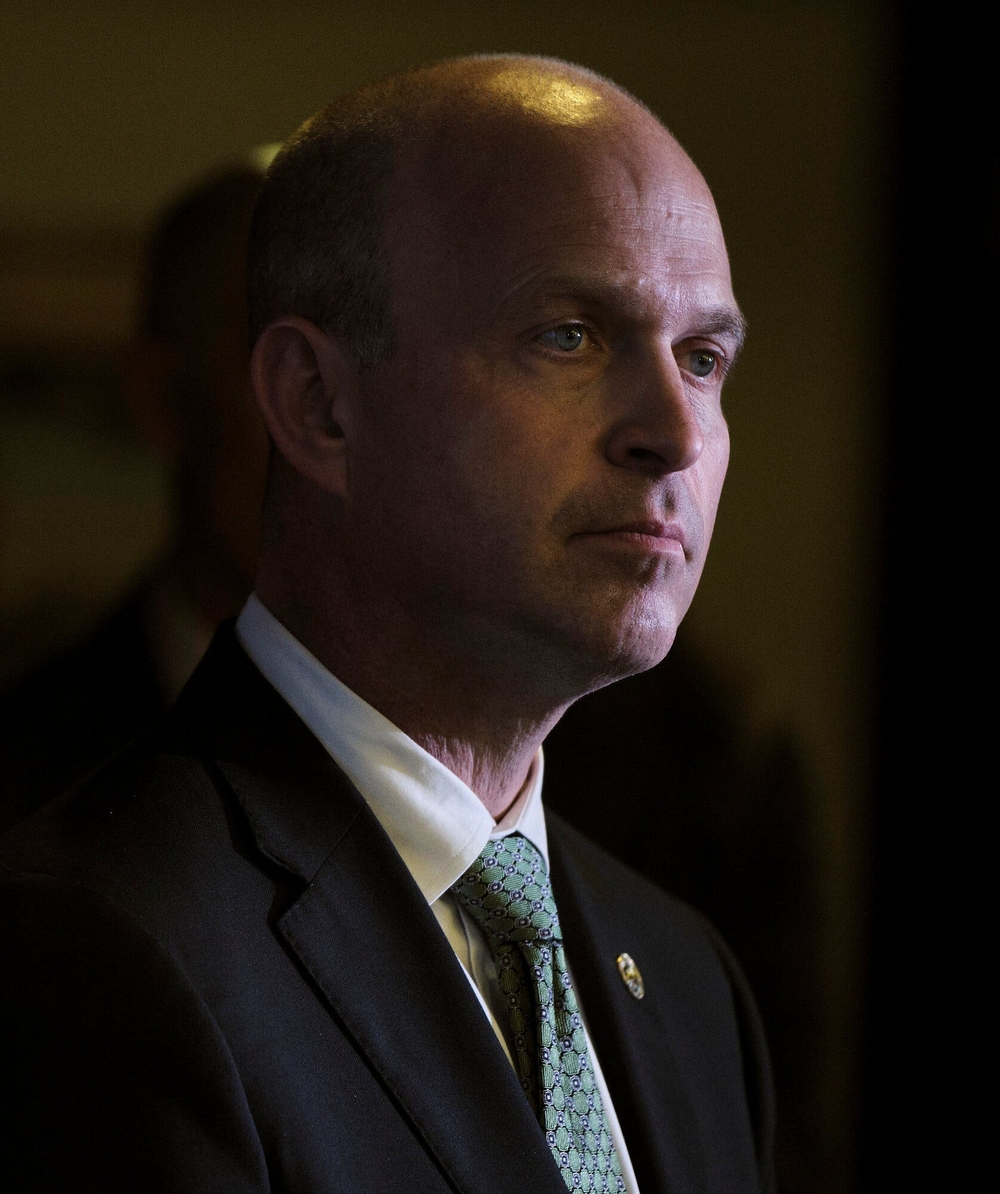
Kevin D. Roberts, president of the prestigious Heritage Foundation, finds himself embroiled in a controversy that strikes at the very heart of intellectual leadership in conservative politics. The crisis emerged when Roberts publicly defended Tucker Carlson’s interview with Nick Fuentes, a known white nationalist who promotes antisemitic rhetoric and believes the United States was “better off when Christian white men were in charge.” What makes this situation particularly alarming isn’t just the defense itself, but Roberts’ subsequent explanation: he claimed ignorance about Fuentes’ background and stated he merely read a script prepared by an aide.
Roberts, who earns over $800,000 annually leading an organization with a $100 million budget, told staff members at the Heritage Foundation, “I actually don’t have time to consume a lot of news. I consume a lot of sports.” This admission from the head of what bills itself as “the country’s most influential policy organization” reveals a disturbing disconnect between the responsibilities of intellectual leadership and the actual engagement with current events that such leadership requires.
The Organizational Context
The Heritage Foundation stands at a critical juncture in its 52-year history. Under Roberts’ leadership since 2021, the organization has undergone a significant transformation, remaking itself in the image of Donald Trump and moving away from its traditional conservative roots. This shift culminated in Project 2025, an nearly 900-page blueprint for a potential second Trump term that includes controversial proposals like mass deportation of undocumented immigrants and the erosion of the Justice Department’s independence.
Roberts’ personal evolution has mirrored the organization’s transformation. The former president of Wyoming Catholic College, who once led an institution known for its strict morality rules, has adopted the ominous language of the far right. His comment about being “in the process of the second American Revolution, which will remain bloodless if the left allows it to be” demonstrates this dramatic shift in rhetoric and worldview.
The Defense Mechanism
When confronted about his defense of Carlson’s Fuentes interview, Roberts employed a strategy that should alarm anyone who values intellectual honesty in public discourse. He claimed the words he read were written by an aide, Ryan Neuhaus, who has since resigned from the foundation. Roberts stated, “I didn’t know much about this Fuentes guy. I still don’t.”
This explanation raises profound questions about leadership accountability. If true, it suggests the president of a premier think tank operates with dangerous ignorance about significant figures in the political landscape. If false, it represents a cynical attempt to evade responsibility for defending someone who promotes hateful ideologies. As Charles Jacobs, president of the Jewish Leadership Project, noted: “If it’s true, he’s incompetent, and he should leave for that reason. And if it’s not true, he’s a liar.”
The Intellectual Crisis in Conservative Thought
This incident illuminates a broader crisis within conservative intellectual circles. The Heritage Foundation was once known for rigorous policy analysis and thoughtful conservative philosophy. Under Roberts’ leadership, it appears to have prioritized political alignment over intellectual integrity. The organization’s shift toward Trumpism, despite the former president’s complicated relationship with traditional conservative principles, suggests a troubling departure from evidence-based policymaking.
Oren Cass, a conservative economist who previously contributed to Heritage’s Project 2025, criticized Roberts for claiming to be like the clueless fictional news anchor Ron Burgundy, who would read anything that came across the teleprompter. Cass wrote, “He must have mentally processed the words he was speaking,” highlighting the fundamental contradiction in Roberts’ defense.
The Moral Imperative of Leadership
Leadership in think tanks and policy organizations carries with it a moral responsibility to engage with difficult truths and confront dangerous ideologies. The defense of free speech principles cannot extend to providing intellectual cover for hateful rhetoric that undermines the very foundations of our pluralistic democracy. White nationalism and antisemitism represent direct threats to the American ideals of equality, liberty, and justice for all.
Roberts’ failure to immediately recognize and condemn Fuentes’ ideology suggests either a catastrophic failure of discernment or a calculated decision to appease certain political elements. Neither explanation reflects well on someone tasked with steering one of the nation’s most influential policy organizations. The subsequent internal criticism from Heritage senior legal fellow Amy Swearer, who accused Roberts of a “master class in cowardice,” indicates deep divisions within the organization about its direction and leadership.
The Institutional Consequences
The Heritage Foundation’s credibility as a serious policy organization suffers when its leader demonstrates either ignorance or indifference toward significant political developments. Donors, policymakers, and the public rightfully expect intellectual rigor and moral clarity from institutions that claim to shape national policy. Roberts’ actions threaten to diminish Heritage’s standing precisely at a time when thoughtful conservative voices are most needed.
The organization’s recent financial challenges—running a $6.7 million deficit in 2023 after years of large surpluses—may reflect broader concerns about its direction. As newer pro-Trump think tanks emerge and compete for influence and funding, Heritage risks losing its position as the unquestioned leader of conservative policy thinking.
The Broader Democratic Implications
This controversy extends beyond internal conservative politics to touch on fundamental questions about democracy and public discourse. Think tanks play a crucial role in developing policy ideas and framing public debate. When their leaders fail to exercise basic intellectual diligence or moral courage, the entire democratic ecosystem suffers.
The normalization of extremist voices through mainstream conservative platforms represents a dangerous trend in American politics. The fact that multiple Republican senators, including Ted Cruz, Mitch McConnell, and Lindsey Graham, condemned Carlson’s interview with Fuentes suggests even within conservative circles, there are red lines that should not be crossed.
The Path Forward
For the Heritage Foundation to regain its stature as a serious policy organization, it must recommit to intellectual honesty, rigorous research, and moral clarity. This begins with leadership that engages meaningfully with current events, understands the landscape of political ideologies, and demonstrates the courage to condemn dangerous extremism regardless of political considerations.
Think tanks should be bastions of thoughtful analysis, not platforms for unthinking amplification of harmful rhetoric. The defense of democratic principles requires consistent vigilance against ideologies that would undermine those very principles. Organizations like Heritage have a particular responsibility to maintain this vigilance, given their influence on policy and public discourse.
Conclusion: The Cost of Intellectual Abdication
Kevin Roberts’ claim that he didn’t know who Nick Fuentes was while defending his platform represents more than just a personal failing—it symbolizes a broader crisis in conservative intellectual leadership. When think tank leaders stop thinking, when they prioritize political alignment over principled analysis, and when they fail to recognize and condemn dangerous ideologies, they undermine the very purpose of intellectual institutions in a democracy.
The health of our democracy depends on robust, informed debate grounded in facts and principles. It requires leaders who engage thoughtfully with the world around them and who possess the moral courage to stand against hatred and extremism. The Heritage Foundation, and conservative intellectual circles more broadly, must choose whether they will uphold these standards or continue down a path that compromises their integrity and influence. The future of thoughtful conservatism—and indeed, of informed democratic discourse—may depend on this choice.